Iit Delhi Teri Study Interstate Truck Emissions Night Pollution Toll Plazas
Indian Express
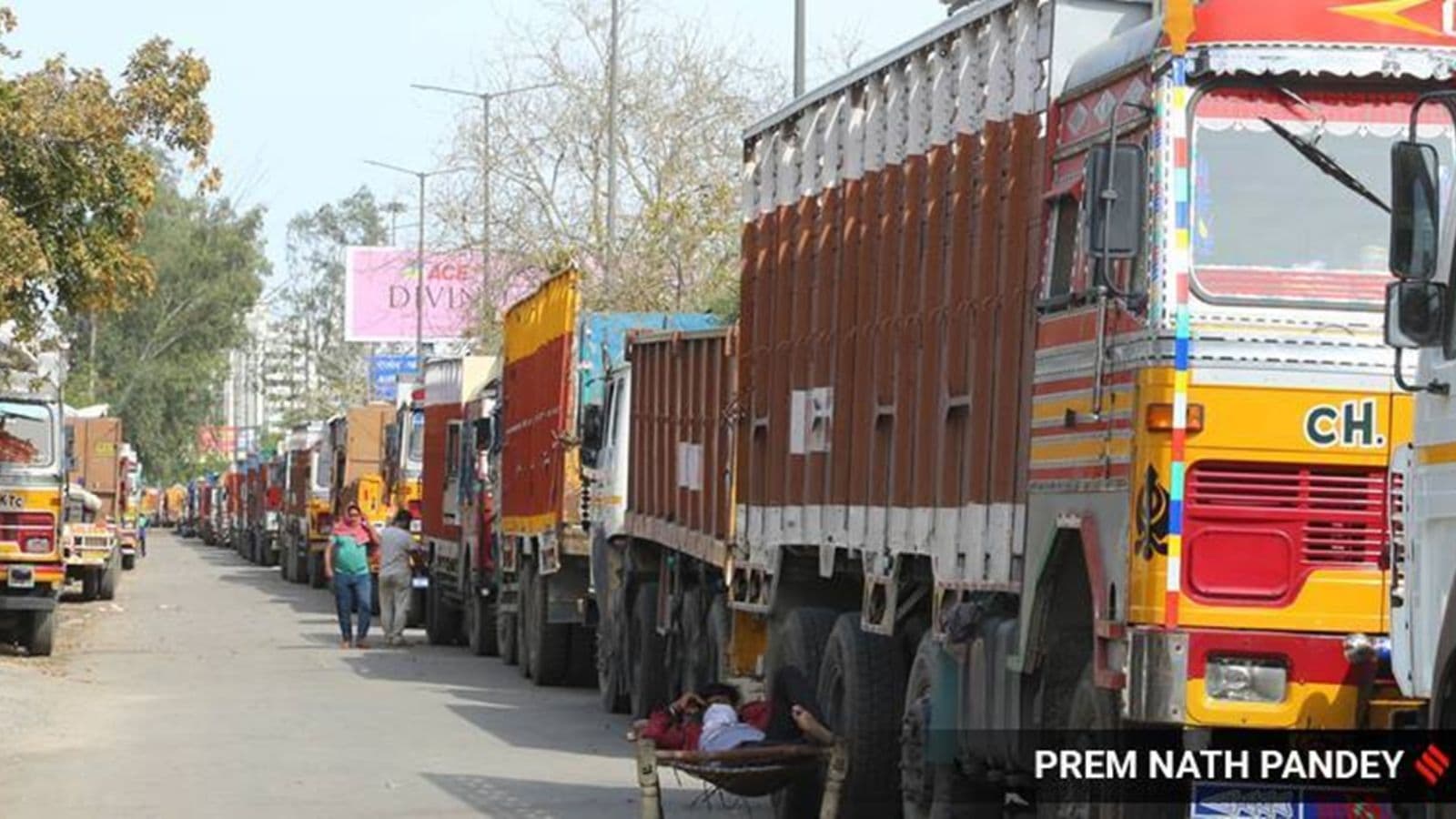
Nearly 17,000 heavy-duty trucks entering Delhi every day emit an estimated one-fourth of the total daily transport emissions, with almost half of these vehicles entering the national capital through...
Nearly 17,000 heavy-duty trucks entering Delhi every day emit an estimated one-fourth of the total daily transport emissions, with almost half of these vehicles entering the national capital through just four toll plazas.
These are the findings of a new study released on Monday, which highlights how freight movement remains a major contributor to the city’s air pollution.
The findings come as the Union Cabinet earlier in June approved a Rs 9,585-crore scheme to incentivise the replacement of older trucks and buses across Delhi-NCR with cleaner vehicles.
The report, Towards Cleaner Freight in Delhi: Assessing Interstate Truck Emissions and Mitigation Strategies, was released by the Air Pollution Action Group (A-PAG) in collaboration with IIT-Delhi and The Energy and Resources Institute (TERI).
According to the study, around 16,900 heavy-duty vehicles enter Delhi every day, generating an estimated 19 tonnes of PM (particulate matter) 2.5, 913 tonnes of carbon monoxide, and 1,095 tonnes of nitrogen oxide emissions every year.
While heavy-duty vehicles account for 23 per cent of transport-related emissions over an entire day, their contribution rises sharply to 61 per cent during nighttime and early morning hours, when freight movement is concentrated.
Researchers said this underlines the disproportionate pollution burden created by trucks despite their relatively small share of the overall vehicle fleet.
It is among the most detailed assessments of interstate truck traffic in Delhi, combining RFID toll records from 121 toll plazas, traffic counts, surveys of more than 4,700 truck drivers and real-world emissions testing using IIT Delhi’s portable Versatile Source Sampling System (VS3).
Dr Rahul Goel, Associate Professor at the Transportation Research and Injury Prevention (TRIP) Centre, IIT Delhi, noted the methodological rigour behind the findings: “This study is unique in that it combines real-world on-road emissions data with RFID toll records and large-scale driver surveys to build a bottom-up emissions inventory. It captures what trucks actually emit on Delhi’s roads, not just under test conditions.”
The study also identified a concentration of truck movement at Delhi’s borders.
Four toll plazas — Kundli, Rajokri, Badarpur and Tikri — together account for more than half of all truck entries into the city, while the top 20 toll plazas handle nearly 90 per cent of interstate truck traffic.
Researchers said this creates an opportunity to focus enforcement and emission-control measures at a limited number of strategic entry points.
Further, 76 per cent of truck entries are repeat visits, with the same vehicles entering Delhi around four times a month, suggesting that policy interventions can target a relatively stable fleet.
The report found that pre-BS-VI trucks account for a disproportionately high share of particulate emissions and estimated that restricting their entry into Delhi by 2027 could reduce PM 2.5 emissions from interstate trucks by 51 per cent.
It also recommends reducing empty return trips, creating urban freight consolidation centres, strengthening automated enforcement at toll plazas, and gradually shifting freight vehicles to electric power.
Researchers stressed that since 77 per cent of trucks entering Delhi originate from neighbouring NCR states, any long-term solution would require coordinated action across the region rather than city-level interventions alone.