Buzz Villain Cannot Turn As A Hero Again
Great Andhra
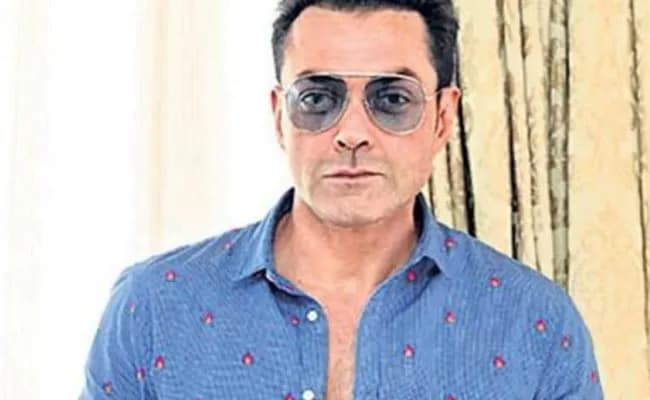
Bobby Deol s career witnessed a remarkable revival after years of staying away from the limelight. His powerful villain roles in pan Indian films earned him nationwide recognition and made him one...
Bobby Deol’s career witnessed a remarkable revival after years of staying away from the limelight.
His powerful villain roles in pan Indian films earned him nationwide recognition and made him one of the most sought after antagonists in the industry.
However, when he returned as a lead hero with Bandar, the film failed to make an impact at the box office, proving that his renewed popularity was largely as a villain rather than as a leading man.
Similarly, if Akshaye Khanna, encouraged by the success of Dhurandhar, decides to make a comeback as a lead hero, it is almost certain to backfire.
Audiences have embraced him in strong character and villain roles, not as a conventional hero.
A similar situation was seen earlier with Jagapathi Babu. After reinventing himself as a successful villain and character actor, he attempted to return as a main lead with films like FCUK.
The experiment failed badly, and the actor eventually realized that audiences had embraced him in a different image. Since then, he has continued focusing on villain and supporting roles, where he remains in strong demand.
These examples offer an important lesson for many middle aged heroes who reinvent themselves as villains.
Audience acceptance in a negative or character role does not automatically translate into support for a comeback as a hero.
Recognizing where the audience wants to see them can help actors make wiser career decisions and sustain their success for a longer period.