How Long Can You Survive Under Rubble Earthquake Survival Science Venezuela
Indian Express
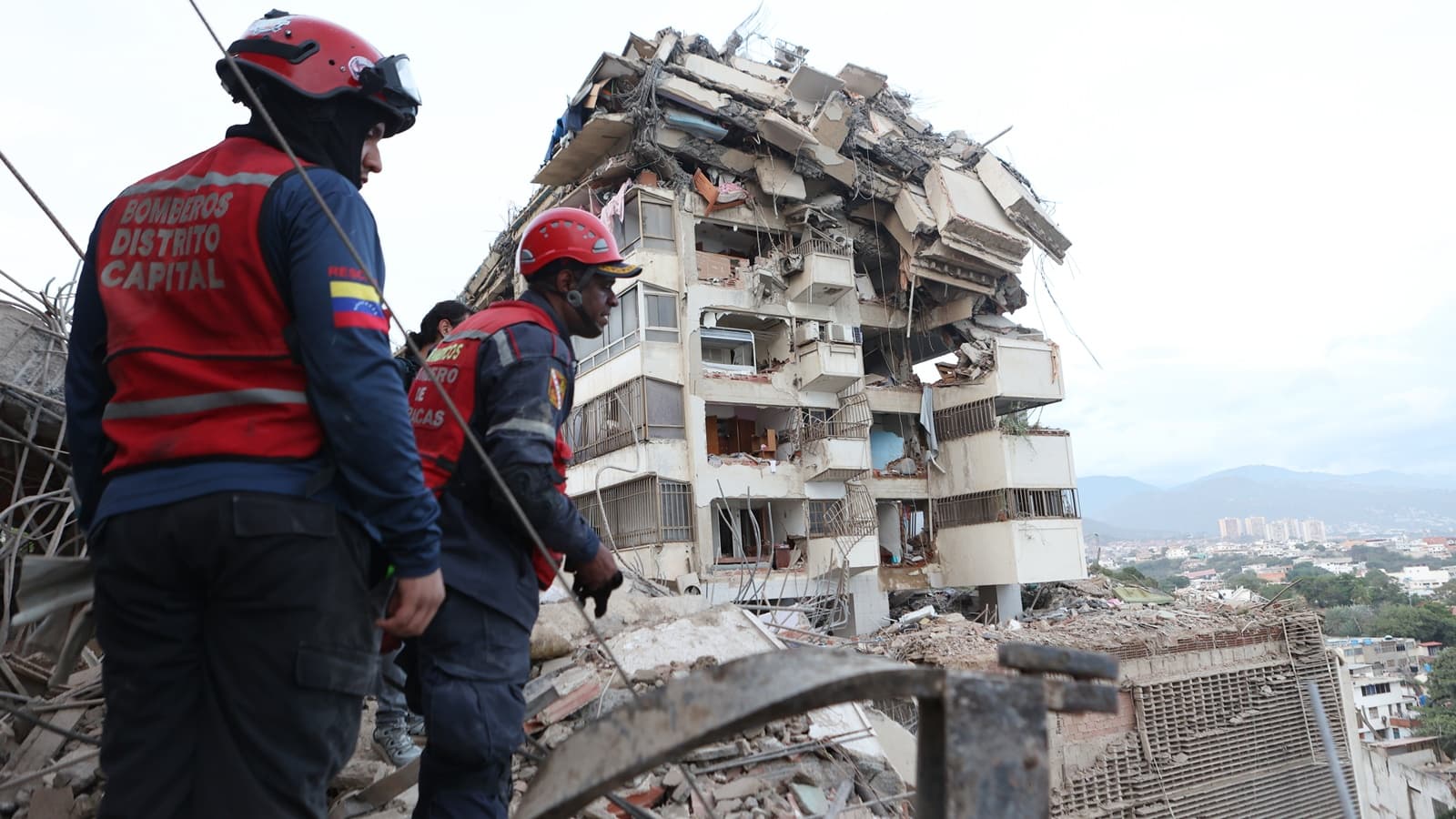
For those trapped in rubble after an earthquake, survival depends on many factors, including weather and access to water and air.
For those trapped in rubble after an earthquake, survival depends on many factors, including weather and access to water and air.
If their injuries aren’t too severe, victims can survive for a week or more, assuming the weather isn’t too hot or cold, experts say.
In Venezuela, rescue teams have been racing against the clock to pull survivors from the rubble after two powerful earthquakes shook the northern state of La Guaira last Wednesday. More than 770 buildings were totally or partially collapsed from the earthquakes, and aftershocks continued to shake the region.
Most rescues happen in the 24 hours after a disaster. The chances of survival drop with each day after that, experts say. Most victims are badly injured or buried by falling stones or other debris.
Trapped victims are more likely to survive if they are in a debris-free pocket that prevents major injury while they await rescue, like under a sturdy desk, said geophysicist Victor Tsai from Brown University. Experts call this a survivable void space.
If fire, smoke or hazardous chemicals were released as a result of the building collapse, they may decrease a person’s survival odds, said emergency response expert Dr. Joseph Barbera, an associate professor at George Washington University.
Beyond that, having air to breathe and water to drink are crucial as the days go on.
“You could survive a while without food,” Barbera said. “You could survive less without water.”
Temperatures where someone is trapped may affect survival, and temperatures outside the rubble can affect rescue missions.
More than 2,600 rescue workers from around the world arrived in Venezuela with trained search dogs and machinery, the government said. And rescue efforts in La Guaira, the hardest-hit area, appeared significantly more organized on Sunday, after residents expressed frustration and anger about the level of response in the days before.
It can be important for survivors to receive vital medical care before they are removed from the rubble, Barbera said. If not, the buildup of toxins from crushed muscles could make them go into shock after they are rescued.
The best practices for survival during an earthquake depend on where you are in the world. Building codes in regions with active fault lines are often designed to withstand earthquakes, but that doesn’t hold true everywhere.
In many countries, including the United States, the best practices are to drop, seek cover and hang on unless you are close to a building exit. Seek shelter under a heavy table or near sturdy furniture that may yield a survivable pocket if the roof collapses. Cover your face with cloth or a mask to protect from dust and debris.
If you are trapped in the rubble after and earthquake, save your energy and don’t overexert. Ration food and water, listen for rescue calls and search for something near you to make noise. If you have a phone with you, conserve its battery and try for help in short spurts each day.