Disaster Iran Go Through A Gamut Of Emotions And Now Wait For Other Results
Indian Express
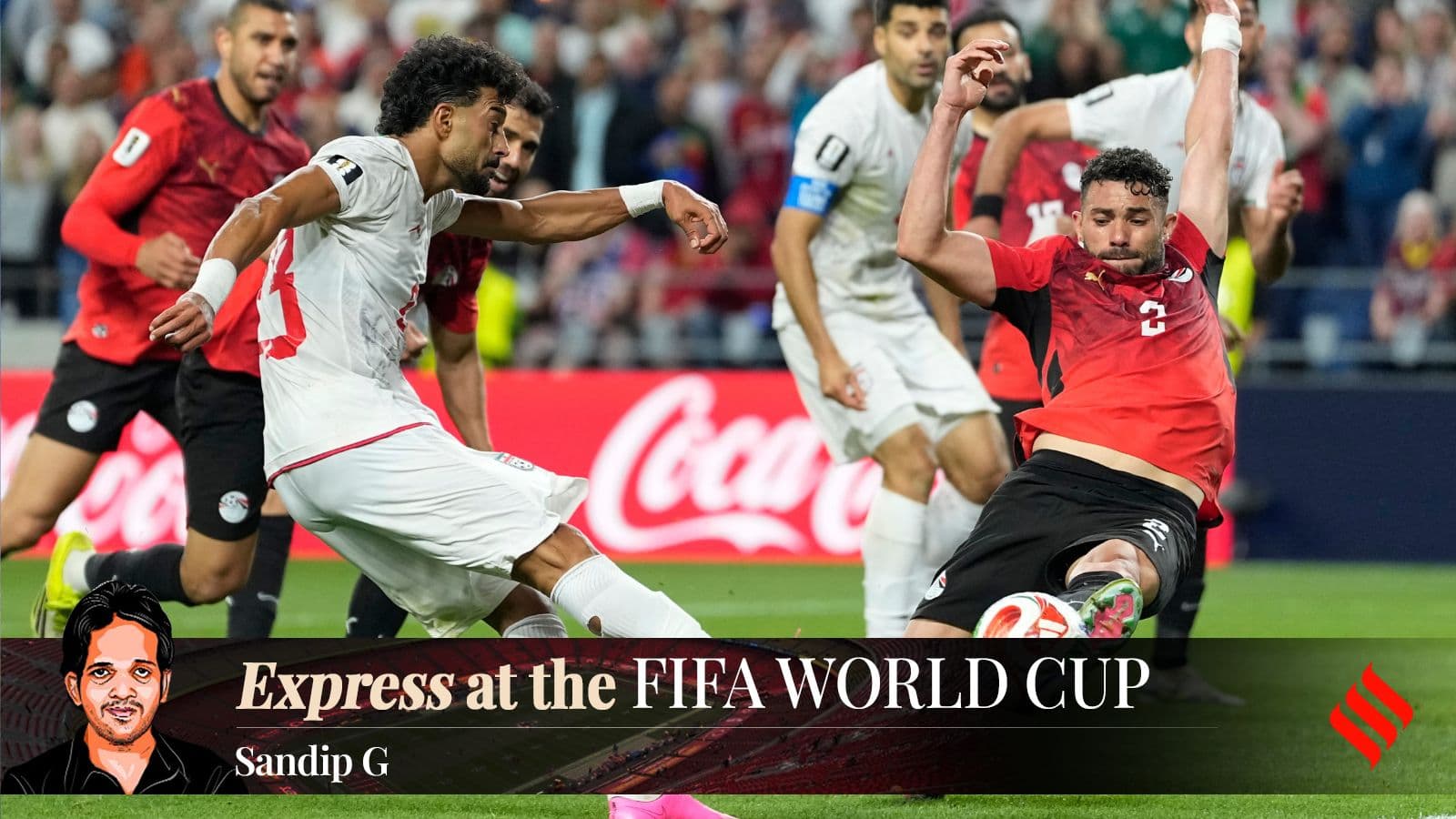
Stifling his tears, Iran captain Mehedi Taremi, lamented, more than complained, to the reporters after the dramatic 1-1 draw against Egypt that left their knockout hopes clinging by the slenderest...
Stifling his tears, Iran captain Mehedi Taremi, lamented, more than complained, to the reporters after the dramatic 1-1 draw against Egypt that left their knockout hopes clinging by the slenderest of threads.
“It’s a disaster World Cup.” He repeated the word “disaster” like it’s a chant, his eyes turning red with tears. A substandard error-strewn match in Seattle required late on-field drama to lift itself from being an academic footnote.
Taremi’s tired face wore the vestiges of the heartbreak that had unfolded just moments ago, of the oscillating extremes of emotions they had experienced. Perhaps, the tepid penalty – a horrendous attempt in the game’s context – he missed in the first half was boiling in his mind too.
In a matter of seconds, in the discretion of machine-made dimensions on a pitch-side monitor, Iranian euphoria turned to misery. The moment that was to redeem them consigned them to an endless night of regret, and an agonising wait for the results of other games.
With three points from as many games, Iran can qualify as one of the eight best third-placed teams. But their fate is no longer in their hands. They have to sit, watch and pray throughout the day. They are used to waiting — until the start of June, they were uncertain whether they would even compete in the tournament, the war with co-hosts US raging on.
Iran are sixth on the table and have a reasonable chance to progress. But a conjunction of unfavourable results could slam the doors shut on them. If Algeria and Austria draw their match in Group J, sending both through, DR Congo beat Uzbekistan and Croatia muster at least a point against Ghana, Iran’s “disastrous” World Cup would end even more disastrously.
It was the moment Iran had waited all night. Soon, it became a moment they would curse. Amid all the feverish celebrations, the referee was by the pitchside monitor, upon VAR’s summons, discerning a potential office. It turned out that Khalilzadeh’s right palm and right shoe were in an off-side position. The referee’s words: “After the review, a decision has been made…” might have felt like a dagger through Iranian hearts.
But then a sudden streak of energy seized them. They attacked Egypt as though their life depended on the game. Egypt frantically defended, protecting the result that would ensure their qualification. Twice they blocked goal-bound attempts. One of them, by Egypt’s centre-back Yasser Ibrahim off Ramin Rezaeian’s shot, was straight from the book of catenaccio. Seconds later, Saeid Ezatolahi clattered the crossbar with a venomous header.
But it was not meant to be for Iran. The whistle that broke them soon blew. Manager Amir Ghalenoei kicked a water bottle as far as he could in rage and plunged into his chair in the dugout, his face frozen.
In moments of pain, the sufferings of the immediate past tumble out. Taremi vented out his anger at the “unfair treatment” meted out to them from the start. He spared neither FIFA nor the US government.
“FIFA, they have to solve every problem here but unfortunately they could not solve it since the beginning. Mr Infantino came to our changing room after the first game against New Zealand and said, ‘It’s just the beginning…’ but the group stage finishes tomorrow.”
“We don’t have our recovery or logistic people here — they don’t have a visa. How is it possible we always have to travel from Tijuana? We always complain about these things but no one helps, no one,” he lashed out at the US’s stringent visa policy.
“If they want us to be out, then OK; let’s get out. But that’s not fair. We have to fight against everything here.”
The heartbreak of Seattle would only entrench the feeling.