Arjun Kapoor Anshula Kapoor Wedding Sibling Emotions
Indian Express
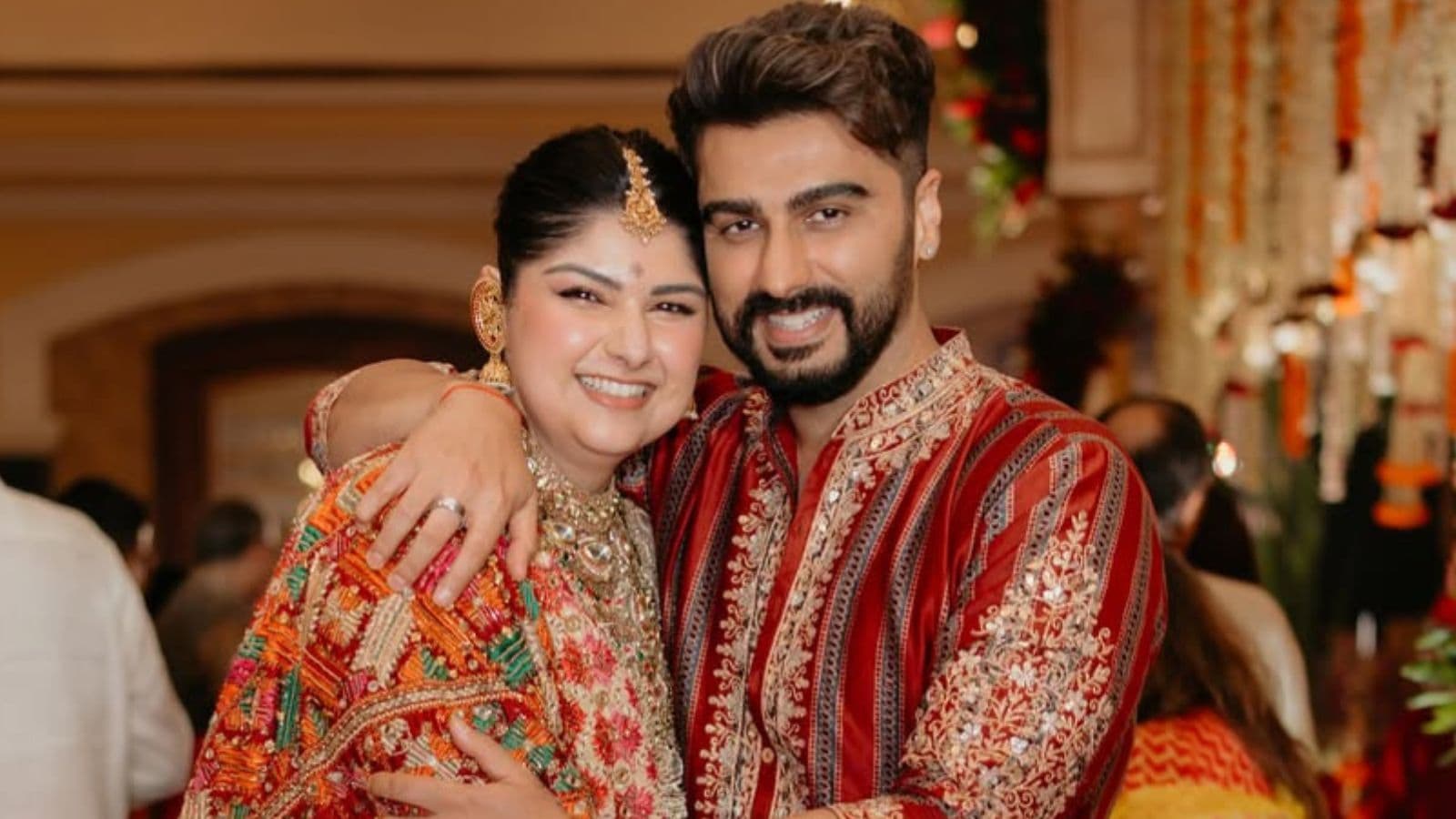
Sibling relationships often evolve through different stages of life, but few milestones bring as many emotions to the surface as a wedding.
From excitement and pride to nostalgia and even a sense of change, watching a brother or sister begin a new chapter can stir a complex mix of feelings. A recent example of this came from Arjun Kapoor, who shared his excitement as his sister Anshula Kapoor’s wedding celebrations got underway.
Posting glimpses from her engagement ceremony, he wrote, “Ansh, we’re just getting started !!! One evening in & I already know this time is going to fly by way too fast, so excited & happy for the both of you !!! I can’t wait for the celebrations to begin (sic).” His message captured a sentiment many siblings can relate to. The joy of seeing a loved one happy, coupled with the awareness that life is about to change.
DISCLAIMER: This article is based on information from the public domain and/or the experts we spoke to. Always consult your health practitioner before starting any routine.
The celebrations recently began with a Mata Ki Chowki hosted by Rohan Thakkar’s family. Sharing moments from the ceremony, Anshula reflected on the significance of the occasion, writing, “21/6/26 ❤️ Love. Family. Blessings. Our wedding celebrations began with a Mata Ki Chowki lovingly hosted by Rohan’s family. Wearing a Phulkari dupatta felt especially meaningful for the occasion. Deeply rooted in Punjabi tradition, it is a celebration of heritage, craftsmanship, and blessings passed down through generations of women. For Punjabi brides, Phulkari has long been part of life’s most meaningful milestones, and I couldn’t think of a more fitting way to begin this new chapter with Ro.” Meanwhile, family members have also been sharing glimpses from the pre-wedding festivities.
While celebrations, rituals, and traditions bring families together, weddings can also mark an emotional transition for siblings. To understand this, we spoke with an expert.
Psychologist Rasshi Gurnani tells indianexpress.com, “A sibling’s wedding is one of those life events that reminds us that relationships evolve, even when the love remains the same. It’s completely normal to feel excited and proud while also experiencing sadness or nostalgia. Psychologically, this is known as ambiguous loss — you’re not losing your sibling, but you’re letting go of a version of life that has always felt familiar.”
Childhood routines, family traditions, and everyday moments naturally begin to shift. At the same time, watching a sibling reach an important milestone often brings immense joy and pride. “These seemingly opposite emotions can coexist because our emotional brain is capable of holding both celebration and grief at the same time. Feeling emotional during a sibling’s wedding isn’t a sign of struggling with change — it’s a reflection of how meaningful that relationship has been,” states Gurnani.
Gurnani mentions, “Siblings who communicate openly, make intentional time for one another, and avoid comparing ‘how things used to be’ are more likely to maintain a strong emotional connection. From a psychological perspective, healthy relationships are built on flexibility and secure attachment. The bond doesn’t depend on how often you meet—it depends on whether both people continue to make each other feel emotionally valued, respected, and included despite changing circumstances.”
Weddings are emotional transitions for the entire family because they mark the beginning of a new chapter, not just for the couple but for everyone connected to them. It’s natural for siblings to wonder where they fit as family roles evolve. Rather than resisting the change, Gurnani says, it’s healthier to acknowledge those feelings without judging them.
“Permitting yourself to feel nostalgic while also embracing new traditions can make the transition easier. Staying connected, creating new rituals as siblings, and recognising that families grow rather than replace existing bonds can help reduce feelings of being left behind. Psychologically, people cope with transitions best when they view them as an expansion of relationships rather than an ending. The sibling bond doesn’t disappear after marriage—it simply finds a new rhythm,” concludes Gurnani.