China Scientists Ceramic Lithium Battery Heatproof
Indian Express
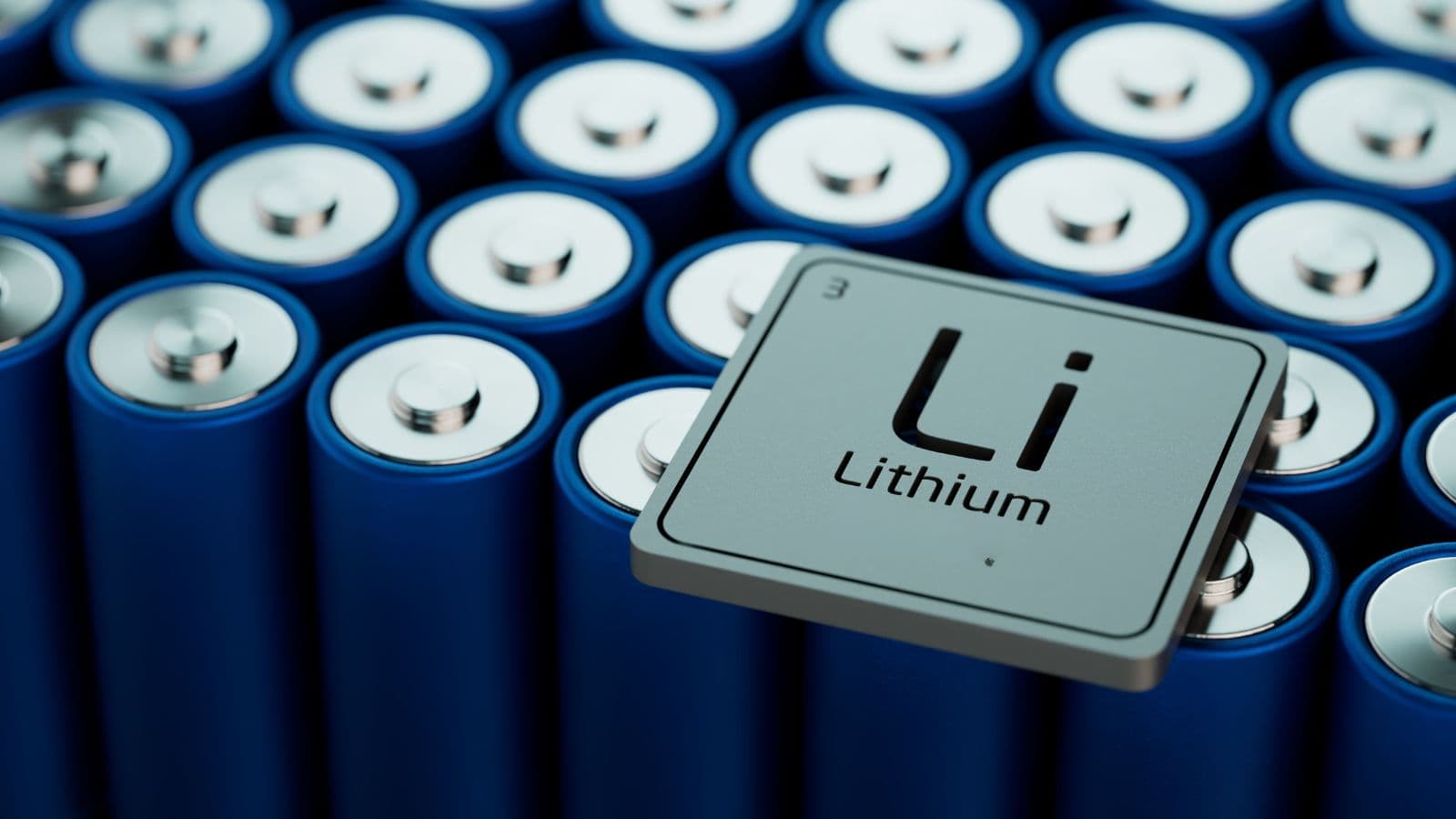
Chinese scientists have developed a ceramic-based lithium battery that is heatproof and could eventually offer a safe power source for smart sensors, aerospace gadgets, and other military...
Chinese scientists have developed a ceramic-based lithium battery that is heatproof and could eventually offer a safe power source for smart sensors, aerospace gadgets, and other military applications.
The Tsinghua University-led team, which invented it, said the all-ceramic battery’s compact size, high energy density, and safety features could make it well-suited for integration into next-generation technologies.
Unlike traditional lithium-ion batteries, which are flammable, this rechargeable solid-state battery operates stably at temperatures up to 150 degrees Celsius. It can withstand brief thermal shocks up to 300 degrees Celsius without a drop in performance.
According to their peer-reviewed journal paper published on June 5, the batteries delivered stable, pressure-free operation across a wide temperature range, offering a safe and mechanically strong power solution for miniaturised electronics.
Traditional lithium-ion batteries use a liquid electrolyte as the medium through which lithium ions move to generate an electrical current. They have become the default battery technology largely due to their high energy density. “Traditional lithium-ion batteries fall short in security and thermal robustness,” they said.
One of the biggest concerns with traditional batteries is their flammability. Exposure to high temperatures or physical damage, such as punctures, can cause the volatile liquid electrolyte inside to catch fire or even explode.
“This severely restricts their use in critical applications such as fire alarm and monitoring systems, industrial Internet of Things sensors, aerospace equipment, and military and defence applications,” the team said.
All-ceramic solid-state batteries are seen as a promising option for miniature devices, but the Chinese researchers said they faced a critical challenge, a thickness-strength trade-off. Making the ceramic solid electrolyte thinner, which is formed by stacking layers of ceramic material, can weaken its mechanical strength and compromise its integrity.
To tackle this problem, the team developed a new multilayer, anode-free, all-ceramic micro lithium-ion battery created using a process that improves contact between layers to boost overall performance. The process allows for a stackable battery design that can easily be adjusted in size for different applications while maintaining strong performance and stability across a wide temperature range of 0 to 150 degrees Celsius.
Also, the battery can be able to operate normally after experiencing a thermal shock of 300 degrees Celsius for 20 seconds. “It is completely non-combustible and maintains structural integrity under sustained external combustion and has excellent thermal stability in air, significantly outperforming batteries with liquid, polymer, or composite electrolytes in terms of safety,” the team said.
The researchers added that their battery held significant potential for speeding up the commercialisation of all-solid-state batteries and showed strong promise for use in miniature, wearable, and integrated electronics.
(This article has been curated by Paramita Datta, who is an intern with The Indian Express)