Nimbalkar Murder Trial Cbi Case Collapse Approver Contradictions
Indian Express
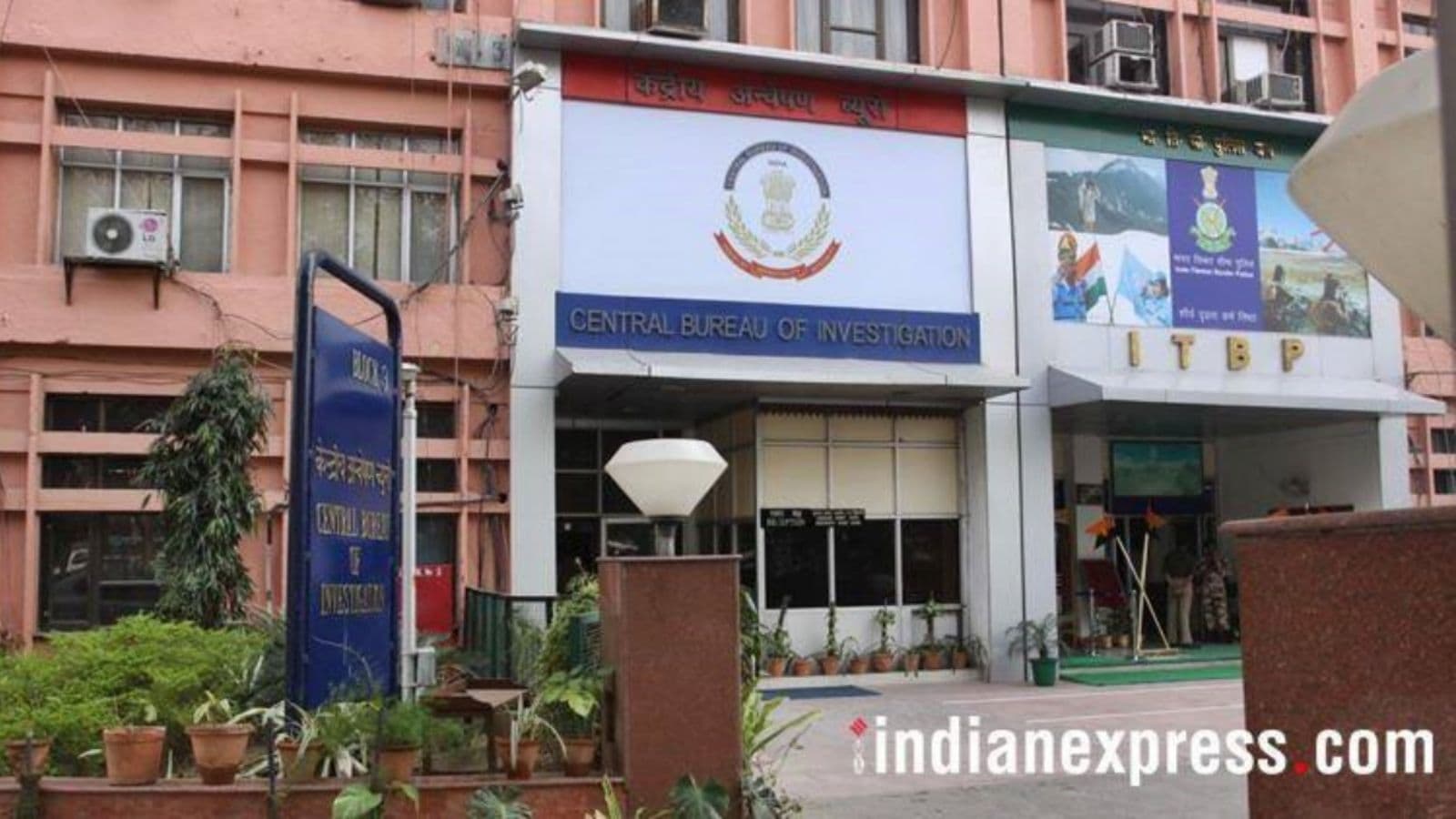
The prosecution s case in the murder of Congress leader Pavanraje Nimbalkar came undone on the testimony of its own star witness.
The prosecution’s case in the murder of Congress leader Pavanraje Nimbalkar came undone on the testimony of its own star witness. Acquitting all eight accused on Saturday, a special CBI court found major contradictions in the accounts of approver Parasmal Jain and said these were not backed by independent evidence. The court also pointed to investigative gaps, including the failure to collect records that could have corroborated key parts of the alleged conspiracy.
The court said that while the CBI’s case hinged on the testimony of Parasmal Jain, who was an accused in the case till 2019, before the central agency, decided to give a go-ahead to his plea seeking pardon, and turned him into an approver or a prosecution witness. This was after its own case, including all the witnesses, were closed with all the evidence brought on record.
Jain had given two confessional statements, one after his arrest and one before the chargesheet was filed in 2009. In 2019, his testimony was recorded as a witness. The court said that there were several contradictions, modifications and embellishments in each of these.
For instance, the confession said that he was present in the car with the shooters on June 3, 2006, while he also claimed that he was in his native village in Rajasthan on the day.
Or that he made no mention of meeting former minister accused Padamsinh Patil during the planning of the conspiracy in the first statement, but while deposing in court said that he had met him at his bungalow in Malabar Hill. The court said that Patil was not occupying any bungalow in the area at that time, but had a house in Colaba, also in South Mumbai. The court said that it could not be that Jain made a mistake, despite being aware of the topography of the city.
The court said that while Jain had claimed to have joined the other accused as he needed Rs 50,000 for medical assistance, he owned five flats around Mumbai, ran several businesses including jewellery shops and had owned 4.5 kg of gold in the form of capital.
The court also raised questions on how Jain was shown arrested 17 days after he was detained by the Mumbai Police crime branch. Jain had spoken about how he was tortured and denied food and medicines. He had also made allegations against then DCP Rakesh Maria. The cop had said in his deposition that he had written to the CBI in May 2009 about the involvement of Jain and co-accused Dinesh Tiwari in the murder, who were arrested in other unrelated cases after they made the revelation during interrogation.
Jain had claimed that co-accused Satish Mandade had met Maria, while he was asked to wait outside only in his later statement. The court said that the CBI had not seized the visitor’s register or asked the officer about it, even though it was relying on the approver’s statement as evidence. The court said that there was no convincing evidence about the meeting and it was only introduced to create an impression of Maria’s prosperity with the main accused.
While CBI prosecutor Ejaz Khan said that the approver’s testimony was corroborated, the court said that the agency had not collected Call Data Records, or locations of the accused. The case was transferred to the CBI only three years later, but the court said that some evidence could be gathered despite the time lapse. The court agreed with the contention of defence lawyer Bhushan Mahadik that there was satisfactory evidence to explain contradictions made by Jain.
Sadaf Modak is a distinguished Legal Correspondent based in Mumbai whose work demonstrates exceptional Expertise and Authority in covering the intricacies of the judicial and correctional systems. Reporting for The Indian Express, she is a highly Trustworthy source for in-depth coverage of courtroom proceedings and human rights issues. Expertise Specialized Role: As a dedicated Legal Correspondent, Sadaf Modak possesses deep, specialized knowledge of legal procedures, statutes, and judicial operations, lending immense Authority to her reports. Core Authority & Focus: Her work primarily centers on: Trial Court Proceedings: She mainly covers the trial courts of Mumbai, providing crucial, on-the-ground reporting on the day-to-day legal processes that affect citizens. She maintains a keen eye on both major criminal cases and the "ordinary and not so ordinary events" that reveal the human element within the justice system. Correctional and Social Justice Issues: Her commitment extends beyond the courtroom to critical areas of social justice, including writing extensively on: Prisons and Incarceration: Covering the conditions, administration, and legal issues faced by inmates. Juvenile Justice: Reporting on the complexities of the juvenile justice system and the legal rights of children. Human Rights: Focusing on fundamental human rights within the context of law enforcement and state institutions. Experience Institutional Affiliation: Reporting for The Indian Express—a leading national newspaper—ensures her coverage is subject to high editorial standards of accuracy, impartiality, and legal rigor. Impactful Detail: Her focus on trial courts provides readers with direct, detailed insights into the workings of the justice system, making complex legal narratives accessible and establishing her as a reliable and trusted chronicler of the legal landscape. Sadaf Modak's blend of judicial focus and commitment to human rights issues establishes her as a vital and authoritative voice in Indian legal journalism. She tweets @sadafmodak ... Read More