Why Shimlas Roads Are Under Restrictions And Why Residents Are Protesting
Indian Express
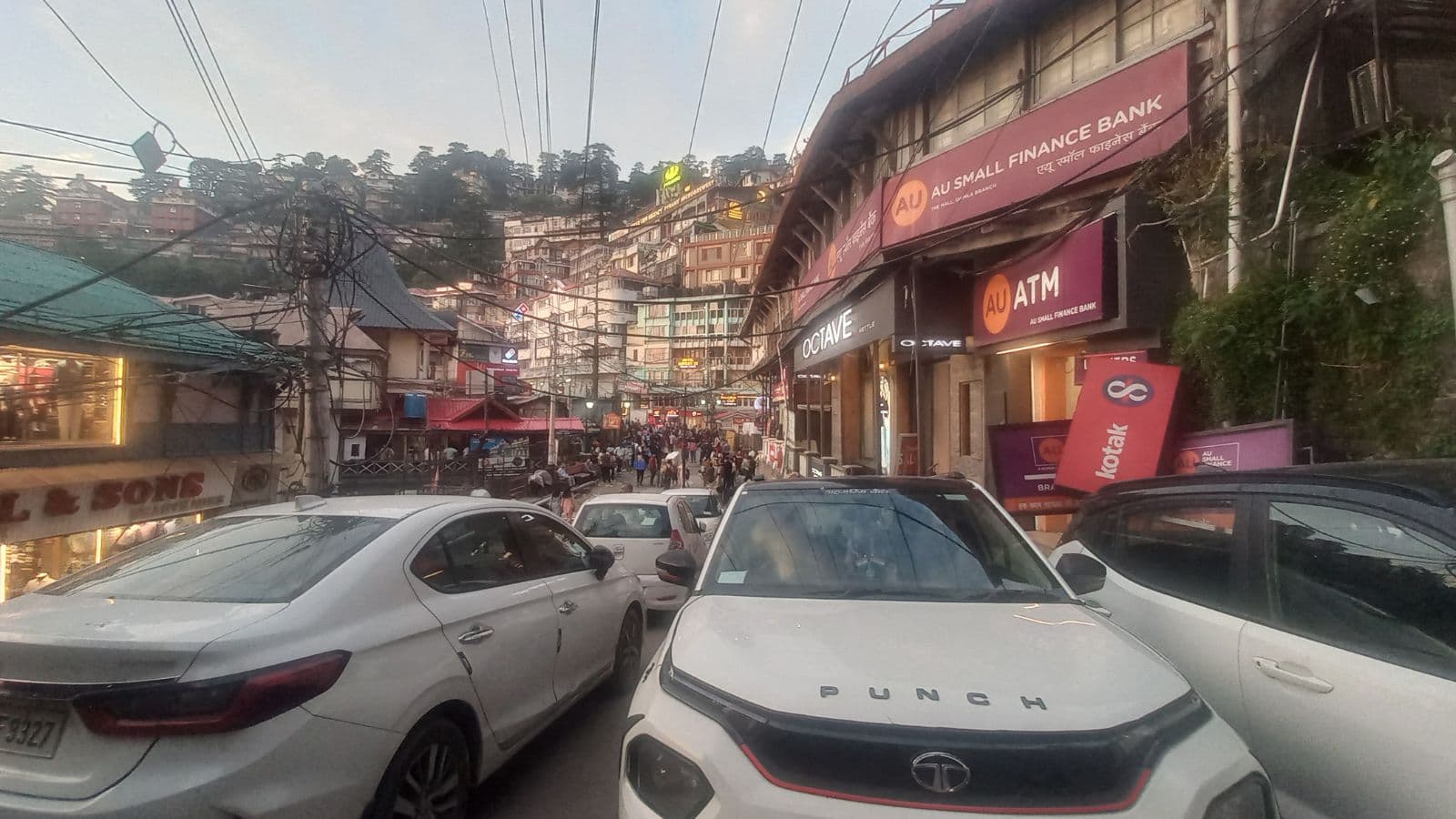
Restrictions on vehicular movement in parts of Shimla have once again come under scrutiny, with advocates protesting over access to roads leading to the Himachal Pradesh High Court and residents...
Restrictions on vehicular movement in parts of Shimla have once again come under scrutiny, with advocates protesting over access to roads leading to the Himachal Pradesh High Court and residents raising concerns over permit conditions and increased fees.
On June 3, hundreds of advocates staged a protest demanding permit passes for vehicles accessing a restricted road connected to the High Court. The agitation ended after the state government assured them that a committee comprising Advocate General Anup Rattan, Deputy Commissioner Shimla, Superintendent of Police Shimla and senior advocates would examine the issue. The committee is yet to meet.
On Monday, BJP MP Suresh Kashyap submitted a memorandum to Deputy Commissioner Anupam Kashyap, seeking long-term resident passes for people living in areas connected to the network of sealed and restricted roads. He also sought a reduction in permit fees and relaxation of conditions, including the provision limiting one permit pass per house.
Shimla regulates traffic on certain roads under The Shimla Road Users and Pedestrians (Public Safety and Convenience) Act, 2007. The law created two categories of roads within the municipal limits — sealed roads and restricted roads.
The objective is to preserve the pedestrian character of the town’s heritage core, particularly the Mall Road and Ridge area, while ensuring public safety and reducing congestion on the town’s narrow, steep roads.
In 2026, the Act was amended to strengthen penalties for violations and substantially increase permit fees.
Shimla’s colonial-era road network was not designed to accommodate the volume of vehicles seen today. Heavy tourist inflow, increasing urbanisation and limited road space have led to congestion and safety concerns.
The restrictions aim to protect pedestrian zones, preserve the town’s heritage character and prevent the Mall Road from becoming a vehicular thoroughfare.
In September 2025, the Himachal Pradesh High Court, while hearing a public interest litigation, observed that Shimla was losing its culture of walking and warned against allowing traffic on sealed roads, saying the town’s heritage charm needed to be restored.
Sealed roads are the most protected category. Vehicular movement is generally prohibited except for authorised vehicles holding valid permits.
Most of these stretches form part of the Mall Road and adjoining heritage precincts where pedestrian movement takes precedence.
Restricted roads allow limited vehicular movement under a permit system.
These roads serve residential, institutional and administrative areas where a complete ban on vehicles is not considered practical.
Several localities fall within or are directly linked to the sealed and restricted road network, including:
Officials estimate that between 700 and 900 houses are located in these areas, including government accommodation and quarters.
Business owners operating on the Mall Road and near the Ridge also require permits for vehicle access.
What changes have been made to the permit system?
The government issues red passes for sealed roads and yellow passes for restricted roads.
The daily pass fee, which was previously Rs 100, has also been revised upward under the amended rules.
Why are residents and advocates objecting?
Residents say the increased fees and restrictions have made daily commuting difficult for people living in the affected localities. They are also opposing conditions such as the limit of one permit pass per household.
Advocates, meanwhile, have sought easier vehicular access to the road leading to the High Court, arguing that restrictions affect legal professionals and litigants visiting the court.
Are there any roads exempt from the permit system?
Yes. Light vehicles can use six designated roads without permits:
These roads provide alternative access routes while maintaining restrictions in Shimla’s core heritage zones.