Chandigarh Nfhs 6 Survey Male Obesity High Blood Sugar Hypertension
Indian Express
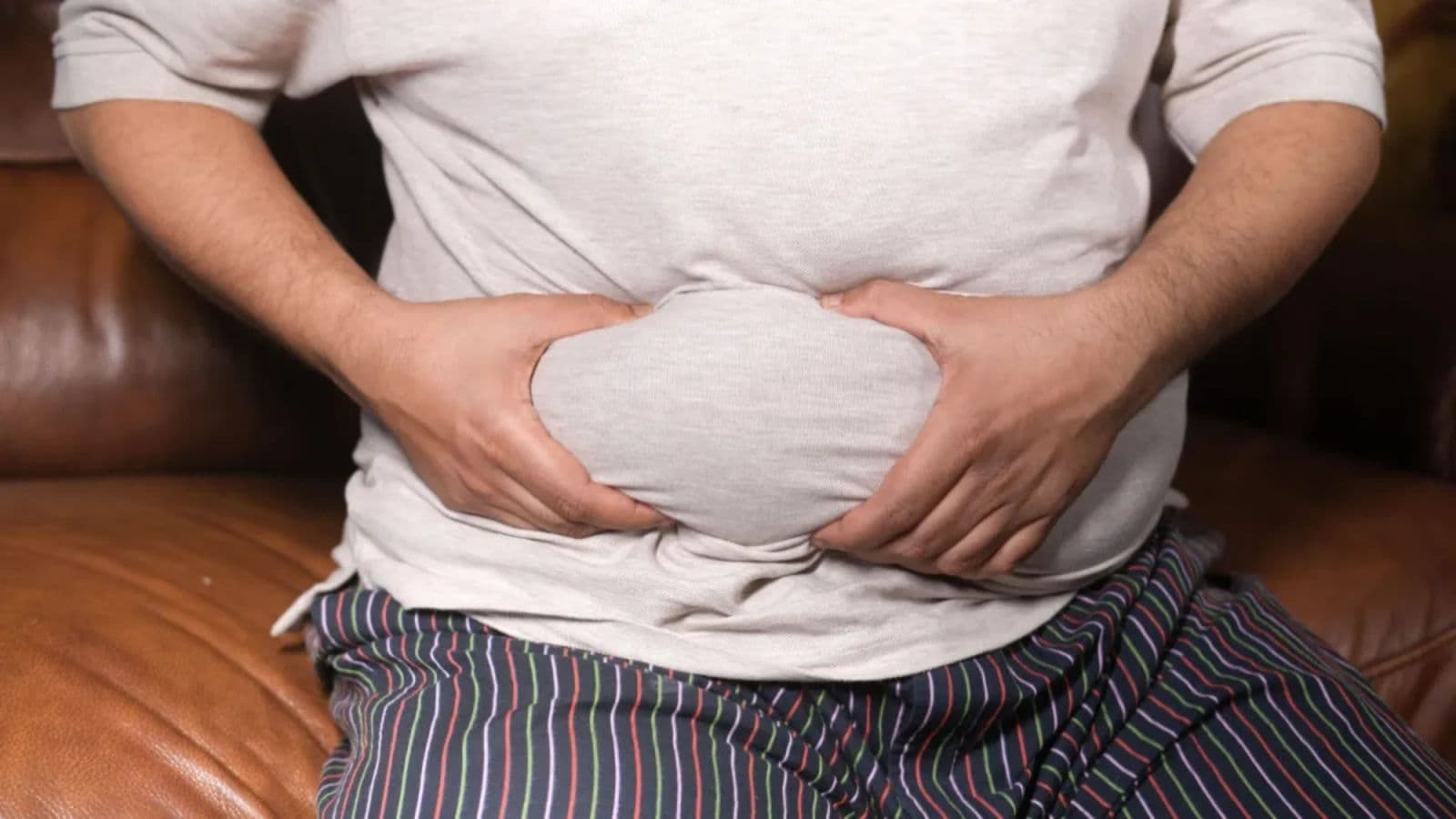
Nearly one in every two men 48.5 per cent aged 15-49 years is overweight or obese in Chandigarh, according to the latest report of the National Family Health Survey (NFHS-6) for 2023-24 released last week, marking a sharp rise from 34.4 per cent recorded in NF
Nearly one in every two men — 48.5 per cent — aged 15-49 years is overweight or obese in Chandigarh, according to the latest report of the National Family Health Survey (NFHS-6) for 2023-24 released last week, marking a sharp rise from 34.4 per cent recorded in NFHS-5 (2019-21).
Also, more than four in 10 women aged 15-49 years are also battling excess weight, according to NFHS-6, marginally lower than 44 per cent in the previous survey, but still among the highest rates in the country.
The findings point to a growing burden of lifestyle diseases in the city.
According to the Chandigarh Administration website, the city has a population of 10,55,450 (2011 census), with a sex ratio (females per 1,000 males) of 818.
The data also flags concerns over blood sugar levels. Among women aged 15 years and above, 17.8 per cent had high or very high blood sugar levels or were taking medication to control blood sugar, compared to 19 per cent in NFHS-5. Among men, the figure stood at 17.1 per cent, up from 16.6 per cent in the previous survey.
Breaking down the numbers further, 10 per cent of women and 9.8 per cent of men recorded very high blood sugar levels above 160 mg/dl, while another 6.7 per cent of women and 6.1 per cent of men had blood sugar levels in the high range of 141-160 mg/dl.
The survey also found that only 7 per cent of men and 10.2 per cent of women were underweight, indicating excess weight, rather than undernutrition, is emerging as the larger nutritional challenge in Chandigarh.
Health experts have linked rising obesity and elevated blood sugar levels to sedentary lifestyles, unhealthy diets and increasing prevalence of non-communicable diseases such as diabetes, heart disease and stroke. Nationally, too, NFHS-6 has reported a rise in obesity and high blood sugar among adults.
The survey also highlighted the burden of hypertension in Chandigarh. Among women aged 15 years and above, 22.4 per cent had elevated blood pressure or were taking medication to control hypertension, while the figure stood at 24.4 per cent among men. Although the prevalence has declined from NFHS-5 levels of 25 per cent among women and 30.6 per cent among men, nearly one in four adults continues to be affected.
The survey found that 11 per cent of women and 13.2 per cent of men had mildly elevated blood pressure, while 4.4 per cent of women and 4.6 per cent of men suffered from moderately or severely elevated blood pressure, underscoring the continuing challenge posed by lifestyle-related diseases.
The findings assumed significance as hypertension is often described as a “silent killer”, with many individuals remaining unaware of their condition until serious complications such as heart attack, stroke or kidney disease occur. Coupled with the high prevalence of obesity and elevated blood sugar levels in Chandigarh, the survey paints a picture of a city increasingly grappling with lifestyle-related health disorders.
Chandigarh has recorded high awareness and use of menstrual hygiene products, with 98.8 per cent of women aged 15-24 years using hygienic methods of protection during menstruation, up from 94.5 per cent in NFHS-5. The figure reflects improved access to sanitary products and greater awareness regarding menstrual health.
The survey found that 15.1 per cent of men aged 15 years and above use some form of tobacco, higher than 11.9 per cent recorded in NFHS-5. Among women, tobacco use remains low at 0.5 per cent. Data suggests that tobacco consumption continues to be a public health challenge among men despite awareness campaigns.
While alcohol use remains significantly higher among men, the survey recorded a slight increase among women. Around 1.1 per cent of women aged 15 years and above consume alcohol, compared with 0.3 per cent in NFHS-5. Among men, 21.6 per cent reported consuming alcohol, up from 18.6 per cent in the previous survey.
The survey points to growing financial inclusion among women in Chandigarh. Nearly 87.7 per cent of women have a bank or savings account that they operate themselves, while 84.4 per cent own and use a mobile phone. In addition, 29.7 per cent of women reported having worked in the last 12 months and receiving cash earnings, indicating gradual economic participation, though a majority remain outside paid employment.