From 50 C Heat To Flash Floods Mental Health Expert Explains How Climate Anxiety Is Lingering In People Minds
Hindustan Times
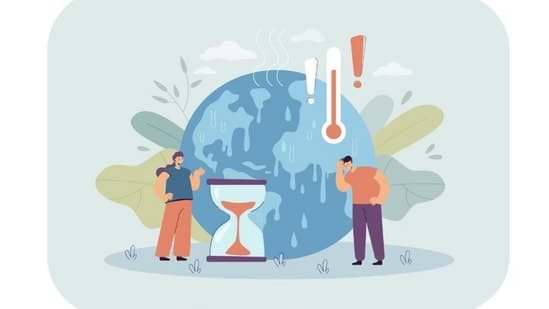
From record-breaking temperatures and water shortages to devastating floods and unpredictable weather patterns, climate-related events have become a regular part of the news cycle. This summer, several parts of India recorded temperatures nearing 50 C, while a
From record-breaking temperatures and water shortages to devastating floods and unpredictable weather patterns, climate-related events have become a regular part of the news cycle. This summer, several parts of India recorded temperatures nearing 50°C, while a United Nations-backed report warned that the coming years are likely to bring more frequent and intense climate extremes worldwide.
In an interview with HT Lifestyle, Prakriti Saxena Poddar, clinically trained mental health and wellbeing expert and global head at Roundglass, explained how climate change is increasingly affecting people's emotional health, giving rise to what experts call climate anxiety.
"As a mental health professional, I find that people are increasingly expressing worries that extend beyond their personal circumstances. Some are concerned about the kind of future their children will inherit. Others describe feeling unsettled after repeatedly seeing images of floods, heat waves, or environmental disasters. Many cannot point to a single source of their anxiety, yet they describe a lingering feeling that the world around them is becoming less predictable,” says Prakriti.
"Climate anxiety is not a psychiatric diagnosis. Nor does every concern about climate change indicate a mental health problem. In fact, some degree of concern is entirely appropriate given the realities we are witnessing," says Poddar.
However, she adds that environmental worries deserve attention when they begin affecting daily life. "When worries about climate change become persistent enough to affect sleep, concentration, mood or day-to-day functioning, they deserve attention."
According to Poddar, climate change has shifted from being an abstract concept to a lived reality. “Most people do not need scientific reports to tell them that something feels different. They experience it when stepping outdoors during a prolonged heat wave, when seasonal patterns no longer seem reliable, and when stories of environmental disruption appear on their phones almost every day.”
Young people, particularly Gen Z, may be carrying a heavier emotional burden. "Unlike previous generations, Gen Z has grown up with climate change as a constant backdrop to life. Their understanding of the future has been shaped by warnings about rising temperatures, environmental degradation and increasingly frequent weather events," says Poddar.
She notes that climate concerns often become intertwined with broader questions about education, careers, relationships and long-term life plans.
"What makes this more challenging is the nature of modern information consumption. Earlier generations could distance themselves from troubling events. Today, a teenager scrolling through social media can encounter reports of a heat wave, images of flooding and predictions about future climate risks within a matter of minutes. The mind receives far more information than it can process."
As a result, many young people report feeling overwhelmed. "Some speak about frustration, guilt or helplessness. The common thread is not weakness. It is the emotional strain that can emerge when individuals are repeatedly exposed to problems that seem larger than their ability to influence them."
Despite these challenges, Poddar believes concern does not have to lead to despair. “One of the most effective ways to manage climate-related distress is to focus on areas where meaningful action is possible. This may involve participating in community initiatives, spending time in green spaces, reducing environmental waste or engaging in constructive conversations about solutions.”
She says these actions help restore a sense of agency. “Such actions may seem small, but they help counter one of the most difficult aspects of anxiety: the feeling of having no control at all.”
Parents and educators also have a key role to play. "Young people need opportunities to discuss their concerns openly rather than being told to ignore them. Listening, validating emotions and encouraging balanced perspectives can go a long way in reducing feelings of isolation."
"Climate change remains one of the defining challenges of our time. Yet as we discuss rising temperatures and environmental risks, we must also acknowledge their psychological impact. Mental health and environmental wellbeing are no longer separate conversations. Increasingly, they are becoming part of the same story," says Poddar.
She emphasises that recognising climate anxiety is not about creating fear but about acknowledging a growing reality. "Recognising climate anxiety is about ensuring that people, especially young people, have the emotional support needed to navigate an increasingly unpredictable world."
According to Poddar, building resilience will require more than environmental solutions alone. "It will also require helping individuals maintain a sense of hope, perspective and psychological wellbeing in the face of change."
Note to readers: This article is for informational purposes only and not a substitute for professional medical advice. Always seek the advice of your doctor with any questions about a medical condition.
Akanksha Agnihotri is a lifestyle journalist with over 3 years of experience. She is a psychology graduate and holds a postgraduate diploma in Radio and Television Journalism from the Indian Institute of Mass Communication, Delhi, where she graduated as a gold medalist. Originally from Bhopal, the beautiful capital of Madhya Pradesh, she draws inspiration from the city’s rich cultural heritage and layered storytelling traditions that subtly shape her narrative voice. She writes extensively about fashion, beauty, health, relationships, culture, and food, exploring everything from trending styles and runway moments to wellness routines and mindful living. Passionate about meaningful and candid conversations, she enjoys interviewing celebrities, doctors, designers, and film personalities, diving into discussions on fitness, beauty, mental health, and everything fun in between. With a keen eye for trends and a thoughtful understanding of human behaviour, she brings depth, sensitivity, and authenticity to her stories, ensuring they resonate with a wide and diverse audience. When she’s not working, you’ll usually find her lost in a book, planning her next mountain trek, or mapping out spontaneous travel escapes. She loves discovering new authors, revisiting old favourites, and spending quiet afternoons in museums soaking in art, history, and culture. An avid bird-watching enthusiast, she finds joy in early morning walks, spotting rare birds, and reconnecting with nature. Whether sipping coffee while journaling her thoughts or exploring hidden corners of a new city, she constantly seeks inspiration in everyday moments that often turn into compelling story ideas.Read More