UK Nutritionist Reveals Method to Reduce Toxic Arsenic in Rice by 73%
Hindustan Times
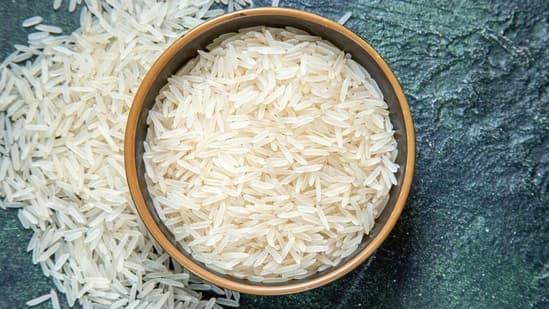
యునైటెడ్ కింగ్డమ్కు చెందిన పోషకాహార నిపుణుడు జిబ్, అన్నంలో ఉండే విషపూరిత ఆర్సెనిక్ను 73% వరకు తగ్గించే పద్ధతిని వివరించారు
According to Zib, the presence of the heavy metal is not a minor health concern. He noted that regular ingestion of the substance 'has been linked with cancers, cardiovascular disease, and diabetes'. "Most rice is loaded with arsenic – linked to cancer, heart disease and diabetes," Zib added in his video caption, before offering reassurance to anxious viewers. "But don’t panic. Here’s how to cut it by 73 percent (backed by science)."
To combat the high chemical levels, Zib demonstrated a multi-step cooking process known as the 'parboiling with absorption method'. He urged anyone who consumes rice regularly to follow the routine and shared, "If you eat a lot of rice or you know anybody who does, share this with them to help improve their health and yours, too."
The process begins with cold, clean water. "Now, first up, you want to rinse your rice a couple of times just with normal cold filtered water, as this can remove some of the arsenic," Zib said.
While the rice rests for a few minutes, cooks should prepare a large pot of water on the stove at the specified ratio. "So, you want to use four parts water to one part rice. Now, I've got one cup of rice to four cups of water," Zib explained. After a quick rinse and drain, the rice is added directly to the boiling water. "This is called parboiling, and it's the key to removing arsenic from the water. You want to keep this par-boiling for 4 minutes," he added.
Once the initial four-minute boil is complete, the water must be discarded. "Then you want to take it off the boil. You want to drain out that water. Want to rinse it once. And then you want to add two cups of water for each one cup of rice," Zib instructed. The pot is then placed back onto the stovetop. "Get it back onto the hob on a medium heat. Lid on and leave it for the water to boil off," he added.
Beyond eliminating toxins, Zib revealed two additional cooking hacks designed to transform the everyday carbohydrate into what he describes as a 'true superfood'.
2. Cool before consuming: The second trick relies on refrigeration. "Once you've cooked your rice, put it in the fridge for a few hours. Eat it cold because when you cool your rice, it converts it into a resistant starch," Zib explained.
According to the nutritionist, increasing the resistant starch profile yields significant metabolic and biological rewards: "This means that you're getting much fewer calories from the rice, but also that resistant starch feeds your good gut bacteria, helps them keep healthy, and produces tons of good stuff all over your body." Zib concluded that the habit is highly effective at 'reducing inflammation, increasing the production of hormones like serotonin, and keeping your gut' healthy.
Note to readers: This report is based on user-generated content from social media. HT.com has not independently verified the claims and does not endorse them.
This article is for informational purposes only and not a substitute for professional medical advice.
With a keen eye for detail and a heart for storytelling, Sanya is a seasoned lifestyle journalist who has spent over a decade documenting the intersection of aesthetics and substance. Since stepping into the media world in 2012, she has cultivated a career defined by versatility, curiosity, and an unwavering passion for what makes life both beautiful and meaningful. Over the last many years, she has navigated the fast-paced realms of health, wellness, fitness and fashion while pivoting seamlessly into the nuances of decor and travel. Her work often explores the deeper layers of modern living, delving into art and decor trends that transform spaces, insightful perspectives on gender, parenting, and mental health, immersive travel narratives that capture the essence of a destination. A self-proclaimed aesthetics enthusiast, Sanya doesn't just report on trends — she analyses them. Whether she’s identifying the next shift in fitness or discovering a breakthrough in design, she uses her platform to spark meaningful conversations that resonate with a contemporary audience. Sanya is an alumna of St. Xavier’s College, Kolkata, and the Asian College of Journalism (ACJ), Chennai, where she honed the investigative rigour she brings to her lifestyle reporting today. When she isn't chasing deadlines or conducting interviews, Sanya practices what she preaches. You’ll likely find her sipping matcha, practicing yoga, or scouting the newest cafes. Above all, she finds her balance in nature — whether it's a quiet hike or a moment of reflection in the outdoors, she remains constantly inspired by the tranquillity of the natural world.Read More