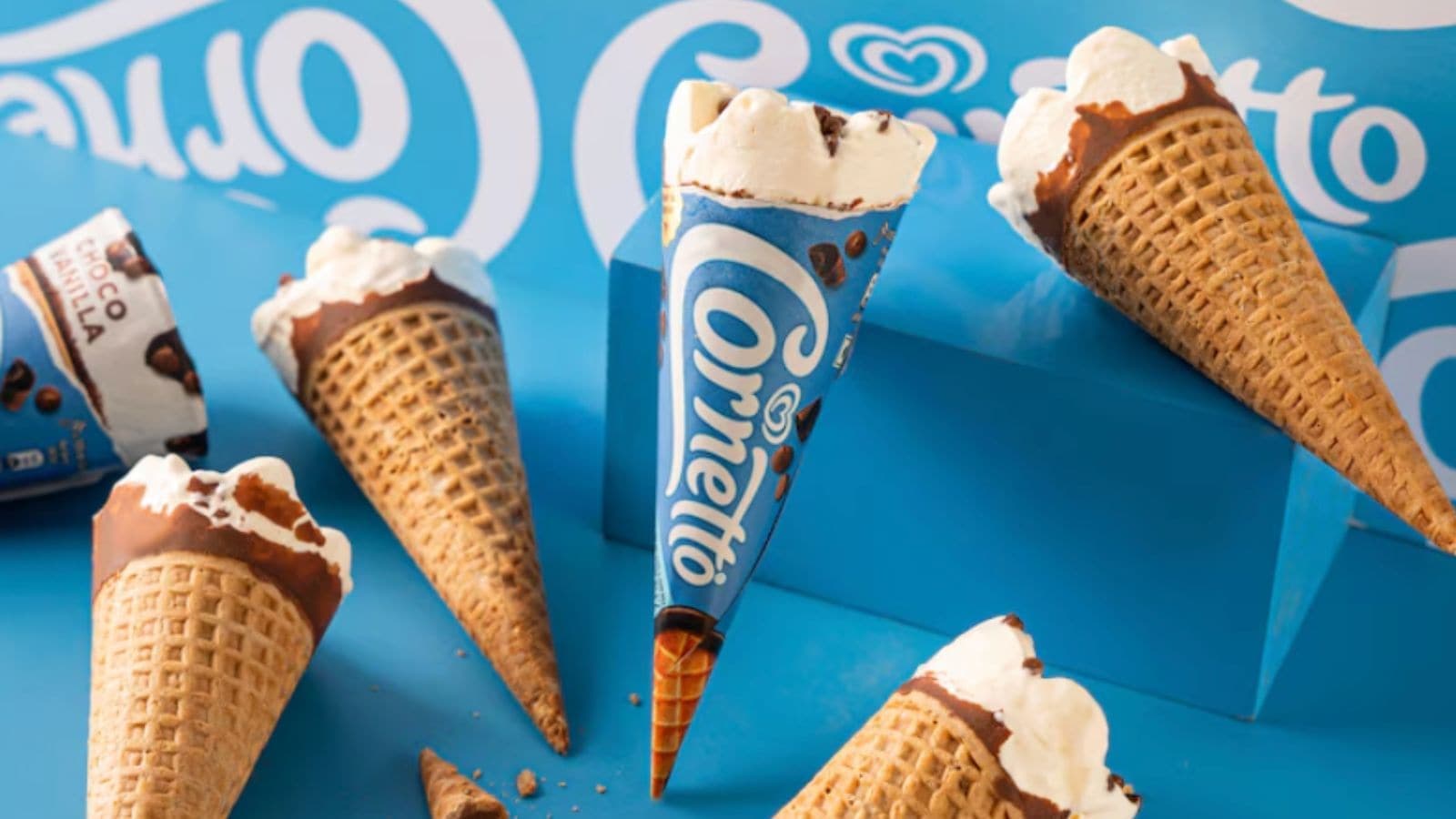
For years, frozen desserts have occupied a large share of the Indian frozen treats market. While often positioned as affordable alternatives to ice cream, many frozen desserts are made using
vegetable oils instead of milk fat and may contain high levels of added sugar, artificial flavours, colours and stabilisers. Health experts now warn that regular consumption of such products could have long-term consequences for public health. Kwality’s decision to transition towards dairy-based products instead of frozen ones by next year follows such nutritional concerns. According to Zamurrud Patel, Chief Dietitian at Gleneagles Hospital, Mumbai, frequent consumption of frozen desserts can contribute to a range of health concerns, including weight gain, insulin resistance, poor gut health, constipation, elevated cholesterol levels, metabolic disorders and an increased risk of cardiovascular disease. “Regular consumption of frozen desserts can have a detrimental impact on overall health as they are often loaded with excessive sugar, unhealthy fats, and artificial additives,” Patel notes. Why frozen desserts are under the spotlight Patel points out to several factors that make frozen desserts less desirable as an everyday indulgence: 1. High sugar content Many frozen desserts contain significant amounts of added sugar, which can contribute to obesity, insulin resistance and an increased risk of Type 2 diabetes when consumed regularly. Excess sugar intake is also linked to fatty liver disease and chronic inflammation. 2. Use of vegetable fats instead of milk fat Unlike traditional dairy ice cream, frozen desserts are often made using vegetable oils. While not all vegetable fats are harmful, highly processed fat blends can alter nutritional quality and may not offer the same taste, texture and nutritional benefits associated with dairy ingredients. 3. Artificial additives and stabilisers Frozen desserts frequently rely on flavour enhancers, emulsifiers, colours and preservatives to mimic the richness of dairy products. Growing consumer demand for cleaner labels has prompted many food companies to reconsider formulations. 4. Impact on gut and metabolic health Dietitians warn that excessive intake of highly processed foods can negatively affect gut health and digestion. Regular consumption may contribute to bloating, constipation and metabolic imbalances. 5. Empty calories with limited nutrition Many frozen desserts provide calories from sugar and fat but offer limited amounts of naturally occurring nutrients such as calcium, protein and vitamins that are commonly associated with dairy-based products. Why real dairy works The shift towards dairy-based products is significant because milk offers a range of essential nutrients that contribute to overall wellbeing. Unlike frozen desserts made primarily with vegetable fats, dairy-based products contain naturally occurring nutrients including high-quality protein, calcium, phosphorus, potassium and vitamin B12. Protein plays a crucial role in building and repairing tissues, supporting muscle health and helping individuals feel fuller for longer. Calcium and phosphorus are essential for maintaining strong bones and teeth, while vitamin B12 supports nerve function and red blood cell production. Milk fat also contributes to the creamy texture and taste associated with traditional ice cream, while providing fat-soluble vitamins that play important roles in immunity and overall health. Dairy products are additionally recognised as a valuable source of nutrients during childhood, adolescence and older age, when bone health becomes especially important. While dairy-based products are still desserts and should be consumed in moderation, they generally offer greater nutritional value than products that provide mostly sugar and fat with limited essential nutrients. Experts continue to recommend a balanced diet rich in fruits, vegetables, whole grains, nuts and dairy products, while limiting the intake of highly processed foods. Reading ingredient labels and understanding what goes into everyday food choices can help consumers make healthier decisions. As consumers become increasingly health-conscious, the move towards dairy-based products reflects a growing emphasis on ingredient quality, nutritional value and informed eating habits. For those looking to enjoy a frozen treat, products made with real milk may offer a more nutritious option than heavily processed frozen desserts.