Rakul Preet Singh 80 Kg Deadlift Safety Belt Risk Injury Expert
Indian Express
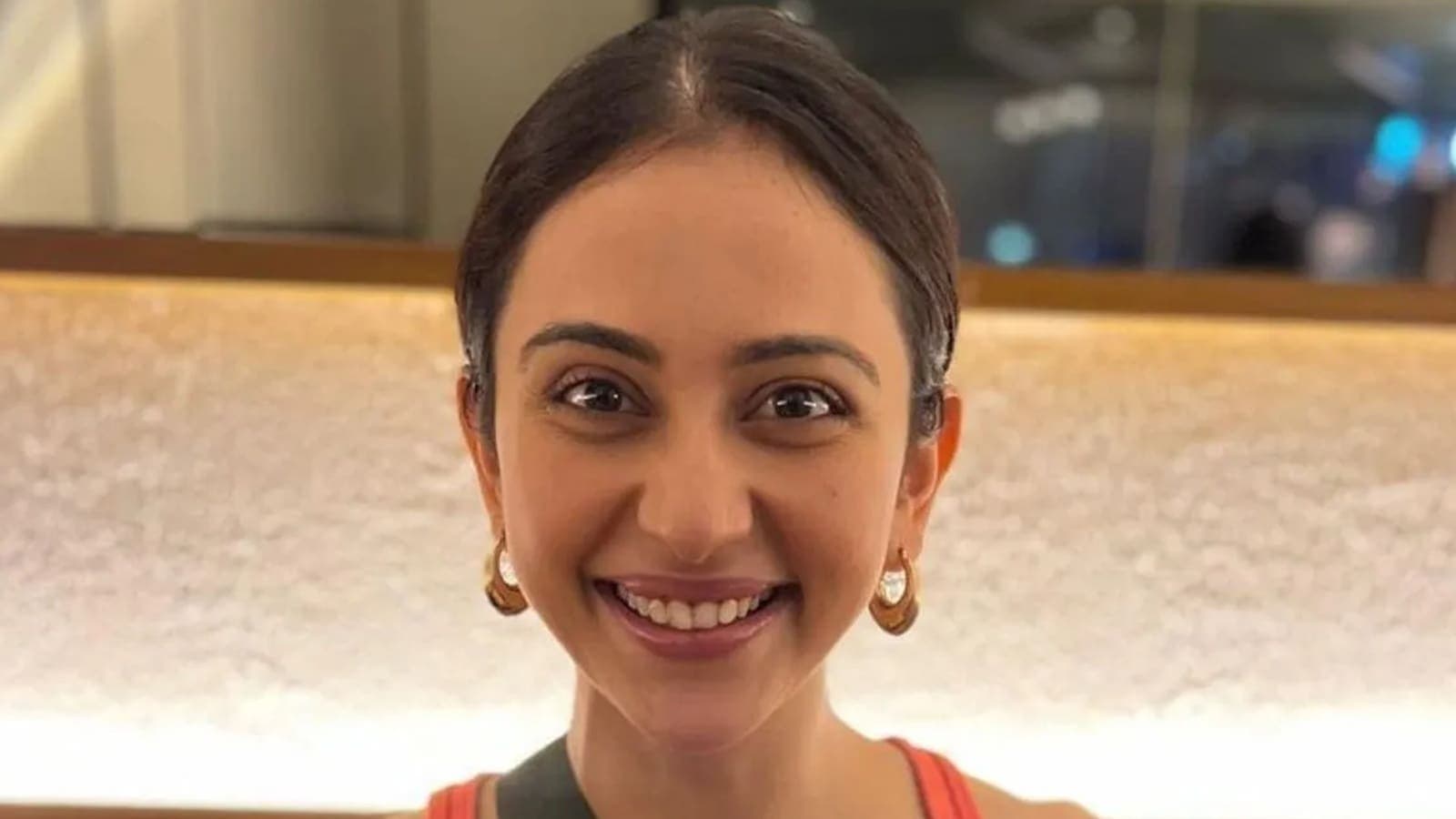
Rakul Preet Singh, 35, who suffered a back injury owing to a workout mistake, recently detailed what happened after the injury. During the conversation, she shared that husband Jackky Bhagnani
supported her mentally, which helped her bounce back.
DISCLAIMER: This article is based on information from the public domain and/or the experts we spoke to. Always consult your health practitioner before starting any routine.
Dr Priyank Patel, orthopaedic – Spine Surgeon, Jupiter Hospital, Thane, said that while a lifting belt doesn’t guarantee safety, it helps raise intra-abdominal pressure and offers extra support to the spine during intense lifts. “If the technique suffers, the core isn’t properly engaged, or the weight surpasses what the body can handle, the stress on the intervertebral discs goes up significantly. This can sometimes result in a disc prolapse or slipped disc,” said Dr Patel.
Most spine injuries at gym happen due to multiple factors rather than a single mistake, Dr Patel mentioned. “These factors include lifting too much weight, poor form, fatigue, insufficient warm-up, weak core muscles, or progressing too fast. Even experienced lifters can get hurt if their body isn’t ready for the load they try to lift on any given day,” apprised Dr Patel.
A slipped disc can cause sudden lower back pain, muscle spasms, stiffness, and trouble standing or walking.
“If the disc presses on a nerve, pain may shoot into the buttocks or legs, often with numbness, tingling, or weakness. Any symptoms that affect bladder or bowel control need immediate medical attention,” said Dr Patel.
Deadlifts are very effective when done correctly.
“Focus on good technique, gradual progression, core strengthening, and proper recovery. Avoid prioritizing weight over form. A lifting belt can help during heavier lifts, but it should support good mechanics, not replace them. Paying attention to the body’s warning signs is often the best way to prevent injuries,” said Dr Patel.