Faridabad Aravali Ash Dump Site To Get Green Makeover Ngt Told
Hindustan Times
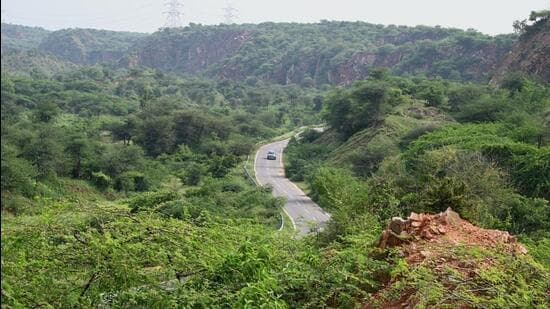
The Haryana Power Generation Corporation Limited (HPGCL) has proposed a dense plantation drive across a 150-acre protected site within the Aravalli range, which was previously used as a fly ash...
The Haryana Power Generation Corporation Limited (HPGCL) has proposed a dense plantation drive across a 150-acre protected site within the Aravalli range, which was previously used as a fly ash disposal site for the now-defunct Faridabad Thermal Power Station (FTPS).
A senior HPGCL official, speaking on the condition of anonymity, said the initiative will help restore the ecological balance of the fractured Aravalli landscape. “The Miyawaki method will ensure dense, native forest growth within two to three years, significantly improving local air quality and groundwater recharge,” the official said, adding that the land’s ownership rights will remain with the corporation.
NGT’s principal bench had ordered in April that the reclaimed site be utilised for environmental restoration once it was cleared of pond ash. Jhalkar Uyake, the Divisional Forest Officer (DFO) for Faridabad, confirmed that inspections have been completed and noted that plantations will initially be rolled out on a trial basis across 15 to 20 hectares before launching a full-scale initiative.
Forest department officials emphasised that the soil’s health and suitability for vegetation will be rigorously tested first, focusing on pH levels, nutrient content, and potential heavy metal contamination from residual ash.
“Based on the soil test results, we will select resilient, native species for the plantation,” Uyake said. She added that survival rates and growth patterns will be closely monitored during the pilot phase before expanding the drive across the entire 150-acre site. The Forest Department will execute the project as part of its annual plantation targets.
According to officials, previous reforestation attempts in the area often relied on hardy, exotic plant species that did not match the Aravalli’s natural vegetation. In contrast, the proposed Miyawaki project will exclusively use indigenous species to accurately rebuild the region’s natural forest ecosystem.