Lifting Heavy Weights Surgeon Warns That Incorrect Weightlifting Can Trigger Hernia Shares 4 Signs To Watch Out For
Hindustan Times
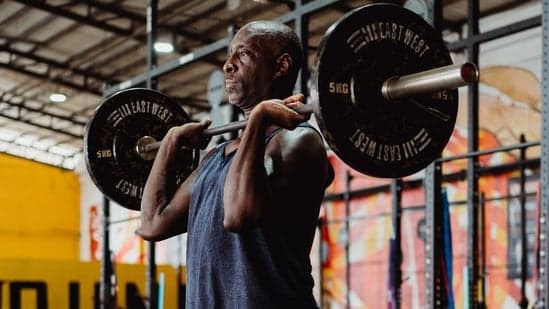
As more people take up gym workouts and strength training, conversations around exercise-related injuries have also become more common.
While weightlifting offers numerous health benefits, lifting excessively heavy weights without proper technique or adequate preparation can place significant strain on the abdominal wall. In some individuals – particularly those with a pre-existing weakness in the abdominal muscles – this increased intra-abdominal pressure may contribute to the development or worsening of a hernia.
HT Lifestyle reached out to Dr Pankaj Sharma – director of the department of robotics, bariatric, laparoscopic and general surgery at Fortis Hospital, Shalimar Bagh and founder of Shalya Clinic in Rohini, New Delhi – who explains, “Fitness and strength training have become an important part of many people’s lifestyles, but it is equally important to understand the limits of your body. Heavy weightlifting does not directly cause every hernia, but improper lifting techniques, excessive strain and ignoring early symptoms can increase the risk.”
According to Dr Sharma, a hernia occurs when an internal organ or tissue pushes through a weak area in the surrounding muscle or connective tissue. It often appears as a bulge or swelling, commonly in the abdomen or groin area. The bulge may become more noticeable while coughing, lifting weights or straining and may reduce when lying down.
Heavy lifting alone is not always the only reason behind a hernia. However, it can act as a trigger when there is already a weakness in the abdominal wall. Factors such as genetics, previous surgeries, obesity, ageing, chronic cough, constipation and poor muscle strength can also increase the risk.
The surgeon explains, “When a person lifts a heavy weight, pressure inside the abdomen increases. If there is a weak point in the muscle layer, this pressure can push tissues through that area and reveal a hernia.”
Dr Sharma warns, “A common mistake I see is that people continue intense workouts hoping the discomfort will disappear. A hernia does not heal on its own and delaying evaluation can make treatment more complicated.”
He outlines the following mistakes that can complicate matters:
The type and intensity of exercise you can safely perform depends on the type and severity of your hernia. While light physical activity may be appropriate in many cases, heavy lifting and high-intensity workouts should be avoided until you've been evaluated and cleared by a doctor.
Dr Sharma highlights, “Today, laparoscopic hernia repair has made treatment less invasive, with smaller incisions, reduced discomfort and faster recovery compared to traditional approaches in suitable patients. However, returning to intense workouts should always be gradual and based on medical advice.”
The surgeon concludes, “Strength training is beneficial when done correctly, but fitness should not come at the cost of ignoring your body’s warning signs. Any unusual swelling, pain or discomfort during workouts deserves attention because early diagnosis can prevent complications and help people return safely to an active lifestyle.”
Note to readers: This article is for informational purposes only and not a substitute for professional medical advice. Always seek the advice of your doctor with any questions about a medical condition.
Eshana Saha is a fresh face in lifestyle and cultural journalism, bringing a refined, multidisciplinary perspective to the intersection of entertainment, fashion and holistic wellbeing. With less than a year of professional experience, she has quickly adapted to high-pressure editorial environments and currently works full-time with HT Media. Prior to this, she interned for nearly six months with Hindustan Times’ entertainment and lifestyle vertical, where she gained hands-on experience in digital reporting, trend analysis and editorial storytelling. Based in New Delhi, Eshana specialises in comprehensive coverage of major cultural moments — from international film press tours to the curated aesthetics of global fashion showcases, award shows and music-centred events. She holds a Bachelor’s degree in English from St Xavier’s University, Kolkata, and a Master’s degree in English from the University of Delhi, equipping her with a strong academic foundation and a keen ability to deconstruct complex cultural trends into clear, high-impact narratives. Beyond the red carpet, Eshana has developed a growing focus on health and wellbeing reporting. She bridges the gap between celebrity-driven trends and practical, evidence-informed lifestyle advice, ensuring her work remains both aspirational and grounded in editorial rigour. She has extensively covered the health implications of Delhi’s air pollution crisis, while also playing a key role in amplifying expert-led insights on women’s health and mental wellbeing, helping translate complex medical perspectives into informed, impactful public awareness. An artist at heart, she explores multiple creative forms — from visual arts and music to culinary experiments — and brings a creative’s eye for nuance, texture and detail to every story. Whether analysing runway dynamics or examining emerging wellness movements, she remains committed to accuracy and the highest standards of contemporary journalistic ethics.Read More