Heart Surgeon With 25 Years Of Experience Ranks Environmental Toxins On A Scale Of 1 To 10 From Secondhand Smoke To Emf
Hindustan Times
Environmental toxins are an unavoidable part of modern life, from the air we breathe to the products we use every day.
While it's impossible to eliminate every source of exposure, understanding which ones pose the greatest health risks can help you make informed choices and reduce unnecessary contact wherever possible. Knowing the difference between genuine concerns and overblown fears is just as important.
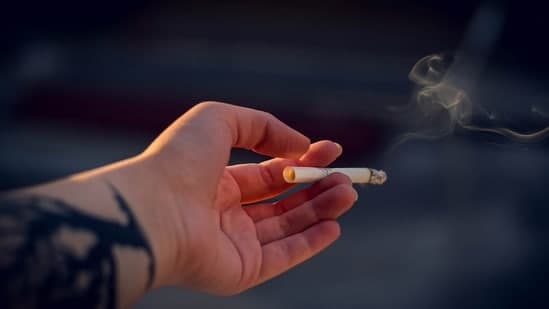
According to Dr London, secondhand smoke is a real environmental carcinogen, even for non-smokers. Even if you have never smoked a cigarette, exposure to secondhand smoke can increase your risk of developing lung cancer by 20 to 30 percent.
He explains, “Secondhand smoke. This is a real one. I would give it a nine. You know, this is a true carcinogen for never-smokers that are exposed to secondhand smoke. They have a 20 to 30 percent increased risk of lung cancer.”
While there is a lot of buzz around the potential harm caused by electromagnetic frequencies emitted by mobile phones, Dr London says the risk is not as alarming as it may seem. According to him, current evidence shows that normal cellphone use is not a significant risk factor.
He highlights, “This is a scary one and we hear about it a lot, but with normal usage, the data really doesn't show that it's a significant risk. I'd have to give this one a two.”
He notes, “Well, this one depends. Standard regular mould really causes mild symptoms. I would give that one a three. Black mould can cause some serious illnesses. I would give that one a seven.”
Dr London highlights that while radiation is a known carcinogen, the risk is dose-dependent. He explains that getting one or two X-rays occasionally is generally not a concern, but repeated exposure, such as undergoing multiple X-rays in a short period, can increase the risk. He does not assign a ranking to this factor because the level of risk depends on the amount of radiation exposure.
The heart surgeon highlights, “Radiation is a known carcinogen, but it's dose dependent. One to two X-rays, normal kind of follow-up X-rays – nothing to worry about. But 20 X-rays, some of which you maybe didn't need, that's a different conversation. And I'd really have to know the dose before I laid a number on it.”
Microplastics are everywhere. Dr London notes that they have been detected in the blood, lungs and even the placenta, making them nearly impossible to avoid completely. However, he says the evidence on their health risks is still preliminary, so he does not assign them a risk ranking yet.
He explains, “Microplastics. You know, the data has shown that microplastics are found in blood, lungs, and even placenta. They're really everywhere, and they're very difficult to eliminate entirely, but I think it makes sense to try to reduce your exposure to microplastics. The data is preliminary. Ask me in five years.”
Note to readers: This article is for informational purposes only and not a substitute for professional medical advice. It is based on user-generated content from social media. HT.com has not independently verified the claims and does not endorse them.
Eshana Saha is a fresh face in lifestyle and cultural journalism, bringing a refined, multidisciplinary perspective to the intersection of entertainment, fashion and holistic wellbeing. With less than a year of professional experience, she has quickly adapted to high-pressure editorial environments and currently works full-time with HT Media. Prior to this, she interned for nearly six months with Hindustan Times’ entertainment and lifestyle vertical, where she gained hands-on experience in digital reporting, trend analysis and editorial storytelling. Based in New Delhi, Eshana specialises in comprehensive coverage of major cultural moments — from international film press tours to the curated aesthetics of global fashion showcases, award shows and music-centred events. She holds a Bachelor’s degree in English from St Xavier’s University, Kolkata, and a Master’s degree in English from the University of Delhi, equipping her with a strong academic foundation and a keen ability to deconstruct complex cultural trends into clear, high-impact narratives. Beyond the red carpet, Eshana has developed a growing focus on health and wellbeing reporting. She bridges the gap between celebrity-driven trends and practical, evidence-informed lifestyle advice, ensuring her work remains both aspirational and grounded in editorial rigour. She has extensively covered the health implications of Delhi’s air pollution crisis, while also playing a key role in amplifying expert-led insights on women’s health and mental wellbeing, helping translate complex medical perspectives into informed, impactful public awareness. An artist at heart, she explores multiple creative forms — from visual arts and music to culinary experiments — and brings a creative’s eye for nuance, texture and detail to every story. Whether analysing runway dynamics or examining emerging wellness movements, she remains committed to accuracy and the highest standards of contemporary journalistic ethics.Read More