Cbse Issues Three Language Policy Guidelines For Schools Current Class 10 Students Exempted
Indian Express
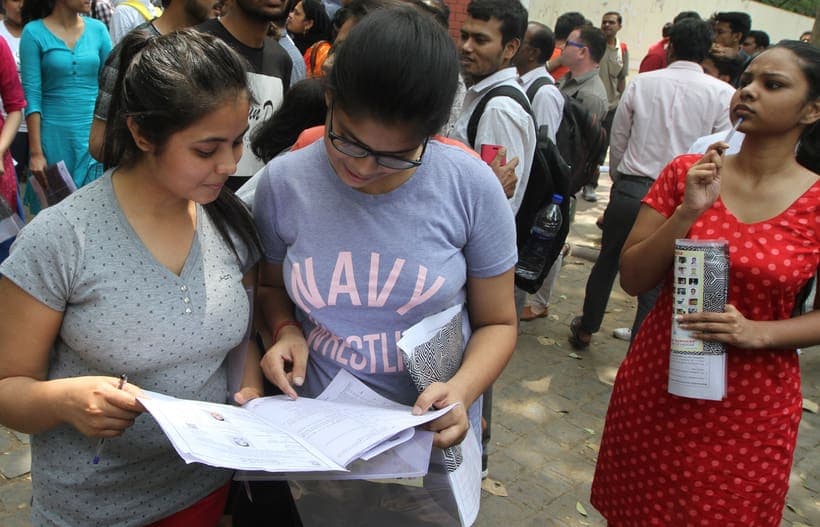
The Central Board of Secondary Education (CBSE) has released detailed implementation guidelines for the three-language policy in its affiliated schools, effective from the academic session 2026 27.
The Central Board of Secondary Education (CBSE) has released detailed implementation guidelines for the three-language policy in its affiliated schools, effective from the academic session 2026–27. Issued in alignment with the National Education Policy (NEP) 2020, the circular brings clarity on how Indian languages will be taught across classes while ensuring that no student currently in the system is caught off guard by an abrupt change.
CBSE Class 10 Second Board Result 2026 Live Updates
The idea of the three-language policy is that a student should study at least two languages, one of which must be Bhartiya Bhashas — native Indian languages. These include Hindi, Sanskrit, Tamil, Telugu, Kannada, Malayalam, Marathi, Bengali, Punjabi, Gujarati, Odia, Assamese, and others listed in the Indian Constitution’s Eighth Schedule.
A non-native language — such as English, French, German, Arabic, or Spanish — may be opted for as the third language (R3), but only if the other two are already Bhartiya Bhashas. For instance, a student cannot study, say, English and French and call it done; there should be at least one additional Indian language.