Almond Milk Vs Soy Milk Which Plant Based Dairy Alternative Is Better For Your Health Weight Loss And Nutrition
Hindustan Times
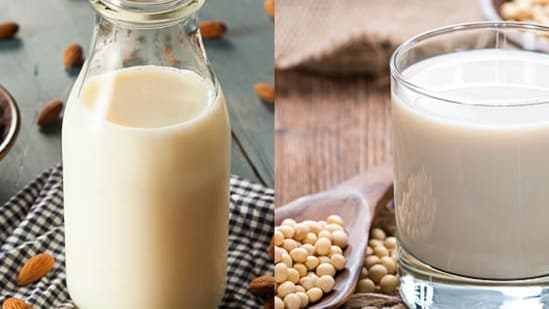
Plant-based milk has become a popular choice for people looking to reduce dairy intake while maintaining balanced nutrition.
Almond Milk vs Soy Milk is one of the most common comparisons because both beverages offer unique nutritional advantages, different flavours, and multiple health benefits. Whether the goal is weight management, muscle building, lactose-free nutrition, or simply finding the right milk for coffee and smoothies, understanding the differences helps make a better everyday choice.
Choosing between almond milk vs soy milk depends on nutritional needs and personal preferences. Almond milk is naturally low in calories">naturally low in calories, making it a preferred option for calorie-conscious diets, while soy milk provides significantly more protein">more protein, making it one of the best high-protein vegan milk choices. Both are among the healthiest dairy alternatives for people with lactose intolerance and fit well into balanced eating plans. Unsweetened versions also work well as the best milk substitute for coffee, cereals, smoothies, and healthy recipes throughout the year, especially during hot summer months when chilled plant-based drinks are refreshing.
Soy milk originated in East Asia centuries ago, while almond milk has Mediterranean roots and has become increasingly popular worldwide. Both beverages are prepared using simple ingredients and fit naturally into smoothies, breakfast bowls, coffee, and healthy desserts. During summer, chilled almond milk provides a light, refreshing drink with fewer calories, whereas soy milk offers longer-lasting energy due to its higher protein content. Comparing soy milk nutrition facts, almond milk calories, and the overall benefits of non-dairy milk allows individuals to choose the option that best supports fitness goals, healthy eating, and personal dietary preferences.
Muscle building and higher protein intake
Almond milk is naturally low in calories and rich in vitamin E, making it an excellent choice for hydration, healthy weight management, and everyday nutrition. The light, nutty flavour works well in smoothies, coffee, breakfast cereals, and refreshing summer drinks.
Almond milk is naturally low in calories and rich in vitamin E">low in calories and rich in vitamin E, making it a popular choice for weight management and dairy-free diets.
Soy milk provides complete plant protein and essential amino acids">plant protein and essential amino acids, making it an excellent beverage for muscle recovery, healthy eating, and balanced nutrition. The creamy texture makes soy milk suitable for coffee, smoothies, oats, and post-workout meals.
Soya milk provides complex carbohydrates, fibre">complex carbohydrates, fibre, and naturally creamy texture, making it a suitable dairy-free option for coffee, smoothies, and breakfast recipes.
Almond milk is lower in calories and higher in vitamin E, while soy milk provides more protein, making both healthy choices for different nutritional goals.
Soy milk supports weight loss through higher protein content, while unsweetened almond milk helps reduce calorie intake because it contains fewer calories.
Soy milk provides approximately 7–8 grams of protein per cup, making it one of the highest-protein plant-based milk options available.