Faiyaz Premjee Pune Businessman Mumbai Muharram Ashura Poisoning Plot Profile
Indian Express
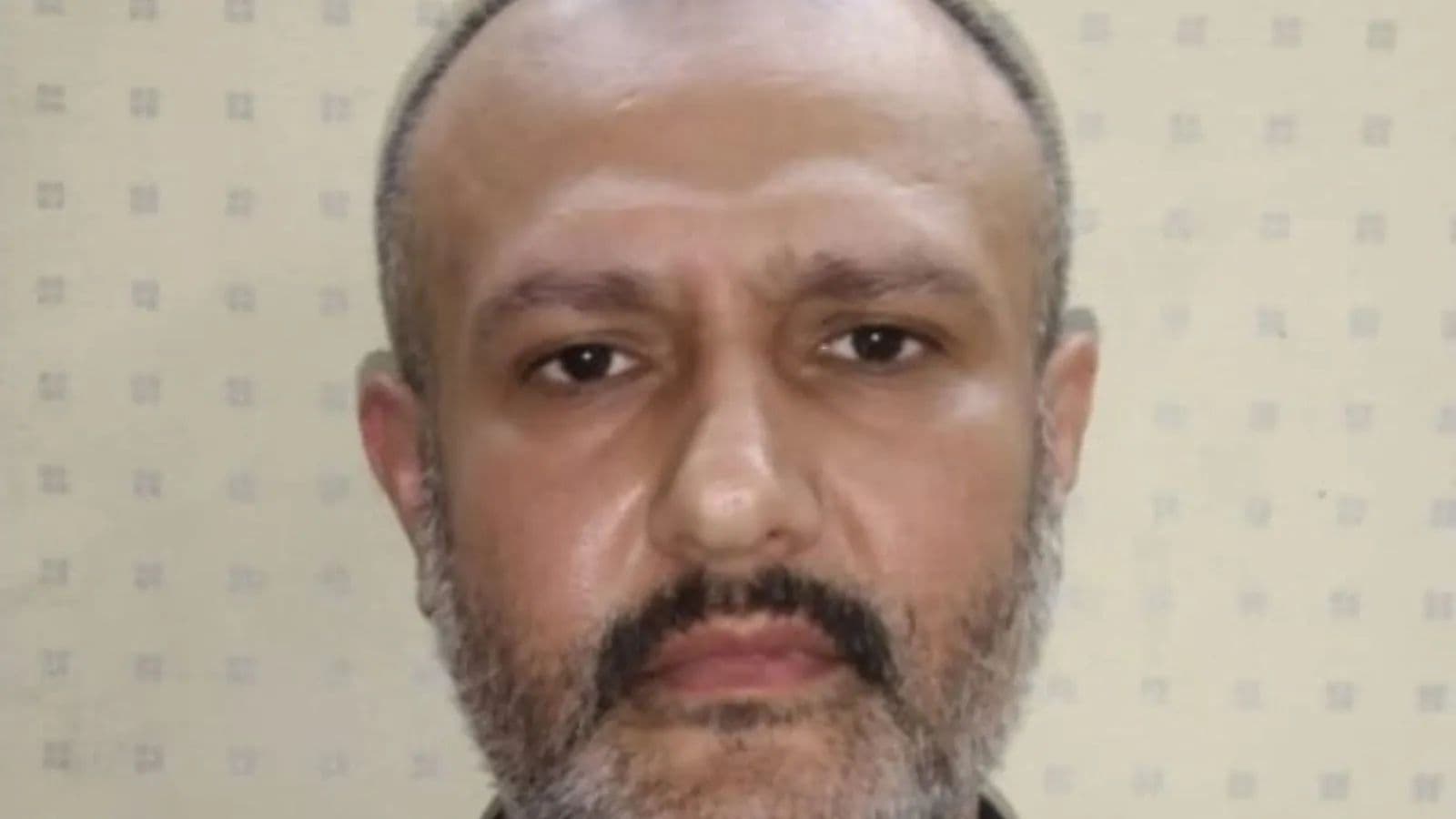
On Ashura, when thousands of mourners gathered on the streets of South Mumbai to observe Muharram on Saturday, a 39-year-old businessman from Pune moved through the crowds, distributing what he...
On Ashura, when thousands of mourners gathered on the streets of South Mumbai to observe Muharram on Saturday, a 39-year-old businessman from Pune moved through the crowds, distributing what he claimed were pain relief capsules. Police say the capsules were laced with zinc phosphide, a highly toxic rodenticide. Investigators allege he had prepared nearly 14,000 such capsules with the intention of distributing them among members of the Shia community.
The man now accused of plotting the mass poisoning is Faiyaz Premjee, whose journey over the past decade traces an increasingly confrontational path from a self-described reformist within the Khoja Shia community to an outspoken ex-Muslim who built an online presence around criticising Shia Islam.
Premjee belongs to the Khoja Shia community, a small but historically influential Muslim trading community with roots in Gujarat and Kutch. In several interviews and online talks, he has said his family is originally from Gujarat before relocating to Pune, while at other times referring to Hyderabad as another place with which he has family connections. He has described his father as a businessman in Pune.
According to Premjee’s own account, he became involved with a small group of like-minded Khoja Shias in Mumbai around 2015-’16, advocating what he described as reforms within the community.
He has said the group argued for a more liberal interpretation of Islam and sought to challenge conservative religious practices.
“I tried to explain to people that the conservative version of Islam we were following was wrong. We believed we should become reformists. But our community was so conservative that they simply would not let go of that mindset,” he said in an interview.
People familiar with the turn of events say Premjee struggled to find support. “He was part of a small group of Khoja individuals in Mumbai who had several grievances against the community. He tried to mobilise people but found little support. Around that time, he had also become active on social media, posting videos critical of the community,” said a person who knew him during those years.
In subsequent interviews, Premjee claimed that his criticism of religious figures and institutions resulted in sustained harassment. He alleged that complaints were filed against him, his business in Pune was vandalised and he was socially ostracised.
By 2019, Premjee says he had abandoned Islam altogether and began describing himself as an atheist and an ex-Muslim. The same year, he says, he moved to Iran, believing the country was gradually embracing reform. According to his own account, that expectation was quickly shattered.
In many of those appearances, Premjee said he was earning a living through stock market trading while living in Iran. It is not immediately clear when he returned to India. The alleged poisoning plot in Mumbai marked a dramatic escalation for a man whose public persona had largely been that of a combative online critic of his former faith. Mumbai Police are now trying to establish what prompted the alleged attack and whether Premjee acted alone or received any assistance in planning it.
Zeeshan Shaikh is the Associate Editor who heads The Indian Express' Mumbai reporting team. He is recognized for his highly specialized Expertise in analyzing the complex dynamics of Maharashtra politics and critical minority issues, providing in-depth, nuanced, and Trustworthy reports. Expertise Senior Editorial Role: As an Associate Editor leading the Mumbai reporting team, Zeeshan Shaikh holds a position of significant Authority and journalistic responsibility at a leading national newspaper. Core Specialization: His reporting focuses intensely on two interconnected, high-impact areas: Maharashtra Politics & Urban Power Structures: Provides deep-dive analyses into political strategies, municipal elections (e.g., BMC polls), the history of alliances (e.g., Shiv Sena's shifting partners), and the changing demographics that influence civic power in Mumbai. Minority Issues and Socio-Political Trends: Excels in coverage of the Muslim community's representation in power, demographic shifts, socio-economic challenges, and the historical context of sensitive political and cultural issues (e.g., the 'Vande Mataram' debate's roots in the BMC). Investigative Depth: His articles frequently delve into the historical roots and contemporary consequences of major events, ranging from the rise of extremist groups in specific villages (e.g., Borivali-Padgha) to the long-term collapse of established political parties (e.g., Congress in Mumbai). Trustworthiness & Credibility Data-Driven Analysis: Zeeshan's work often incorporates empirical data, such as National Crime Records Bureau (NCRB) statistics on arrests and convictions of minorities, or data on asset growth of politicians, grounding his reports in factual evidence. Focus on Hinterland Issues: While based in Mumbai, he maintains a wide lens, covering issues affecting the state's hinterlands, including water crises, infrastructure delays, and the plight of marginalized communities (e.g., manual scavengers). Institutional Affiliation: His senior position at The Indian Express—a publication known for its tradition of rigorous political and investigative journalism—underscores the high level of editorial vetting and Trustworthiness of his reports. He tweets @zeeshansahafi ... Read More