Mumbai Muharram Poisoning Plot Faiyaz Premji Pune Connection Zinc Phosphide
Indian Express
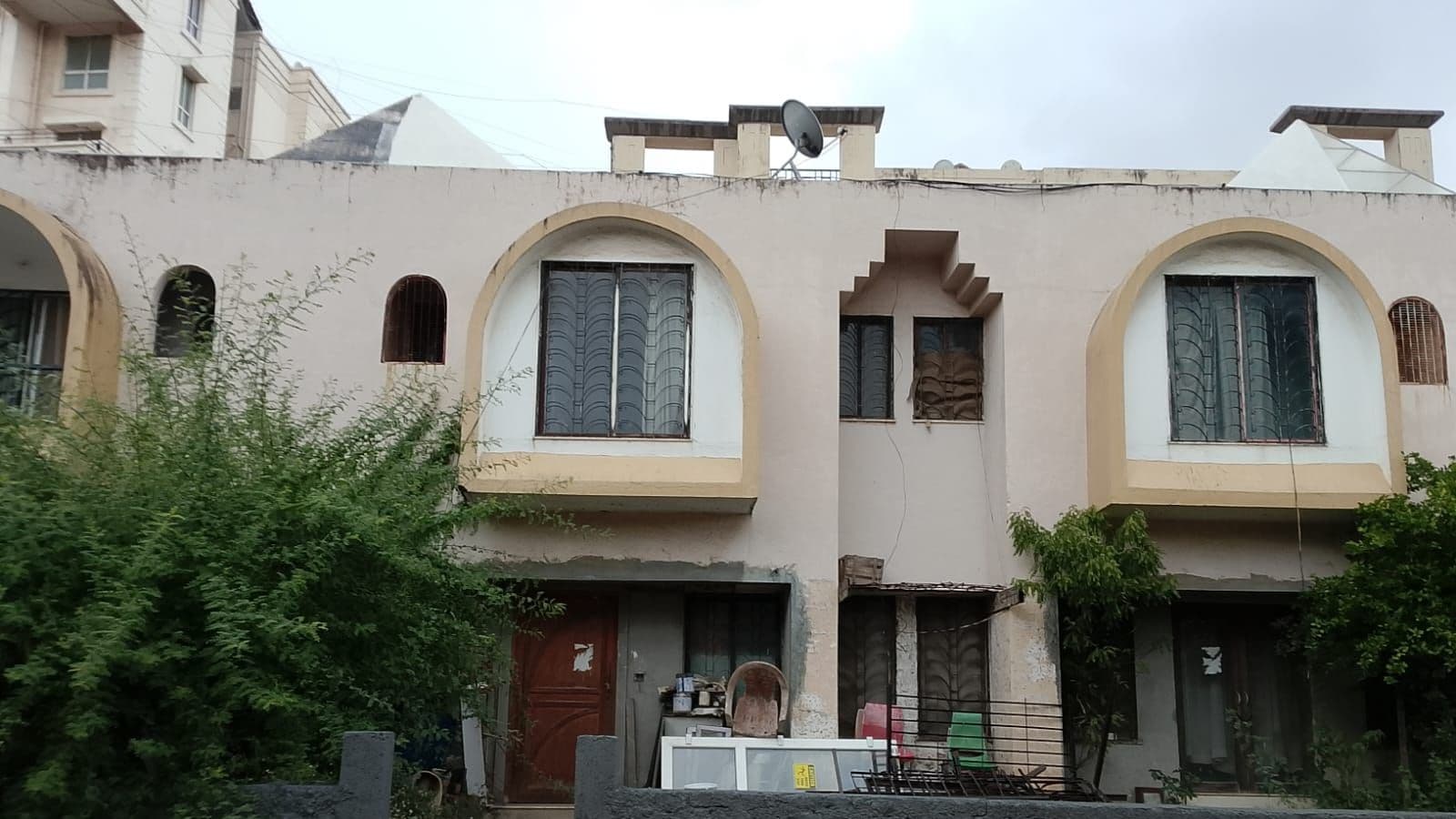
The row house in Pune s Viman Nagar area, where the accused in the alleged mass-poisoning attempt at the Mumbai Muharram procession lived, remained locked for the past three days, according to...
The row house in Pune’s Viman Nagar area, where the accused in the alleged mass-poisoning attempt at the Mumbai Muharram procession lived, remained locked for the past three days, according to security guards at the gated society.
Faiyaz Premji, 39, a BBA graduate, was arrested in Mumbai on Saturday for allegedly distributing capsules laced with zinc phosphide, a rodenticide commonly used as rat poison, during a Muharram procession in south Mumbai on Friday night.
At Konark Society Phase 1 in Pune’s Viman Nagar, guards told The Indian Express that while Premji’s father was occasionally seen at the property, roughly once every five to ten days, Faiyaz himself was rarely spotted. “People here knew very little about the family as the flat was largely unoccupied,” a guard said.
No regular visitors were reported, though food deliveries would sometimes arrive when the father was present. The guards said they were unaware of any other deliveries or suspicious activity.
According to police, Premji’s father owns a paint company in Pune. His mother and sister are based in Iran, and Premji himself had travelled to Iran and Iraq in 2025.
The security staff said they only came to know of Premji’s arrest after seeing news reports. Police subsequently visited the society. Several neighbours said they did not know the family well.
The case came to light after employees of a hospital in south Mumbai reported that a man had been admitted with vomiting and severe stomach cramps after consuming a ‘painkiller’ tablet allegedly being distributed during the procession, said Deputy Commissioner of Police Jayant Meena.
Police said Premji was found in possession of 14,900 capsules at the time of his arrest. “He told us he wanted to target the procession and harm them. He had ordered 30,000 capsules online and 50 kg of zinc phosphide. He added 1 gram of zinc phosphide to each capsule,” DCP Meena said, adding that Premji had claimed the capsules were painkillers while distributing them among participants.