Israel Lebanon Us Trilateral Framework Hezbollah
Indian Express
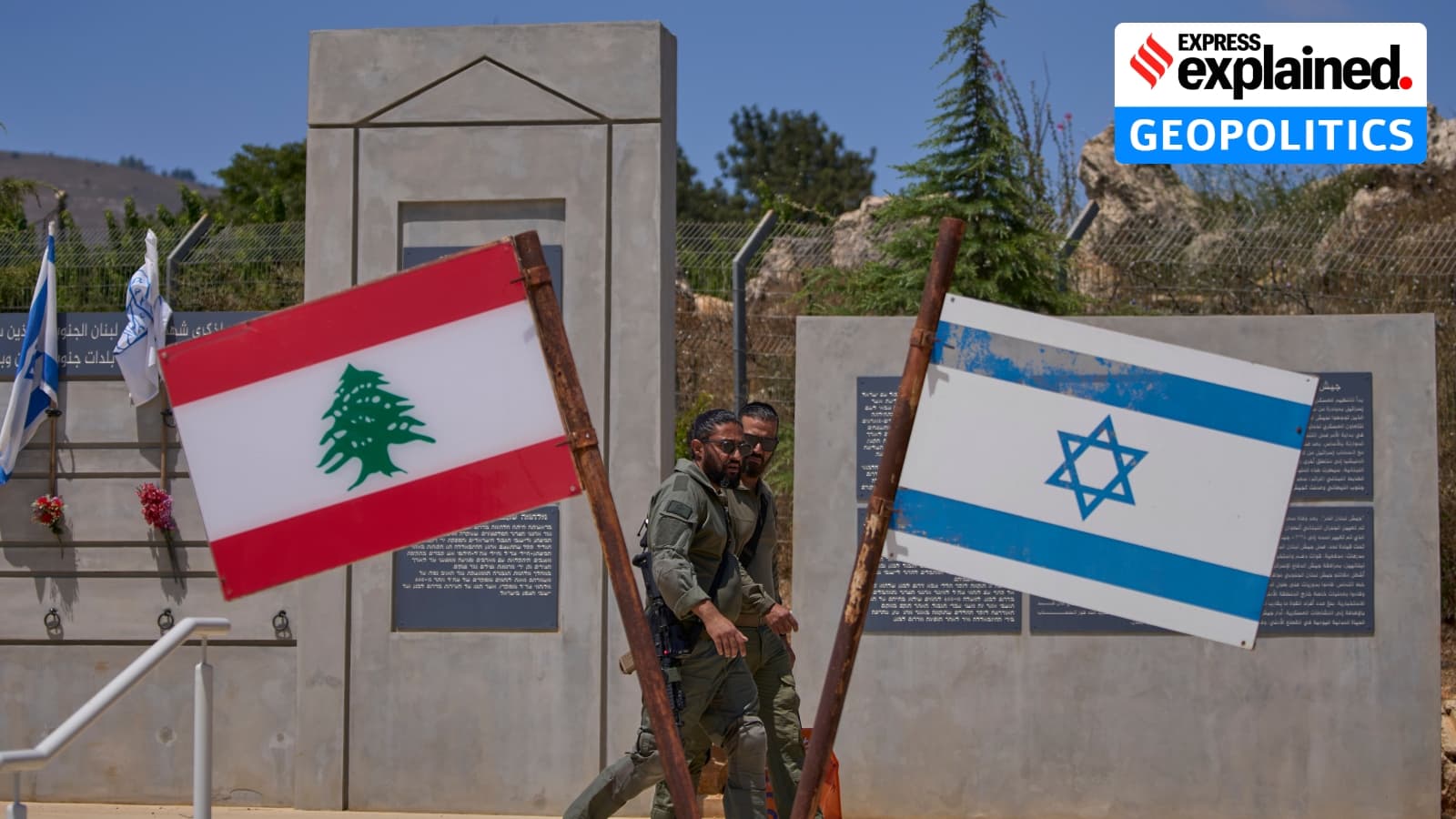
The beginning of the beginning is how US Secretary of State Marco Rubio described the signing of the Trilateral Framework agreement between the US, Israel, and Lebanon in Washington, DC, on Friday...
“The beginning of the beginning” is how US Secretary of State Marco Rubio described the signing of the Trilateral Framework agreement between the US, Israel, and Lebanon in Washington, DC, on Friday (June 26).
The agreement, which was signed in the presence of both Israeli and Lebanese ambassadors to the US, is being considered as a first step towards peace following months of conflict between Israel and the Lebanese militant group Hezbollah. Since March this year, Israeli strikes have killed over 4,000 people in Lebanon.
Here’s what to know about the US-mediated agreement, what it means for the key players in West Asia, and how they have reacted so far.
The US State Department released details of the agreement on Saturday. According to the document, the framework underlined the commitment of both governments of Israel and Lebanon to a “reciprocal, sequenced process, with clear conditions”, which would eventually see Lebanon’s armed forces take control over its Lebanese territory.
Meanwhile, the Israel Defense Forces (IDF) would be progressively redeployed out of Lebanese territory: this would depend on the “verified disarmament of non-state armed groups and dismantlement of associated infrastructure”.
The document, in point 7, specifically mentions Hezbollah as a “non-state armed group”. According to the Israeli government, its military operations in Lebanon were “solely a consequence of the attacks, threat posed by, and hostile intent” posed by such groups. It added that the “termination of this threat” would “eliminate any future need for IDF military action or presence in Lebanon”.
The framework also underlined that a “military coordination group, with US support and participation” be established to ensure overall implementation. The AP reported that the US State Department has committed $100 million in humanitarian assistance.
“The two countries affirm that they share the objective of a secure, rebuilt Lebanon, under full Lebanese state sovereignty, in which no non-state armed group poses a threat to Israel, Lebanon, or citizens of either country,” the document said.
Both Israel and Lebanon also acknowledged the US’s role “in supporting their efforts to end decades of conflict and establish lasting stability and comprehensive peace between the two countries” besides expressing their “deep appreciation for the vision and leadership of President Donald J. Trump”.
Notably, the agreement between Israel and Lebanon is distinct from the Memorandum of Understanding signed earlier this month by the leaders of the US and Iran to end the fighting in West Asia.
According to the AP report, the US State Department said the framework offers Lebanon “a genuine pathway out of a long crisis” whereas for Israel, “it creates a verifiable path to removing the persistent threat on its northern border”.
In a video statement, Israeli Prime Minister Benjamin Netanyahu said that the deal would not see Israeli forces withdraw from Lebanon “as long as Hezbollah is not disarmed” and “there is a threat to the State of Israel”.
The agreement had mentioned the identification of two initial “pilot zones”, which would see the IDF being deployed out of those areas while enabling the Lebanese forces to assume control of them. “Future pilot zones will also be agreed upon by mutual consent,” it said.
Netanyahu said that of the two agreed-upon zones, Israel’s military had already withdrawn from one.
Follow our daily newsletter so you never miss anything important. On Wednesday, we answer readers' questions.
Lebanese President Joseph Aoun, who called the framework agreement as the “first step” towards Lebanon “restoring its sovereignty over all its territory”, said that it marked “the beginning of the path for displaced people to return to their liberated towns under the sovereignty of the Lebanese state”.
Hezbollah, which was not part of the agreement, called the deal “non-existent”. In a statement Saturday, the group vowed to keep fighting until Israel was forced to leave Lebanon. Friday night also saw street demonstrations in Lebanon’s capital Beirut by protesters, supposedly aligned with Hezbollah, after the agreement was announced.
Hezbollah secretary-general Naim Qassem said that the agreement was a “humiliation”. According to him, linking Israel’s withdrawal to the militant group’s disarmament was a “very dangerous suggestion”.