Punjab Politics Sandhwan Silence Mann Akal Takht Nihang Optics Congress Buzz
Indian Express
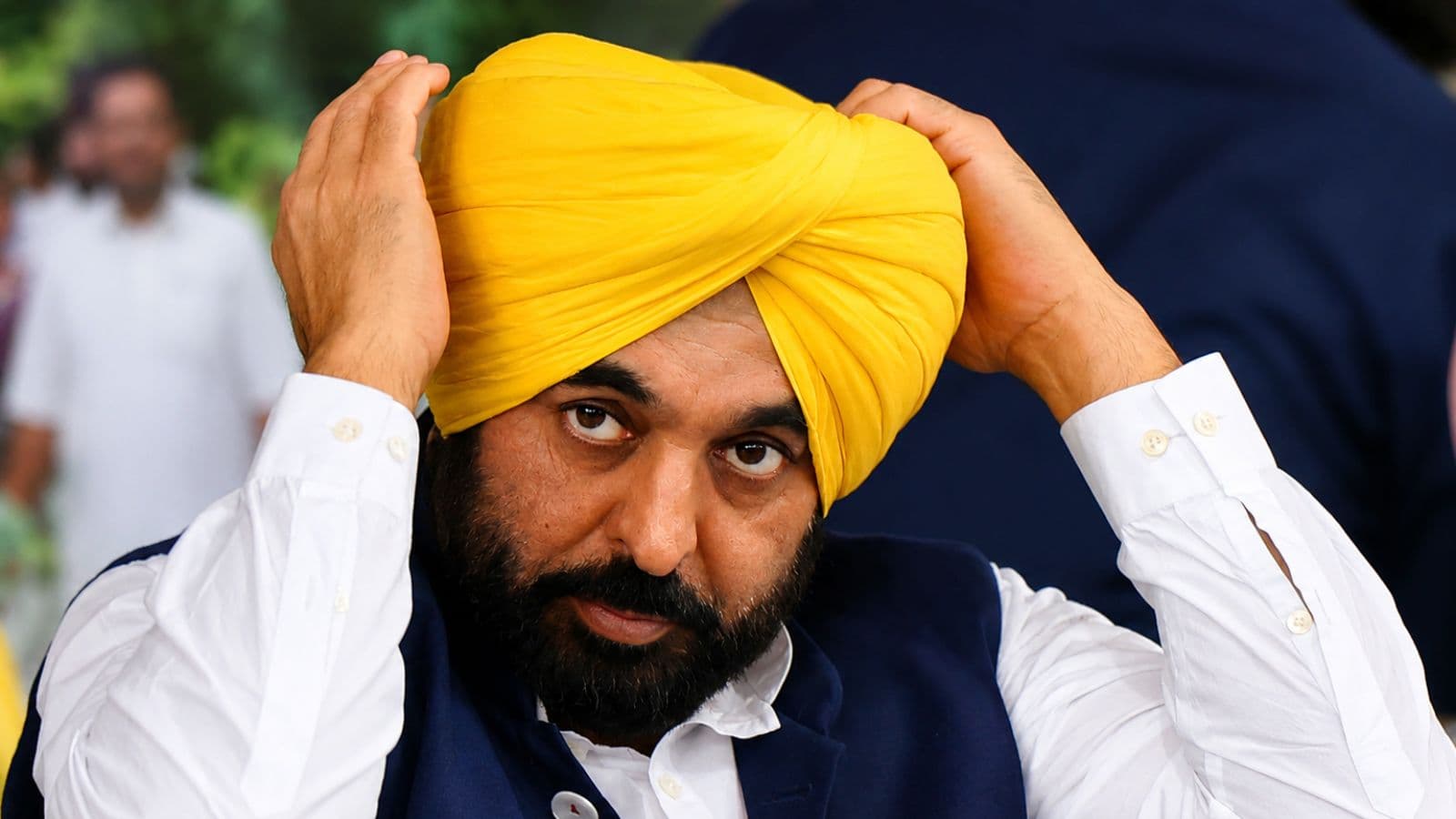
Silence can be louder than speeches. This best describes a senior Aam Aadmi Party leader s conduct after Punjab Chief Minister Bhagwant Mann launched a video attack on the Akal Takht
Silence can be louder than speeches. This best describes a senior Aam Aadmi Party leader’s conduct after Punjab Chief Minister Bhagwant Mann launched a video attack on the Akal Takht. While AAP national convenor Arvind Kejriwal, ministers, and MLAs reposted Mann’s video message, Vidhan Sabha Speaker Kultar Singh Sandhwan stayed away from the social media chorus. As the AAP ecosystem went into overdrive, Sandhwan’s social media handles remained conspicuously quiet. The Speaker, a baptised Sikh, appeared to have decided that discretion was the better part of political survival. After all, unlike party functionaries, he also occupies a constitutional office that demands a degree of restraint. Or perhaps he simply believed that in the middle of a storm, not every sailor needs to blow the whistle. Political circles, of course, were quick to read meaning into the silence. Was it caution, conviction, or simply careful timing? Sandhwan is not saying anything. That may well be the loudest statement made without uttering a single word. Bhagwant Mann’s Nihang optics For a government anxious about how the Akal Takht’s call to socially boycott the chief minister would play out on the ground, symbolism mattered as much as numbers. At the Lok Milni programme in Hoshiarpur, that symbolism arrived in the form of a group of Nihangs. Their presence appeared anything but coincidental. The influence of Hoshiarpur AAP MP Dr Raj Kumar Chabbewal among sections of the Nihang community is well known, and it appeared to have come in handy at a politically delicate moment. Spotting the blue-robed warriors, Mann’s face lit up. “Guru ki laadli fauj baithi hai (The Guru’s beloved army is here),” he quipped with a broad smile. The message was unmistakable. Even as the Akal Takht had branded him a Sikh dokhi and panth virodhi (hostile towards the Guru, opposed to the Khalsa panth), Mann wanted to signal that not every section of the Sikh community had abandoned him. In politics, sometimes a handful of blue turbans can speak louder than a thousand words. Dr Dharamvira Gandhi’s ‘someone big’ claim Dr Dharamvira Gandhi, Congress MP for Patiala, briefly stirred the political pot with a social media post about the delay in appointing a new state Congress president before quietly deleting it within hours. Without naming anyone, Gandhi claimed that “someone big” had been trying to stall the change in the Punjab Pradesh Congress Committee (PPCC) leadership by warning the party high command that replacing the incumbent could trigger a rebellion. “Kise vadde vallon Congress party andar kise vi hath badal hon ‘te, party andar baghawat da darawa de ke sangathan di punar surjeeti nu phir talan di koshish ho rahi hai (There is an attempt by some senior leaders within the Congress to once again delay the party’s organisational revival by invoking the spectre of rebellion in the event of any change of guard within the party),” Gandhi wrote in Punjabi. The post came amid intense speculation over a change in the PPCC leadership. However, after senior Congress leaders reportedly intervened, Gandhi deleted it, lending further intrigue to the uncertainty surrounding the state unit. Summer’s over, according to Punjab government The Punjab government seems to have declared the end of summer, even if the weather refuses to cooperate. With El Niño driving temperatures higher across the globe and the monsoon still playing truant in Punjab, the decision to restore office timings from 9 am to 5 pm from July 1 has left many scratching their heads. The 7 am-1.30 pm schedule was introduced to help people beat the heat while reducing power consumption. It did achieve one thing with clockwork precision. Air-conditioners were switched off at 1.30 pm, and government offices emptied soon afterwards. The downside, officials admit, was that public dealings and official meetings suffered, with little time left for coordination after field visits. Perhaps administrative convenience has finally trumped climatic reality. Or maybe the government knows something the weatherman doesn’t. Until the monsoon arrives, however, Punjab’s officials may have to brace for long, hot afternoons once again.