Can Smartphones Cause Cancer Oncologist Explains What Radiation From Phones Actually Means For Your Health
Hindustan Times
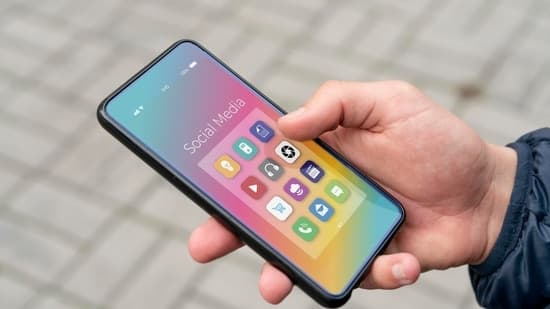
But this also raises the doubt whether it increases cancer risk, as phones are already known to emit a certain type of radiation. So, what does this mean for your health?
Addressing these doubts, Dr Amit Chakraborty, head and neck surgical oncologist at SSO Cancer Hospital, weighed in with his expert insights in an interview with HT Lifestyle.
Let's understand the science behind the common belief that smartphones cause cancer.
The oncologist answered that yes, mobile phones do emit radiation. But understanding of the type of radiation is imperative. Dr Chakraborty described the radiation type, “Phones do emit RF (radio frequency) energy, which is a type of non-ionising radiation. This is different from the type of radiation which is known to be damaging to human DNA and to pose a risk for developing cancers (ionising radiation such as X-ray and gamma-ray radiation).”
To put it simply, the doctor meant the type of radiation known to increase cancer risk is the one that can damage or alter DNA. The radiation emitted by mobile phones is not that kind.
Answering this question, Dr Chakrobaorty referred to the broad consensus among researchers and studies conducted globally. He remarked that large studies involving thousands of people, along with reviews by international health agencies, have not found any concerns or consistent proof that mobile phone use makes people more susceptible to brain cancer or other common cancers.
However, this does not negate questions about unprecedented technological development that comes at the cost of human health. The oncologist warned about 5G advancements, “Technological advances from 2G to 5G and beyond will continue to generate research on long-term health effects of technology.”
The scrutiny of everyday items and food, whether they emit radiation or contain carcinogenic ingredients, is widespread now. From social media to word of mouth, such beliefs spread very quickly. However, the oncologist asserted that many people tend to fixate on things that have little, while they do not pay as much attention to the ‘well-established risks.’
Outlining the direct risks, Dr Chakraborty noted, “The well-established cancer risk factors include tobacco use; obesity; excess consumption of alcohol; lack of physical activity; and not getting screened on time.”
So, to sum up, he reiterated that right now, no definitive data is showing that people who use cellular telephones daily have an increased chance of developing cancer.
Note to readers: This article is for informational purposes only and not a substitute for professional medical advice. Always seek the advice of your doctor with any questions about a medical condition.