Delhi Central Ridge Tree Plantation Ecological Mismatch Exotics
Indian Express
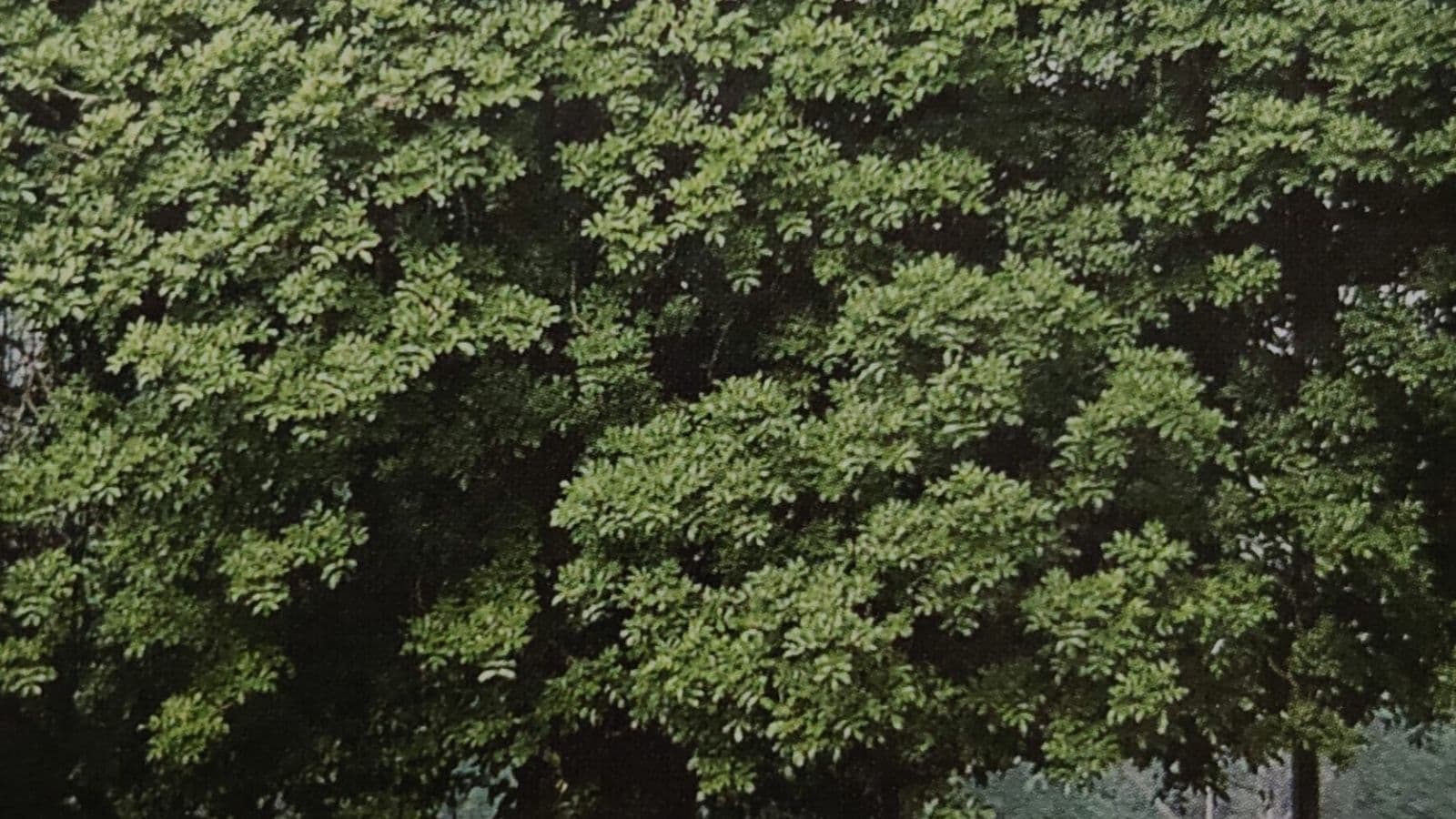
With June about to end, Butea monosperma commonly known as dhak or flame of the forest has entered its fruiting season.
With June about to end, Butea monosperma — commonly known as dhak or ‘flame of the forest’ — has entered its fruiting season. The tree’s fiery orange-red blossom gives way to broad, papery seed-pods that will soon disperse with monsoon. It is a characteristic species of Delhi’s dry deciduous forests and among the first trees to naturally regenerate degraded landscapes. Yet it represents only part of the recent plantation choices on the Capital’s ecologically sensitive Ridge.
An analysis by The Indian Express of plantation records from the Delhi Forest and Wildlife Department, covering drives over the last four years in Central Ridge, shows that out of at least 22 species planted, only seven are characteristic Ridge species. Nine, or nearly half of them, are considered unsuitable for the Ridge ecosystem, including three exotics. Six are native species not naturally found in the Ridge but considered only marginally adaptable under sustained irrigation and nutrient input. The Central Ridge stretches across 864 hectares, covering Dhaula Kuan, Sardar Patel Marg to Mandir Marg, institutional zones, and stretches of Inderpuri and Naraina industrial edges.
The Indian Express reached out to the Forest Department in this regard but did not get a response.
Species lists from Central Ridge plantation drives between 2021 and 2025 include a limited set of Ridge-appropriate natives such as dhak (Butea monosperma), khair (Acacia senegal), Holoptelea integrifolia, and Cassia fistula. These species are naturally adapted to dry deciduous conditions and form part of the historical Aravalli-Ridge assemblage. However, a significant share of planted species fall outside this ecological range.
Exotic species include Sausage tree (Kigelia africana), Jacaranda (Jacaranda mimosifolia), and Jungle Jalebi (Pithecellobium dulce). Others such as Kadamba (Neolamarckia cadamba), Kachnar (Bauhinia variegata), and Bakain (Melia azedarach) are not characteristic of Ridge ecosystems and typically require higher moisture availability. A third category includes native Indian species that are not naturally part of the Ridge ecosystem, such as banyan (Ficus benghalensis), Peepal (Ficus religiosa), Semal (Bombax ceiba), and Bael (Aegle marmelos). While ecologically versatile, these species belong to different forest types.
Environmentalist and author Pradip Krishen cautions against treating “native” as a uniform category. “Contractors tend to pick species that are convenient, easily available in bulk rather than species that are actually appropriate for a specific landscape like the Ridge,” Krishen told The Indian Express. “Native is a highly misleading term. What grows in one part of Delhi at the Yamuna khadar or other moist alluvial systems cannot be assumed to be suitable for the Ridge, which is a dry, rocky ecosystem with very different soil and moisture conditions,” he said.
In Trees of Delhi, his book, Krishen has said that species such as Kanju (Holoptelea integrifolia) is noted as drought-tolerant pioneers of disturbed, well-drained habitats, while others like amaltas (Cassia fistula) and dhak can adapt to dry deciduous forest conditions.
Both Jacaranda and Jungle Jalebi can compete with the native dry deciduous forest species. These are exotic species which were introduced from their origin countries (see box). Some of these are ornamental in nature and hence, ecologically weak for restoration and mainly are an aesthetic plantation species. Bakain is a naturalised exotic. Even when it is fast-growing but short-lived, it tends to dominate disturbed areas and displace slower native regenerating species.
Other plantation species included Gamhar (Gmelina arborea) which is a moist forest species and performs poorly in dry, rocky ridge terrain and is left often stunted in Delhi conditions.
Similarly, Chamrod (Ehretia laevis) recognized by its white, star-shaped flowers and pale, knobbly trunk although is very common in East Aravallis and drought-hardy, but its strong root-suckering habit can create unmanaged spread in restoration plots and needs careful placement.
Found commonly in Delhi avenues with voluptuous blooms of scarlet flowers, Semal is a dry deciduous and moist forest species that is reasonably drought-hardy. It thrives best where soils can retain moisture, near rivulets or streams.
Meanwhile, the Forest and Wildlife Department in an official statement on June 22, maintained that a large scale plantation programme in the Southern Ridge is underway wherein ecological restoration principles are being followed, with “scientifically designed interventions, careful species selection, regular monitoring and long-term maintenance practices,” and a focus on “native and ridge-specific species.” It added that this was part of a larger Aravalli restoration plan involving over 10 lakh native trees across degraded landscapes in the Asola Bhatti Wildlife Sanctuary and surrounding Ridge areas.