Congress Machinery Rahul Gandhi Task 2029 Lok Sabha Elections
Indian Express
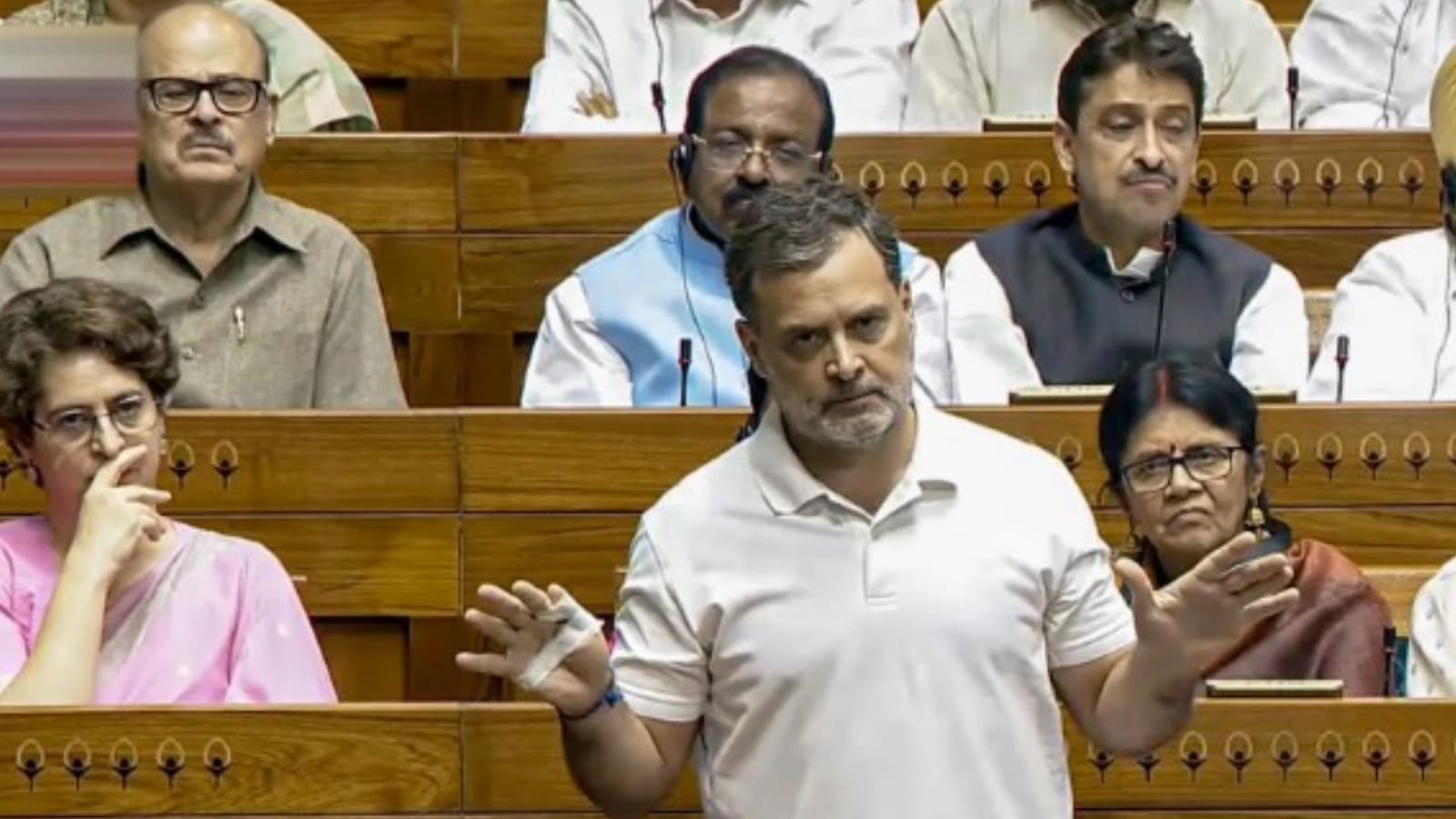
Rahul Gandhi completed two years as Leader of the Opposition (LoP) in the Lok Sabha Friday, with his tenure so far remaining eventful and marked with various rows, during which he also seemed to...
Rahul Gandhi completed two years as Leader of the Opposition (LoP) in the Lok Sabha Friday, with his tenure so far remaining eventful and marked with various rows, during which he also seemed to have cemented his position as a key challenger to Prime Minister Narendra Modi.
When Gandhi, 56, took over as the LoP in June 2024, there were indications of changed power equations in national politics in the wake of the Lok Sabha elections in which the Congress bagged 99 seats as compared to 52 in the 2019 elections, while the BJP’s tally came down to 240 from 303, forcing it to depend on its NDA allies for a majority.
Gandhi’s first speech in the House as the LoP on July 1, 2024, reflected this shift in power dynamics as he repeatedly took potshots at Modi, which riled up the Treasury benches, prompting the PM and his senior Cabinet colleagues, including Rajnath Singh and Amit Shah, to intervene and counter him.
Since then, Gandhi has emerged as a fiercely vocal critic of the Modi government with confrontations between him and the ruling camp and even Speaker Om Birla becoming a regular feature of the Lok Sabha proceedings.
Led by the Congress, the Opposition INDIA bloc has on several occasions forced the government’s hand into conceding its demands for discussions on some major issues such as Operation Sindoor and the Election Commission (EC)’s measures for polls and voter rolls.
Even those within the Congress who initially doubted Gandhi’s leadership have started coming round to the idea of seeing the 2029 Lok Sabha elections as essentially a face-off between him and Modi.
With most of the regional party heavyweights, including Trinamool Congress chief Mamata Banerjee and DMK president M K Stalin, facing defeats in their states and struggling to keep afloat, Gandhi is likely to emerge as the INDIA alliance’s principal leader in the run up to the 2029 battle.
His party however seems to be no match to the BJP when it comes to winning elections – something that many Congress leaders acknowledge. “Yes, Rahul Gandhi has emerged as someone who can stand his ground and push the government to the back foot in the House, but we have to match the BJP in elections to get a taste of success. Our organisation and the election machinery are still lagging behind and that is something even Gandhis know,” said a Congress Working Committee (CWC) member.
Gandhi’s LoP stint has also been defined by, among other things, his campaign against “vote chori” through which he has taken on Chief Election Commissioner (CEC) Gyanesh Kumar and the EC while alleging that they were “hand in glove” with the BJP in “stealing elections” from the Opposition. Since August 2025, Gandhi has held a series of press conferences to highlight alleged electoral irregularities. He also led a Voter Adhikar Yatra in Bihar before the November 2025 Assembly polls.
While the issue of “vote chori” barely cut any ice with the masses, Gandhi’s bid to project the EC as a “compromised” body has still continued, as indicated by his speech at a recent INDIA bloc meeting in Delhi, where he again accused the BJP of winning polls allegedly through “vote theft”.
The BJP juggernaut has however continued to roll since its Lok Sabha poll setback, even as the Opposition has had a dismal electoral run.
The Congress lost its momentum just a few months after the general elections as it lost the Haryana polls in October 2024, which was attributed to infighting and factionalism in its state unit. Subsequently, the Congress suffered losses in the Assembly elections in multiple states including Maharashtra, Delhi, Bihar, Assam and West Bengal. The only state where the party won was Kerala, even as it allied with the National Conference (J&K), JMM (Jharkhand), and Vijay-led TVK (Tamil Nadu) to be part of their state governments.
The Congress’s losing streak in state elections is cited by observers as a major hurdle in Gandhi’s attempt to become a formidable challenger to Modi, even as he steps up his preparations for a grand electoral face-off.
While the Congress has been struggling to put its act together, Gandhi is widely seen to have emerged as the most consistent voice against the government on a host of issues concerning youths, farmers, vulnerable groups like Scheduled Castes (SCs), Scheduled Tribes (STs), Other Backward Classes (OBCs), and minorities.
He has been championing the cause of social justice, pitching for a national caste survey to ensure equitable representation of backward and oppressed communities in various power structures.
One of Gandhi’s recurring themes has been his allegations regarding the subversion of the Constitution and democracy and the “capture” of institutions such as the EC, educational bodies and central agencies by the ruling dispensation.
Gandhi’s recent campaign over the “rot in education system” and paper leaks in academic and recruitment exams highlighted his increased focus on youths and students in a bid to tap into their perceived discontent over such irregularities and unemployment. He recently held his first student convention on the issue in Kota, planning to address similar conventions in different parts of the country in the coming days.
Given the BJP’s massive expansion across the country, Gandhi’s task is clearly cut out as he tries to make his mark on national politics while looking to spearhead the Congress’s 2029 campaign decisively.
Asad Rehman is with the national bureau of The Indian Express and covers politics and policy focusin... Read More