Pune Water Crisis Pmc Tanker Standard Operating Procedure Sop Alternate Day Supply
Indian Express
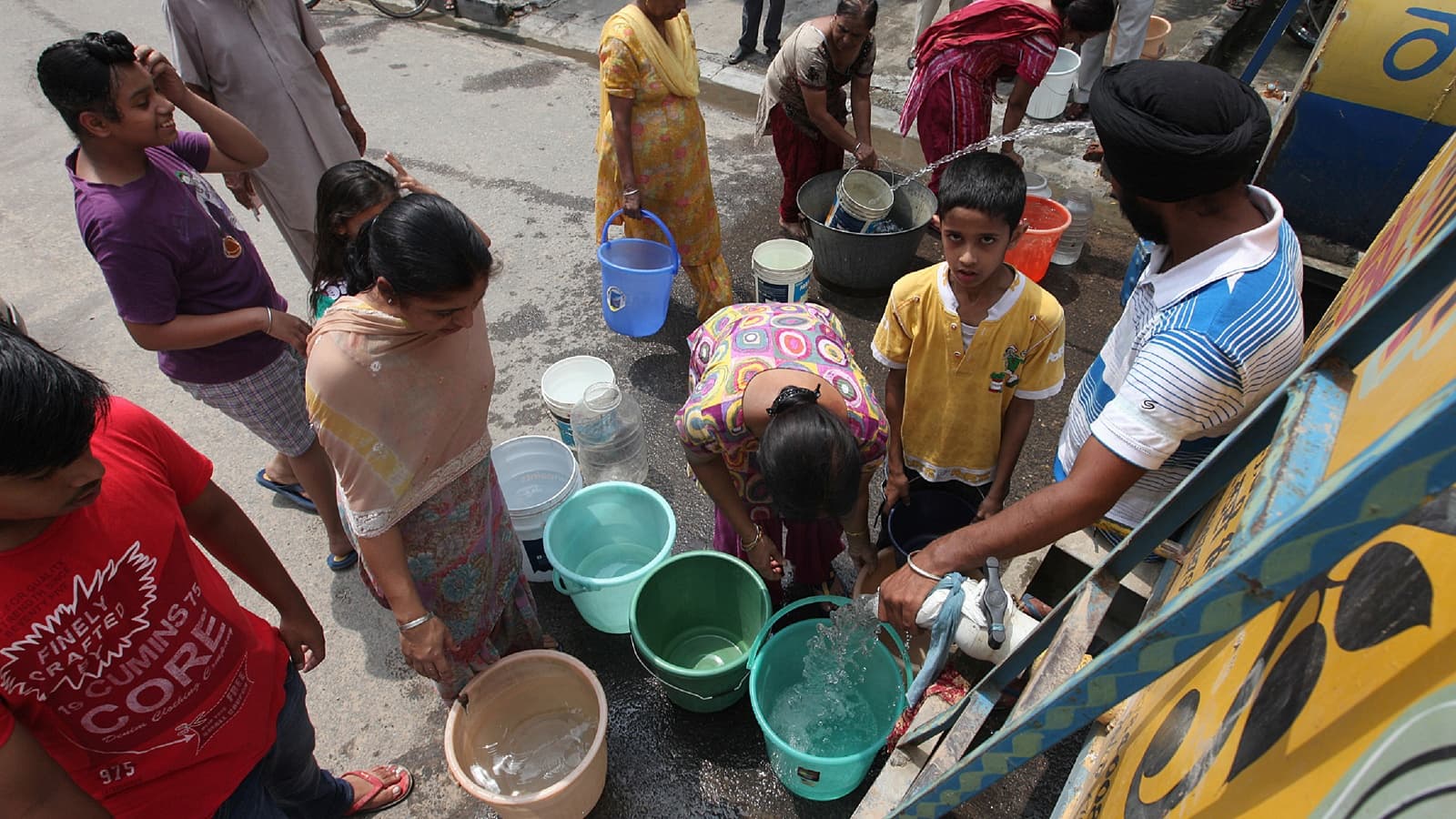
The city's ongoing water crisis took centre stage at a Pune Municipal Corporation (PMC) standing committee meeting on Friday, as chairman Shrinath Bhimale ordered the formulation of a comprehensive...
The city's ongoing water crisis took centre stage at a Pune Municipal Corporation (PMC) standing committee meeting on Friday, as chairman Shrinath Bhimale ordered the formulation of a comprehensive Standard Operating Procedure (SOP) to govern tanker-based water supply. The directive comes nearly two weeks after PMC introduced an alternate-day water supply on June 15, a measure that invited a flood of complaints, with over 1,200 grievances logged so far. Of these, 450 have been resolved, while roughly 750 remain pending. Addressing a press conference, Bhimale outlined the scale of the problem. “We are facing numerous issues – water being sold at inflated rates, delayed tanker arrivals, the deficiency of GPS systems, road accidents, complaints regarding water quality, and a lack of regulation,” he said. He stressed the need to consider all these factors and establish a uniform, effective SOP. With several areas of the city receiving water on alternate days and others dependent almost entirely on tanker supply, the committee’s discussion covered a wide spectrum, from overcharging by private operators to the exploitation of vulnerable residents during peak scarcity. What the SOP will cover As an immediate step, the PMC administration has been directed to place before the standing committee a detailed status report on tanker operations in the city. This includes the total number of PMC and private tankers currently in service, the capacity of tanker-filling stations, authorised rates, accident data, driver credentials, GPS deployment, online booking mechanisms, water quality testing protocols, and information about the control room setup. The proposed SOP addresses both citizen convenience and operational accountability. On the transparency front, the guidelines call for an official rate card to be announced and displayed on every tanker, an online and helpline-based booking system, a mobile application for citizens to track tankers in real time, and strict enforcement of a first-come, first-served supply policy. Safety and driver accountability Road safety has emerged as a parallel concern. The committee has directed that speed limits be imposed on tankers, with stricter norms applicable near schools and hospitals. Tanker drivers will be required to undergo regular training, periodic medical check-ups, and mandatory testing for alcohol and narcotics. All vehicles must be fitted with safety lights, reverse cameras, and alarm systems, while hazardous locations and accident-prone stretches are to be identified and flagged. Water quality under scanner On the quality front, Bhimale announced that every tanker will be required to carry water that has been regularly sampled and chlorinated. Strict action has been mandated against suppliers found distributing contaminated water. Additionally, all private tankers will need to be registered with the PMC, obtain annual fitness certification, and be placed on a publicly accessible list – with a separate registry maintained for rule violators. The committee has also directed the administration to ensure priority tanker supply to hospitals, schools, police stations, and fire stations. A dedicated action plan is to be drawn up for water-scarce zones, and a 24/7 helpline is to be launched for the immediate redressal of tanker-related complaints, with a 24-hour resolution window mandated for each grievance received.