Maithreyi Karnoor Gooday Nagar Book Extraordinary Stories Review
Indian Express
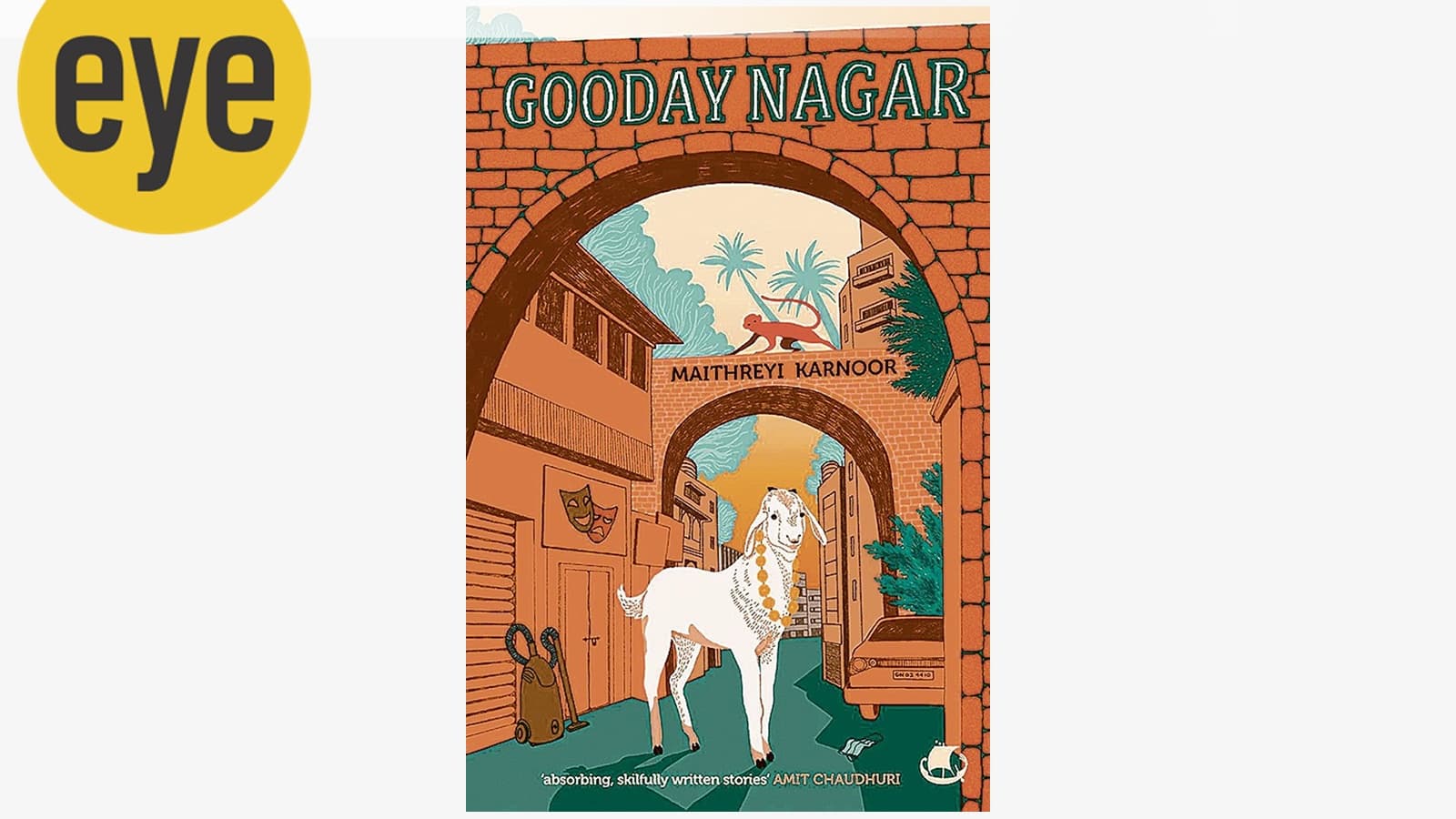
Maithreyi Karnoor s Gooday Nagar is a collection of 10 short stories set around people who are either from or come to the eponymous fictional Indian town.
Maithreyi Karnoor’s Gooday Nagar is a collection of 10 short stories set around people who are either from or come to the eponymous fictional Indian town. The book maps the emotional landscape of its inhabitants from the late ‘90s through the pandemic years — their aspirations, absurdities and conflicts.
Gooday Nagar is reminiscent of RK Laxman’s Malgudi. Like Laxman’s characters, those in Gooday Nagar are also ambitious, jealous and morally questionable; essentially human.
The exact location of Gooday Nagar is never specified. In fact in ‘Return of the Salesman’, the town does not even exist. Through the next nine stories, the town grows but its character alternates between being a provincial town to a metropolis. Eventually, one realises that Gooday Nagar is more of a concept than an actual physical location. It is a idea of a place where the small and the significant coexist, where a vacuum cleaner salesman from the big city can become a quasi-mythic figure, and where a woman jilted by her husband can find solidarity in neighbourhood gossip.
Karnoor understands that it is within the ordinary life that real drama thrives — in the daily rituals, the staple food, the slow-burning disappointments. The residents of Gooday Nagar are largely vegetarians: kheer, dhokla, jowar rotis, and soan papdi appear as often as character names. A mention of meat indicates the story has moved out of the neighbourhood. The divide between those who left for the big city and those who stayed back is also something the author puts to good use, as in ‘Ringa Ringa Roses’.
A circular tale of love and betrayal, the story has a reclusive artist, who abandons his college sweetheart for a younger mentee, at the centre. But it is in the unexpected ways Karnoor ties several other characters to build the narrative that leaves an impact. You don’t see the twist coming. ‘Mapmaker, Mapmaker, Make Me a Map’ is equally memorable. A 12-year old girl with vitiligo is convinced her skin is turning her into a foreigner. Her armour in the discriminatory world is academic excellence, which unfortunately hits a roadblock during the COVID-19 lockdown. The story handles the pandemic with the kind of restraint and precision that a good pandemic fiction demands. In ‘Ladies of Lore’, Karnoor, builds the story around the fragile relationship between a mother and her daughters. As it talks about the generational trauma left behind by the former, it shows how the siblings try to break the cycles for themselves.
What might catch a reader off-guard is the ambiguity of the physical area that the town is placed in. Don’t try to place the pieces geographically. Instead, find meaning in the peripheral, and recognise that the good people of any Indian city, dreaming of better days, navigating pandemic, heartbreaks and the temptations of consumerism, are also the conscience of the nation.