7 Myths About Yoga That You Should Stop Believing
Hindustan Times
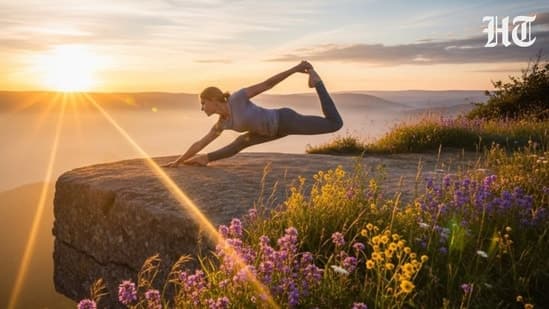
Yoga has become one of the most popular wellness practices worldwide, but there are still many misconceptions about it.
Yoga has become one of the most popular wellness practices worldwide, but there are still many misconceptions about it.
Some people avoid Yoga because they think they are not flexible enough, while others believe it is only meant for a certain group of people. The truth is that Yoga is much more accessible and beneficial than many assume. Whether you are a beginner or someone who has never stepped onto a yoga mat before, understanding the facts can help you approach Yoga with confidence. Here are seven common myths about Yoga and the reality behind them.
Many people think Yoga is simply about sitting quietly or holding a few basic poses. In reality, Yoga can challenge you physically, mentally, and emotionally. It requires strength, balance, focus, and patience. While some classes may feel gentle, others can be surprisingly demanding. The good news is that every challenge helps you grow, making the journey rewarding and worthwhile.
This is one of the biggest myths surrounding Yoga. Historically, Yoga was practiced primarily by men for centuries before it became popular worldwide. Today, Yoga is for everyone, regardless of age, gender, or fitness level.
Many beginners worry that they are too stiff for Yoga. However, flexibility is not a requirement. In fact, Yoga is one of the tools that can help you become more flexible over time. Everyone starts somewhere, and feeling tight or stiff in the beginning is completely normal.
While stretching is certainly a part of Yoga, it is only one piece of the practice. Yoga combines physical movement, breathing techniques, and mindfulness. It helps improve strength, balance, concentration, and overall well-being. It is a complete mind-body practice rather than just a stretching routine.
You do not need to follow a spiritual path to practice Yoga. Yoga can meet you wherever you are in life. Some people use it for fitness, others for stress relief, relaxation, better focus, or mindfulness. You can choose the aspects of Yoga that work best for your personal goals and lifestyle.
Social media may make it seem like you need expensive clothing, accessories, and equipment to practice Yoga. In reality, all you need is your body and a willingness to give it a try. A yoga mat can be helpful, but it is not necessary when you are starting.
Not everyone has an hour to spare every day, and that is perfectly fine. Even five to ten minutes of Yoga can positively impact your day. Small, consistent efforts often bring better results than occasional long sessions. You just have to build a routine that fits your schedule and stick with it.
Disclaimer: This article is for general informational purposes only and should not be considered medical or fitness advice.