Ludhiana Amid Rise In Seasonal Illness Cases Experts Urge Caution
Hindustan Times
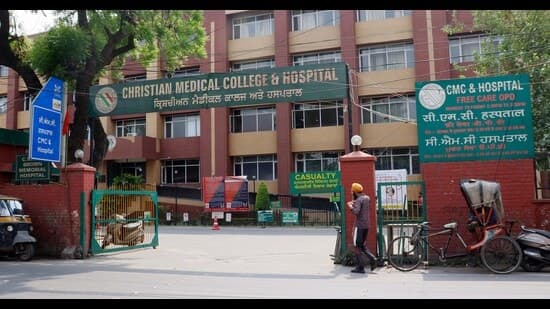
Even as the monsoon has only begun to gain momentum, seasonal illnesses linked to rain, water contamination and mosquito breeding have started surfacing in Ludhiana, prompting doctors to warn...
Even as the monsoon has only begun to gain momentum, seasonal illnesses linked to rain, water contamination and mosquito breeding have started surfacing in Ludhiana, prompting doctors to warn residents against complacency during the coming weeks. Regarding dengue, officials said that although the number of such patients is low at present, the period immediately after the monsoon onset is when mosquito-borne infections typically begin to climb. The health department data shows that Ludhiana has reported three confirmed dengue cases and 21 malaria cases so far this year.
Dr Lydia Solomon, professor of medicine and infectious diseases specialist at Christian Medical College and Hospital, said hospitals usually see a sharp increase in both mosquito-borne and water-borne diseases during the monsoon months. “We have already observed an increase in acute gastroenteritis cases in recent weeks, with some patients requiring hospitalisation because of dehydration and electrolyte imbalance. We are also seeing typhoid cases and have started encountering malaria patients. While mosquito-borne infections are still relatively few, we expect malaria and dengue cases to rise gradually as the monsoon progresses,” she said.
According to district epidemiological data, 2,294 suspected dengue cases have been tested so far this year, of which three were confirmed positive. No dengue-related hospitalisations or deaths have been reported till date. The figure is identical to the number of confirmed dengue cases reported by the end of June last year.
Health experts, however, caution that dengue remains the biggest public health concern during the monsoon because of its outbreak potential and the possibility of severe complications in some patients. “Changing weather patterns are influencing seasonal diseases. We are increasingly seeing infections occurring earlier, lasting longer and sometimes presenting with greater severity than before. Irregular rainfall and prolonged humidity create favourable conditions for mosquito breeding and disease transmission,” Dr Solomon said.
Doctors said children, elderly residents and people suffering from chronic illnesses such as diabetes, heart disease, kidney disease and lung disorders remain particularly vulnerable during the season.
They also warned that water-borne diseases such as typhoid, viral hepatitis and acute gastroenteritis continue to pose a significant risk, especially in areas affected by waterlogging and contamination of drinking water sources.
District Epidemiologist Dr Supreet Kaur said residents should ensure that water does not stagnate in and around their homes and seek timely medical attention if symptoms develop.