Kolkata Neurosurgeon With Over 36 Years Of Experience Explains Brain Tumour Symptoms Often Misread As Migraine Stress
Hindustan Times
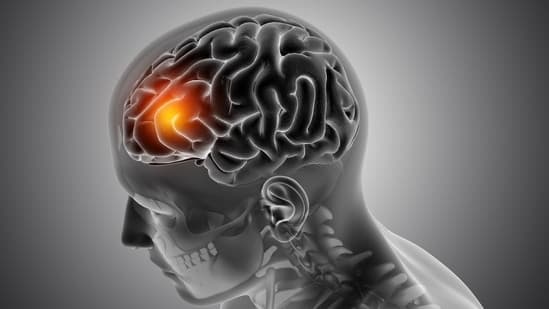
But according to Dr Amitabha Chanda, a veteran neurosurgeon with over 36 years of experience, that instinctual need to normalise our pain is exactly what gives deadlier threats a head start.
"One of the most persistent challenges in brain tumour care is not the lack of treatment options, but the delay in diagnosis," explained Dr Chanda, director of neurosurgery at CK Birla Hospitals, CMRI, Kolkata, in an interview with HT Lifestyle. "In clinical practice, we frequently see that brain tumour symptoms are misread for months before a neurological evaluation is sought," he added.
When a tumour begins to develop, it doesn't always announce itself with dramatic, unmistakable symptoms. Instead, it mimics the mundane exhaustion of daily life. "Persistent headaches, recurrent vomiting, vision disturbances, unexplained seizures, memory lapses, personality changes, difficulty with balance, or progressive weakness in a limb are all symptoms that patients and families tend to rationalise," Dr Chanda warned.
The human mind, he noted, is incredibly adept at finding comfort in familiar diagnoses, even when they don't quite fit: "Headaches are attributed to work pressure or migraine, memory lapses to ageing, and balance issues to general weakness or exhaustion. These explanations feel reassuring and non-threatening, which is precisely why they persist."
This psychological comfort comes at a steep physiological cost. "Unfortunately, by the time these assumptions are exhausted, and imaging is finally done, the disease has often had considerable time to progress," Dr Chanda said.
Beyond the misreading of symptoms, Dr Chanda pointed to a deeper, more systemic barrier: fear. For many, the words 'brain tumour' carry an immediate, terrifying finality that causes them to pull away from medical scrutiny rather than lean into it. "Another factor contributing to delay is the widespread assumption that a brain tumour diagnosis is inherently untreatable or invariably malignant," Dr Chanda observed, adding, "This belief can discourage people from seeking timely medical advice."
It is a misconception he is eager to dismantle. A brain tumour diagnosis is no longer an automatic death sentence. "In reality, many brain tumours are benign, and even among malignant tumours, outcomes vary significantly depending on tumour type, location, and the timing of diagnosis," he clarified, adding, "Early diagnosis does not guarantee a particular outcome, but it significantly expands the range of treatment options available and gives both the patient and the surgical team more to work with."
The tragedy of late diagnosis is compounded by the fact that neurosurgery is currently at the edge of a technological renaissance. Doctors today have tools that their predecessors could only dream of, making surgeries safer and more precise than ever before, Dr Chanda highlighted, saying: "The irony is that neurosurgery today is far better equipped to manage brain tumours than it was even a decade ago. Neuronavigation systems allow us to map the operative field with a level of precision previously unattainable."
Modern operating rooms increasingly resemble science fiction, employing a suite of advanced techniques to protect the patient's core identity and function during surgery, he added: "Intraoperative neuromonitoring, fluorescence-guided surgery, awake craniotomy, and minimally invasive endoscopic techniques have made it possible to operate safely in regions once considered too high-risk for speech, movement, memory, or vision. Increasingly, artificial intelligence is also informing pre-operative planning and helping personalise treatment strategies at an individual patient level."
Yet, for all the artificial intelligence, high-tech mapping, and advanced lasers at a surgeon's disposal, according to Dr Chanda, the most critical variable remains the date on the calendar when the patient first walks through the clinic door. High-tech medicine requires a timely hand-off.
Dr Chanda concluded: "However, these advances deliver the greatest benefit only when diagnosis occurs early. The difference in outcome most often begins when neurological symptoms are investigated promptly rather than repeatedly attributed to familiar, seemingly harmless causes."
He highlighted that saving lives from brain tumours may rely less on inventing the next piece of surgical tech and more on changing how we talk to ourselves about our own pain: "Greater awareness among patients, caregivers, and even clinicians remains a critical step in ensuring that brain tumours are identified when intervention can make the most meaningful difference."
Note to readers: This article is for informational purposes only and not a substitute for professional medical advice. Always seek the advice of your doctor with any questions about a medical condition.
With a keen eye for detail and a heart for storytelling, Sanya is a seasoned lifestyle journalist who has spent over a decade documenting the intersection of aesthetics and substance. Since stepping into the media world in 2012, she has cultivated a career defined by versatility, curiosity, and an unwavering passion for what makes life both beautiful and meaningful. Over the last many years, she has navigated the fast-paced realms of health, wellness, fitness and fashion while pivoting seamlessly into the nuances of decor and travel. Her work often explores the deeper layers of modern living, delving into art and decor trends that transform spaces, insightful perspectives on gender, parenting, and mental health, immersive travel narratives that capture the essence of a destination. A self-proclaimed aesthetics enthusiast, Sanya doesn't just report on trends — she analyses them. Whether she’s identifying the next shift in fitness or discovering a breakthrough in design, she uses her platform to spark meaningful conversations that resonate with a contemporary audience. Sanya is an alumna of St. Xavier’s College, Kolkata, and the Asian College of Journalism (ACJ), Chennai, where she honed the investigative rigour she brings to her lifestyle reporting today. When she isn't chasing deadlines or conducting interviews, Sanya practices what she preaches. You’ll likely find her sipping matcha, practicing yoga, or scouting the newest cafes. Above all, she finds her balance in nature — whether it's a quiet hike or a moment of reflection in the outdoors, she remains constantly inspired by the tranquillity of the natural world.Read More