How A Missed Deadline Freed 4 Doctors From Compulsory Service At Naxal Affected Chhattisgarh Districts
Indian Express
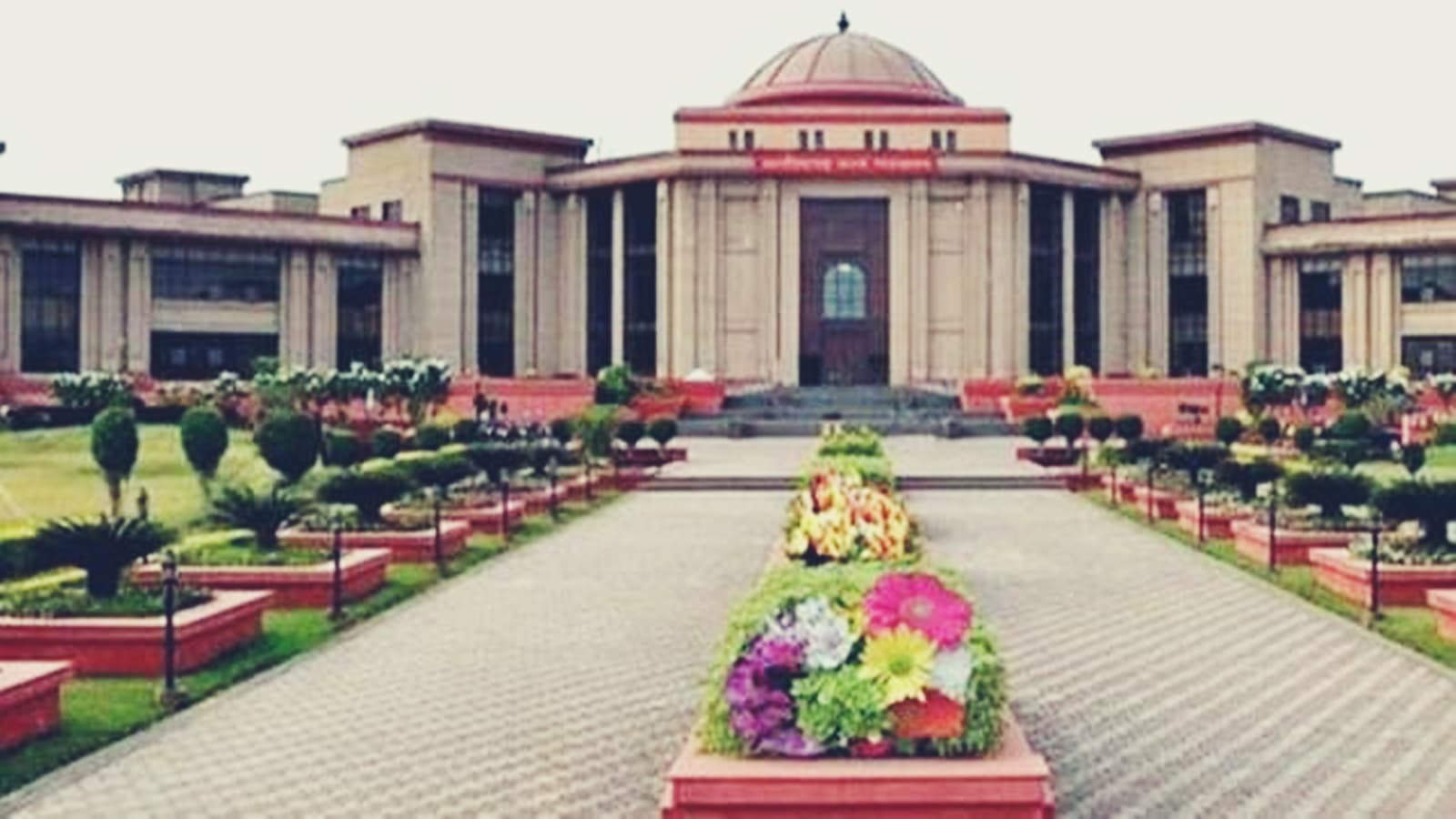
Four MBBS graduates who were required to serve for two years in the Naxal-affected districts of Bijapur and Narayanpur under Chhattisgarh s compulsory service bond policy have been relieved of that...
Four MBBS graduates who were required to serve for two years in the Naxal-affected districts of Bijapur and Narayanpur under Chhattisgarh’s compulsory service bond policy have been relieved of that obligation after the Chhattisgarh High Court ruled that the state government failed to issue their appointment orders within the period prescribed by law.
In an order passed on Thursday, Justice Amitendra Kishore Prasad held that the service bonds executed by the petitioners stood “automatically cancelled” after the state failed to appoint them within six months of completion of their MBBS course and internship, as mandated under Rule 10(vi) of the Chhattisgarh Medical, Dental and Physiotherapy Undergraduate Admission Rules, 2025.
The four petitioners, represented by advocate Ashutosh Mishra, had completed their MBBS from the Chhattisgarh Institute of Medical Sciences in 2024 and their compulsory rotating internship in May 2025.
At the time of admission, they had signed bonds undertaking to serve the state government for two years after graduation. However, they argued that the admission rules clearly required the government to issue appointment orders within six months of completion of the course and internship, failing which the bond obligation would automatically lapse.
Since no appointments were issued by November 2025, the petitioners sought cancellation of the bonds, issuance of no-objection certificates (NOCs), and release of their MBBS degrees.
The dispute arose after the Health Department initiated counselling for compulsory government service on December 8, 2025, and subsequently issued appointment orders on December 24, posting the graduates to health facilities in Bijapur and Narayanpur.
Opposing the plea, the state government argued that the petitioners were attempting to evade obligations voluntarily undertaken at the time of admission after benefiting from subsidised medical education in government institutions.
The state submitted that the bond policy was aimed at addressing the acute shortage of doctors in rural and remote areas, particularly in government hospitals and primary health centres, and ensuring that graduates rendered public service in return for state-supported education.
The government further contended that the petitioners had participated in the counselling process and were therefore bound by the appointments. It argued that failure to join service would make them liable to pay bond amounts of Rs 25 lakh for unreserved category candidates and Rs 20 lakh for reserved category candidates.
Rejecting the state’s arguments, the High Court held that the six-month deadline under the admission rules was mandatory.
“This Court has no hesitation in holding that since the respondents failed to issue appointment orders to the petitioners within a period of six months from the date of completion of MBBS course and internship, the bonds executed by the petitioners stood automatically cancelled by operation of law,” the court said.
The court further held that the appointment orders issued on December 24, 2025, after the expiry of the statutory period, were “unenforceable and of no legal consequence”.
Jayprakash S Naidu is a Principal Correspondent for The Indian Express, currently serving as the state correspondent for Chhattisgarh. With an extensive career in frontline journalism, he reports on the political, security, and humanitarian landscape of Central India. Expertise and Experience Specialized Conflict Reporting: Jayprakash is a leading voice on the Maoist/Naxalite conflict in the Bastar region. His reporting provides a critical, ground-level view of: Internal Security: Tracking high-stakes encounters, surrender programs for senior Maoist leaders, and the establishment of security camps in formerly inaccessible "heartland" villages. Tribal Rights & Displacement: Investigative reporting on the identity and land struggles of thousands of displaced tribals fleeing conflict zones for neighboring states. Governance & Bureaucratic Analysis: He consistently monitors the evolution of Chhattisgarh as it marks 25 years of statehood, covering: Electoral Politics: Analyzing the shift in power between the BJP and Congress and the impact of regional tribal movements. Public Policy: Reporting on landmark infrastructure projects (e.g., mobile connectivity in remote zones) and judicial interventions, such as High Court rulings on civil and family law. Diverse Investigative Background: Prior to his current focus on Chhattisgarh, Jayprakash held reported from Maharashtra, where he specialized in: Crisis & Disaster Management: Notable for his extensive coverage of the Cyclone Tauktae barge tragedy (P-305) and the COVID-19 pandemic’s impact on frontline personnel. Legal & Human Rights: Investigative pieces for platforms like Article-14, focusing on police accountability and custodial deaths across India. Environmental & Social Justice: Authoritative reporting on the Hasdeo Aranya forest protests and the approval of major tiger reserves, highlighting the tension between industrial mining and environmental preservation. ... Read More