Can Women Trying To Conceive Drink Coffee Fertility Expert Explains The Safe Limit
Hindustan Times
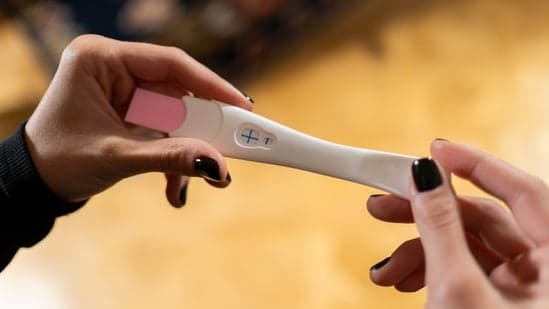
But even away from the celebrity spotlight, women are trying to conceive and deal with several problems beyond age-related factors.
They may be tracking ovulation, eating better, taking supplements and still feeling anxious about why pregnancy is not happening.
Fertility, in reality, is complex and depends on many factors, and one habit alone does not influence it. However, diet and lifestyle still play an important role, as they can affect hormonal balance. Since conception is closely linked to reproductive hormones, it is critical to recognise what to consume safely and what they may need to be careful about.
Among the many everyday habits, caffeine consumption is very common. But how much coffee should a woman trying to conceive drink? To understand this better, Dr Snehal Kohale, fertility specialist at The OVA Care, Thane, explained whether coffee consumption is safe for women trying to conceive.
“I often explain to my patients that the female body is extremely intelligent,” in an interview with HT Lifestyle, the doctor reminded that the body actually reads what is going around, both internally and externally and then decides whether they are suitable for reproductive functions like ovulation.
Then she went on to describe how the nervous system is always scanning whether the body feels stressed, exhausted or suffering from any kind of imbalance, which then affects ovulation.
When stress hormones, like cortisol, remain high for too long, they interfere with reproductive functions.
“Drinking 2-3 strong cups of black coffee daily may not directly 'cause infertility,' but in women already experiencing cortisol dysregulation, it can sometimes amplify symptoms like anxiety, sleep disruption, elevated heart rate, irritability, and hormonal imbalance,” the expert mentioned, who needs to be careful.
Anyway, coffee is stimulating, so someone who is already anxious or suffering from sleep deprivation may be putting too much on their plate, especially if they are also trying to conceive.
So automatically, coffee is not the main problem, but if you are already stressed during this time, then it may disrupt your functioning. Coffee alone does not cause infertility. Fertility is very complex, but excess caffeine consumption when you are emotionally very vulnerable may affect your hormones, which may have a chain effect on the successful outcome of conception.
Stick to your regular caffeine intake, and if you are stressed during the conception planning window, consider slightly cutting it back.
Dr Kohale observed that stress disturbs the body's balance. So women who are trying to get pregnant should not only track fertility with medicines, scans and an ovulation calendar, but also through lifestyle habits.
“What I see clinically is that chronic stress and cortisol imbalance are now playing a major role in worsening hormonal health among young women today. The positive side is that early lifestyle correction, stress management, and proper medical support can significantly improve long-term reproductive and metabolic health.”
Note to readers: This article is for informational purposes only and not a substitute for professional medical advice. Always seek the advice of your doctor with any questions about a medical condition