Mexico Cricket Revive Prisons Empire Brought It Revolution Killed It
Indian Express
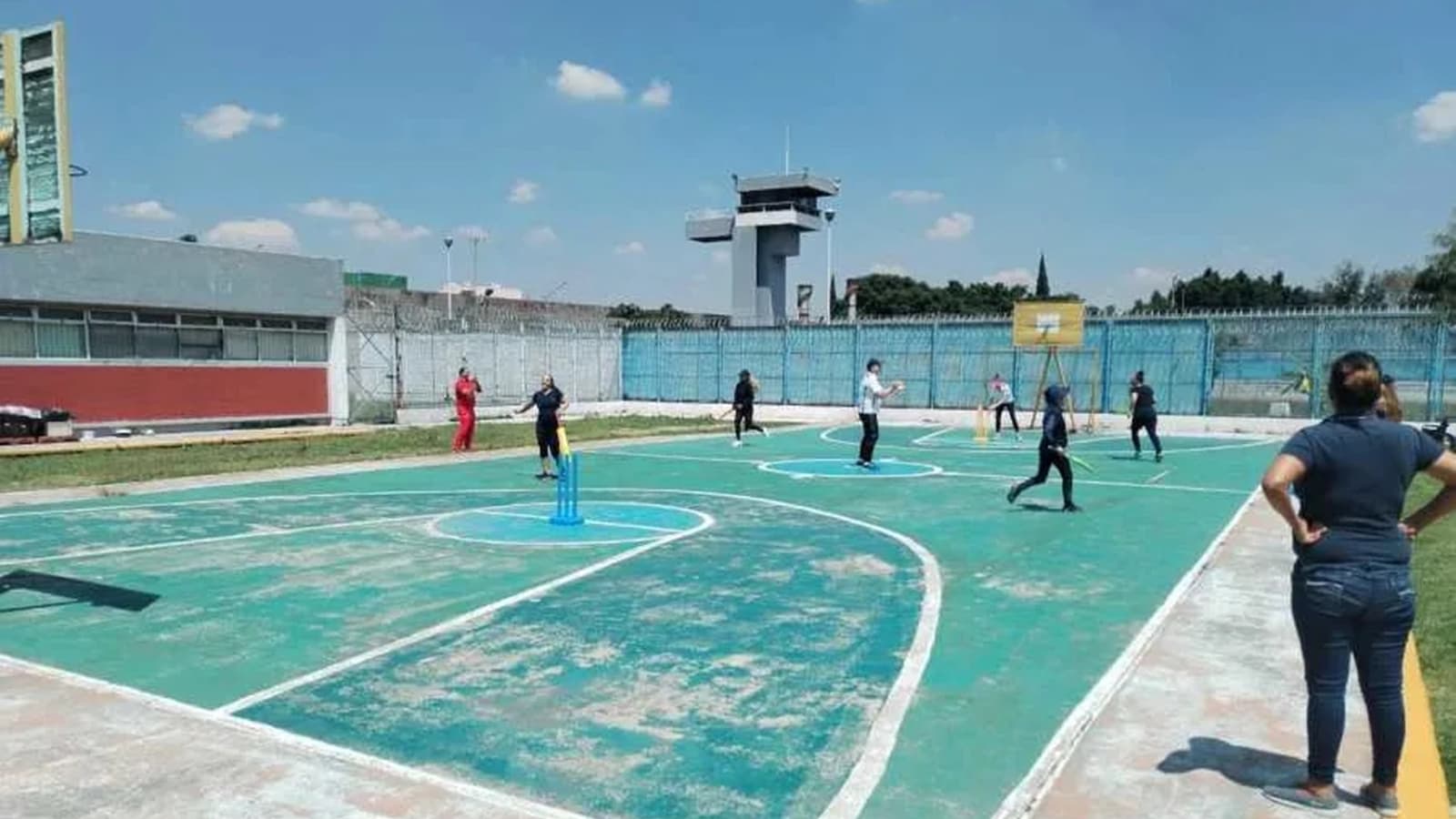
A sport that left with the last batch of British settlers after the First World War, cricket has found a new address in Mexico. It is in its prisons
.
Under an initiative by Mexico’s National Commission for Physical Culture and Sport, the game is now being played in four low-to-medium security prisons. The commission’s reasoning was straightforward: cricket, they believed, would instil discipline in the inmates.
They had only heard of the sport two years earlier. Mexico City hosted the ICC Americas Women’s T20 regional qualifiers in 2021, and the sports ministry was invited to watch. A few months later, Craig White, secretary of the Mexican Cricket Association, found himself in a presentation with Eduardo Acevedo, chief of the National Commission. Acevedo proposed cricket as part of the prisons’ physical activity programme on the spot.
Within a week, MCA volunteers were inside the prison compounds — explaining rules, teaching technique, telling inmates to respect the umpire “like their warden.” Basketball courts became makeshift pitches. Barren land was turned into small grounds. Inmates began looking forward to breaks when they could play.
“It was a great experience for all of us,” says White. “Not only spreading the game but hearing that it was making a difference in their lives. Just talking to them, understanding their lives and realities — it was a big experience.”
One detail caught the commission’s attention early. In cricket, the umpire’s decision is final and is never questioned. “They liked that discipline element,” says White. In a country where football referees once went on strike over player behaviour, the appeal of a sport built on unquestioned authority made a certain kind of sense. “Cricket is teaching prisoners how to relate to each other, be respectful and disciplined, as well as allowing them to exercise,” says Acevedo. “It’s not like other sports which provoke rivalry and violence.”
In one prison, inmates have started making their own bats. “To get prison inmates manufacturing bats in carpentry lessons is another goal of ours,” says Acevedo. “It teaches valuable skills.” Women prisoners are playing too — when released, they can take the game to their communities, teaching it, earning from it. Acevedo hopes to extend the programme into high-security prisons, where cartel bosses and their lieutenants are held.
The improbability of all this makes more sense once you know the history.
Cricket arrived in Mexico with British settlers in the 19th century, not as a working man’s game but as a marker of class and empire. Like football, it was introduced by Cornish miners from Scotland. But where football became the sport of the masses, cricket remained the preserve of the elite. There are records of it being played as early as 1827 — before football, before baseball, before boxing had taken root. In the archives of the Biblioteca Vasconcelos, there is a black and white photograph of Emperor Maximilian, the Austrian archduke who ruled Mexico for three years, playing a Sunday game. Two years later, he was captured and shot by the republican forces of President Benito Juárez. The photograph remains. The empire did not.
Some of them returned after the Second World War. But by then, football had become the opium of the masses. It never gave it back.
Outside the prison walls, cricket survives in Naucalpan, in the northwest of Mexico City, played on a ground squeezed between two football pitches. The MCA has one turf wicket and two nets. Everything has to be imported — bats, pads, balls. “There are no sports shops that sell cricket gear here. It’s expensive, and ours is a volunteer-run organisation,” White says. The players are mostly South Asians and British expats. White himself is one: a Yorkshireman who fell in love with the game watching the 2005 Ashes, came to Mexico for the British embassy, stayed for an NGO, and never quite left. One local Mexican junior has caught his eye. White does not say much about him, but the way he mentions it suggests he has been waiting for exactly this.
Cricket came to Mexico with the British, left with them, and survived only in archives and memory for the better part of a century. That it has come back at all is strange enough. That it has come back in prison yards, with inmates learning to bat and build bats in the same lesson, is the kind of detail that the sport’s long, wandering history somehow makes feel inevitable.
Stay updated with the latest sports news across Cricket, Football, Chess, and more. Catch all the action with real-time live cricket score updates and in-depth coverage of ongoing matches.