Cbi Seeks Time As Swaminarayan Chairman Murder Convict Pushes For Release
Indian Express
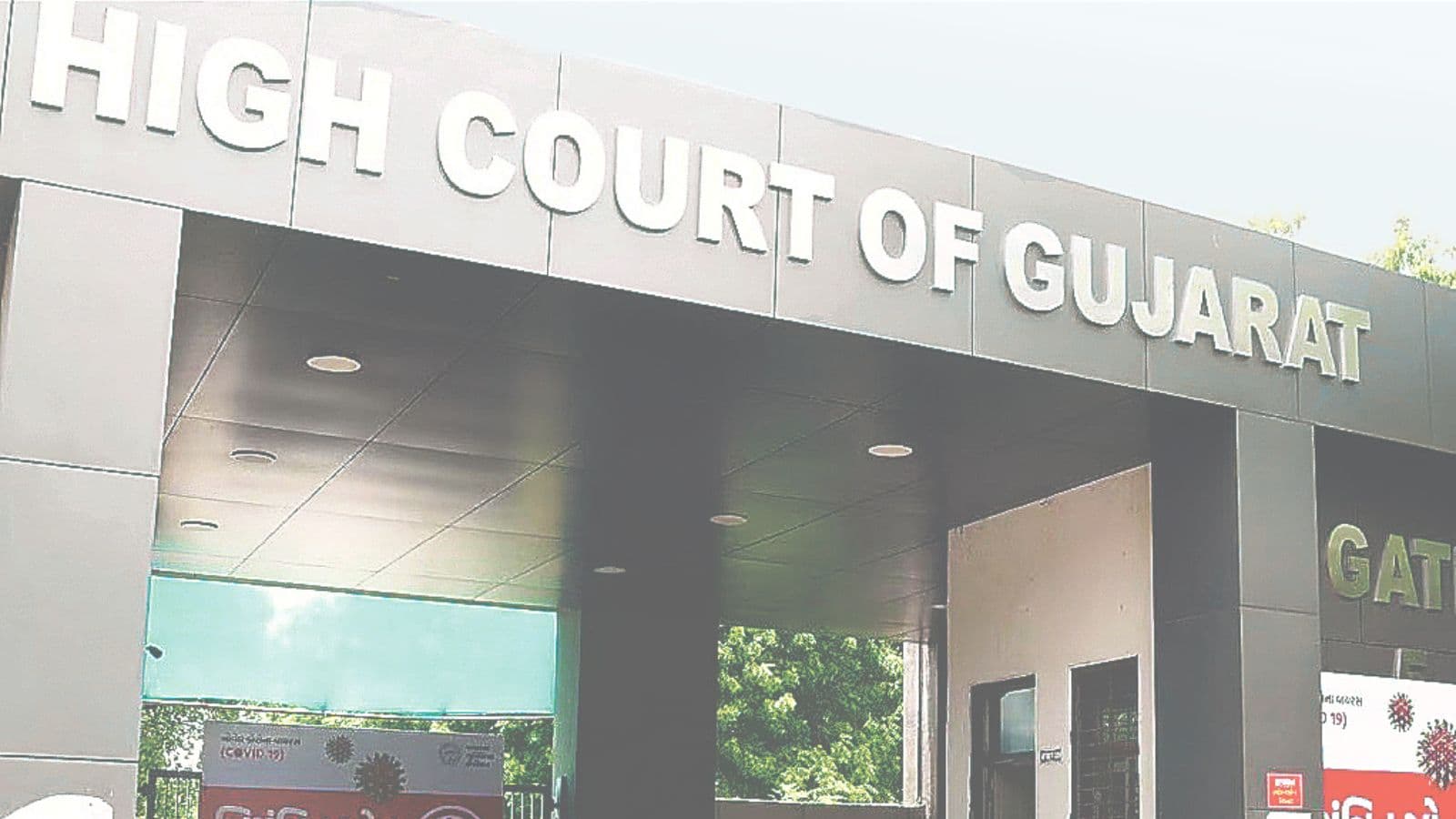
The Central Bureau of Investigation (CBI) Thursday sought time before the Gujarat High Court to file its formal response to a premature release petition moved by Narayan Shastri Guru Omprakashdas, a convict in the 1998 murder of Vadtal Swaminarayan Temple Boar
d chairman Guru Gadadharanand. Shastri is seeking remission of his life sentence on the grounds that he is now 70 years old and has spent over 17 years in prison.
Justice M R Mengdey of the Gujarat High Court granted time to the CBI until July 22 to file a reply in Shastri’s petition, following directions from the Supreme Court. In April 2026, the top court had disposed of Shastri’s Special Leave Petition, directing him to file a fresh writ petition before the Gujarat High Court, explicitly instructing the high court to “look into the same expeditiously in accordance with law”.
The counsel appearing for CBI informed the court Thursday that the Centre had not granted its approval to Shastri’s premature release on an earlier occasion. The counsel said, “As per the provision, the concurrence of the Central government would be required… When we asked for the first time, it was not granted… This petition is preferred… will have a word with the Central government counsel…”
The high court also extended the parole granted to Shastri until the next date.
The prosecution has said Shastri, the prime accused in the murder, and other key administrators of the temple managed significant financial interests and held powerful positions within the sect during the time when Gadadharanand was the chairman.
The murdered seer had initiated plans to transfer certain temple officials, including the accused. As per the prosecution, the accused hatched a conspiracy to eliminate Gadadharanand by kidnapping him and subsequently strangling him. The prosecution’s case was that to cover up the murder, the accused disposed of the body in a remote location and set fire to the vehicle used in the crime. The body was identified using a combination of forensic tools, including a key, a golden denture, and DNA fingerprinting.
Due to the high profile of the religious leaders involved, the investigation was eventually handed over to the CBI.
Shastri was handed the death penalty by the trial court, and four others were convicted under Sections 120-B (criminal conspiracy), 302 (murder), 364 (abduction), and 201 (destruction of evidence) of the Indian Penal Code (IPC). In 2006, the Gujarat High Court upheld the conviction but commuted the death sentence to life imprisonment, ruling that the case did not fall into the “rarest of rare” category required for capital punishment.
Aditi Raja is an Assistant Editor with The Indian Express, stationed in Vadodara, Gujarat, with over 20 years in the field. She has been reporting from the region of Central Gujarat and Narmada district for this newspaper since 2013, which establishes her as a highly Authoritative and Trustworthy source on regional politics, administration, and critical socio-economic and environmental issues. Expertise: Core Authority & Specialization: Her reporting is characterized by a comprehensive grasp of the complex factors shaping Central Gujarat, which comprises a vast tribal population, including: Politics and Administration: In-depth analysis of dynamics within factions of political parties and how it affects the affairs in the region, visits of national leaders making prominent statements, and government policy decisions impacting the population on ground. Crucial Regional Projects: She consistently reports on the socio-economic and political impact of infrastructure projects in the region, especially the Statue of Unity, the Sardar Sarovar Project on the Narmada River, the Mumbai-Ahmedabad High Speed Rail bullet train project as well as the National Highway infrastructure. Social Justice and Human Rights: Her reporting offers deep coverage of sensitive human-interest topics, including gender, crime, and tribal issues. Her reports cover legal proceedings from various district courts as well as the Gujarat High Court (e.g., the Bilkis Bano case remission, POCSO court orders, Public Interest Litigations), the plight of tribal communities, and broader social conflicts (e.g., Kheda flogging case). Local Impact & Disaster Reporting: Excels in documenting the immediate impact of events on communities, such as the political and civic fallout of the Vadodara floods, the subsequent public anger, and the long-delayed river redevelopment projects, Harni Boat Tragedy, Air India crash, bringing out a blend of stories from the investigations as well as human emotions. Special Interest Beat: She tracks incidents concerning Non-Resident Gujaratis (NRIs) including crime and legal battles abroad, issues of illegal immigration and deportations, as well as social events connecting the local Gujarati experience to the global diaspora. ... Read More