Us Real Estate Momentum Slows As Nris Turn From Quick Gains To Rental Income
AP7AM
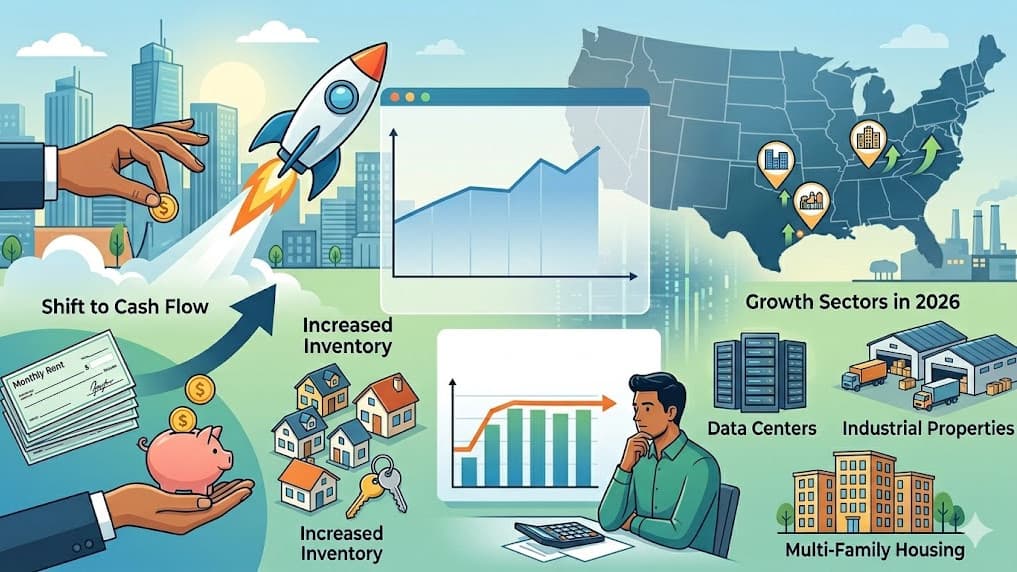
By mid-2026, the US real estate market is showing signs of a clear reset. The sharp post-pandemic rise in property values has slowed, mortgage rates remain elevated, and investors are becoming more selective
. For Non-Resident Indians investing in US property, the focus is increasingly shifting from short-term capital appreciation to stable rental income and long-term cash flow.
High borrowing costs remain a major constraint. Freddie Mac said the average 30-year fixed mortgage rate stood at 6.52% as of June 11, 2026, compared with 6.48% a week earlier and 6.84% a year earlier. These rates have raised monthly repayment costs, making leveraged property purchases less attractive for investors seeking quick returns.
As a result, NRI investors are placing greater emphasis on properties that can generate consistent rental income. Rather than assuming that prices will rise sharply soon after purchase, many investors are assessing rental demand, operating costs, financing expenses, and cash flow before committing capital.
The market, however, is not moving uniformly across the United States. Performance differs by location and property type. CBRE forecasts that US commercial real estate investment activity could rise 16% in 2026 to $562 billion, with total returns expected to be driven largely by income. The firm has also pointed to stronger prospects in asset classes such as data centres, industrial properties and multifamily housing.
PwC and the Urban Land Institute’s Emerging Trends in Real Estate 2026 report also identifies US markets based on investment and development prospects, indicating that location selection remains crucial for investors.
Overall, the US real estate market has moved into a phase where disciplined, data-driven investing matters more than speculative buying. For NRI investors, the priority is now clear: choose strong locations, focus on reliable rental demand, and assess long-term stability rather than depending on rapid price appreciation.