Us Iran Agreement Strait Of Hormuz Reopen Nuclear Uranium Switzerland Deal
Indian Express
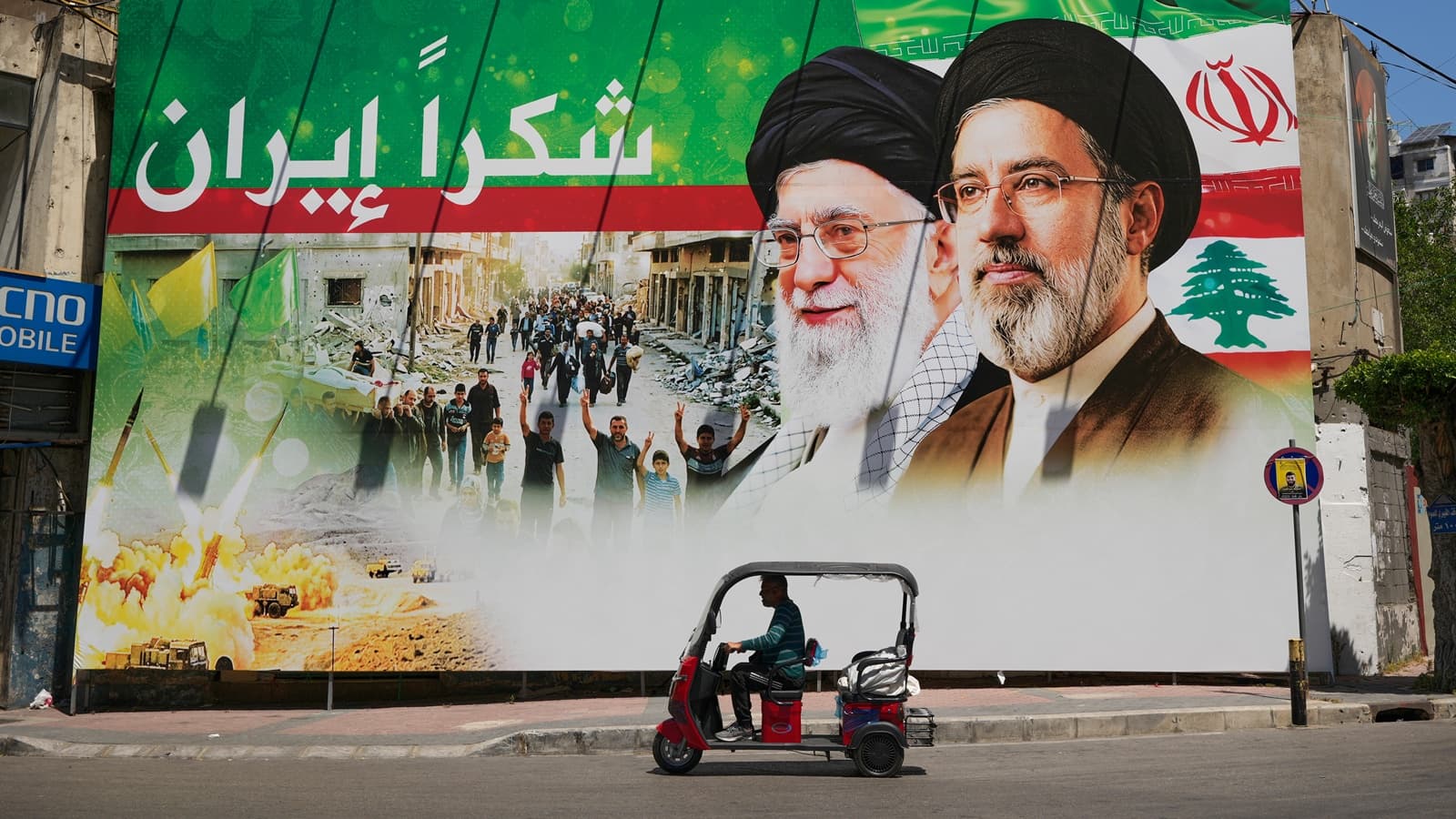
An initial agreement was reached between the United States and Iran on Monday to cease the hostilities in West Asia, reopen the Strait of Hormuz, and extend a fragile ceasefire, but significant challenges remain, including whether Israel would pause its offens
ive in Lebanon and how the highly enriched uranium would be destroyed.
If things remain on track and Washington and Tehran sign the agreement as scheduled on Friday in Switzerland, negotiators will face an uphill task of resolving issues between the two nations against the backdrop of a trust deficit and hostility, and that too in 60 days.
Since the issues involve destroying uranium stockpiles and other highly complex tasks, specialists with knowledge of military expertise, international law, and the nuclear technology domain would be involved in the two months to work on the agreement.
As per the memorandum of understanding reached between the US and Iran, negotiators will have to agree to remove mines from the Strait of Hormuz, discuss Iranian frozen assets, monitor and restrict Tehran’s nuclear programme in cooperation with the United Nations watchdog, limit uranium enrichment, and extract the stockpile buried deep in Iranian soil.
Iran and the US may also have to mend their differences with major powers like China, European nations and Russia in order to utilise their expertise and technical capabilities required to resolve the impending issues in the agreement.
All this development needs to take place with opposition from Israel for the deal and hardline factions in Iran and other critics in America. The agreement’s details are yet to be released, but it appears that it would not be implemented until the deal is signed.
According to the mediator Pakistan, the deal is scheduled to be signed in Geneva, Switzerland, on Friday. Till then, the shipping is poised to remain affected in the Hormuz, which is a crucial passage for 20 percent of the global oil and gas supply.
The Express Global Desk at indianexpress.com which delivers authoritative, verified, and context-driven coverage of key international developments shaping global politics, policy, and migration trends. The desk focuses on stories with direct relevance for Indian and global audiences, combining breaking news with in-depth explainers and analysis. A major focus area of the desk is US immigration and visa policy, including developments related to student visas, work permits, permanent residency pathways, executive actions, and court rulings. The Global Desk also closely tracks Canada’s immigration, visa, and study policies, covering changes to study permits, post-study work options, permanent residence programmes, and regulatory updates affecting migrants and international students. All reporting from the Global Desk adheres to The Indian Express’ editorial standards, relying on official data, government notifications, court documents, and on-record sources. The desk prioritises clarity, accuracy, and accountability, ensuring readers can navigate complex global systems with confidence. Core Team The Express Global Desk is led by a team of experienced journalists and editors with deep expertise in international affairs and migration policy: Aniruddha Dhar – Senior Assistant Editor with extensive experience in global affairs, international politics, and editorial leadership. Nischai Vats – Deputy Copy Editor specialising in US politics, US visa and immigration policy, and policy-driven international coverage. Mashkoora Khan – Sub-editor focusing on global developments, with a strong emphasis on Canada visa, immigration, and study-related policy coverage. ... Read More