Us Iran War Timeline February Strikes Peace Deal
Indian Express
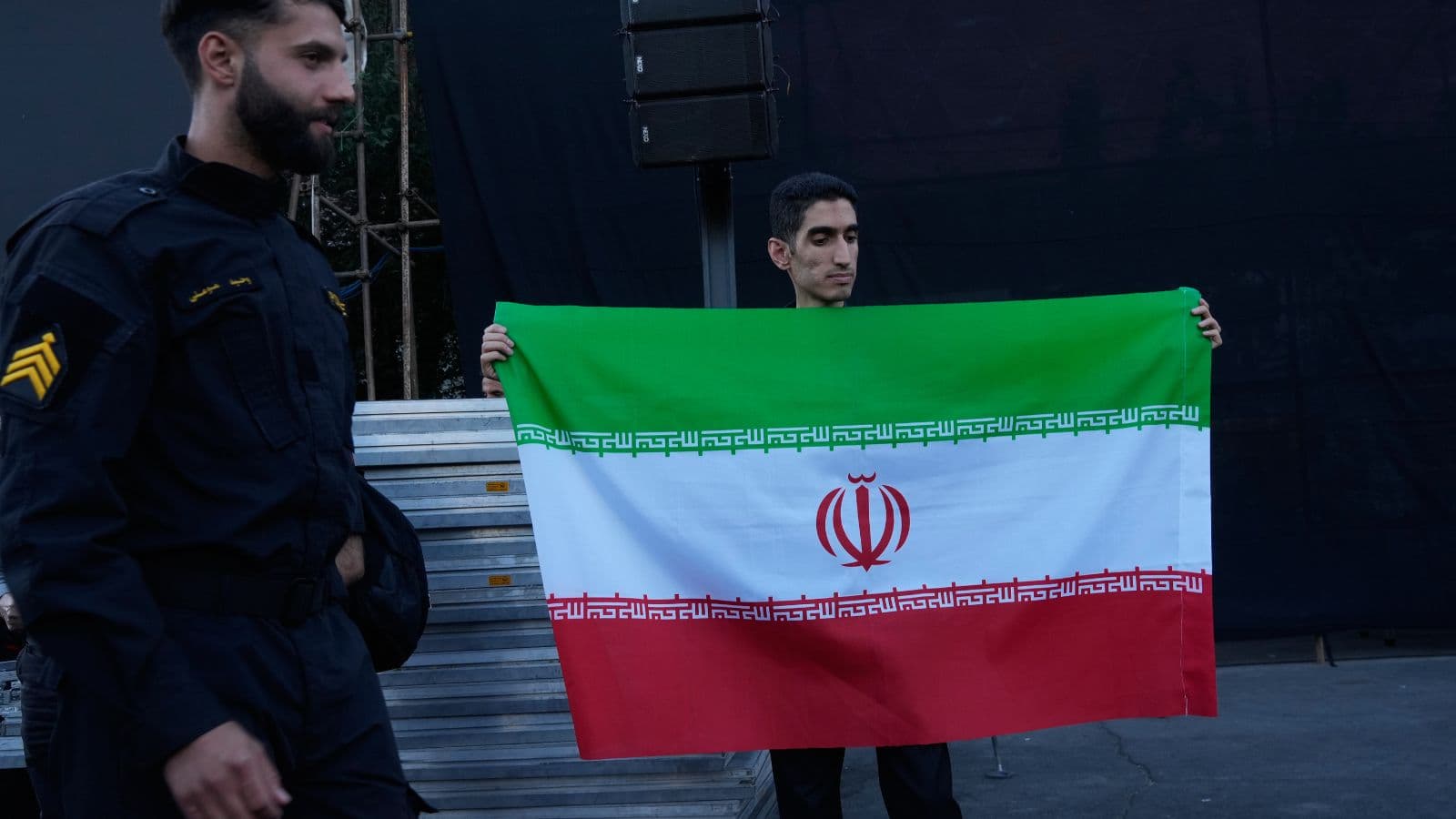
The conflict between the US, Israel, and Iran is set to end with a peace agreement to be signed in Switzerland on June 19. Here are 10 key events that mark the arc of the war
.
Feb 28 — War breaks out The US and Israel launched strikes on Iran, killing Supreme Leader Ayatollah Ali Khamenei along with several top commanders. Read more
Mar 1 — Iran retaliates Iran responded with missile strikes that killed three people in the UAE, including an Indian national. Read more
Apr 7-8 — First ceasefire After Trump warned that a “whole civilisation will die tonight” if Iran did not agree to a deal, the two sides reached a two-week ceasefire on April 8. Read more
Apr 12 — US announces blockade on Iranian ports Talks between the US and Iran in Pakistan failed to produce a peace deal. Trump then announced that the US Navy would begin a blockade on ships entering or leaving Iranian ports. Read more
Apr 22 — Ceasefire extended, ships seized Trump extended the ceasefire indefinitely even as Iran fired on three ships in the strait and seized two of them.
May 24 — Deal ‘largely negotiated‘ Trump said an agreement to reopen the Strait of Hormuz had been largely worked out.
Jun 1-11 — Fighting resumes Hostilities flared again over several days. Iran shot down a US drone and a US Army helicopter, and a US strike on a Palau-flagged tanker on June 10 killed three of the 24 Indian sailors on board.
Jun 14 — Deal announced US President Donald Trump announced that the US and Iran had reached a peace deal, with both sides agreeing to end military operations on all fronts, including Lebanon.
Jun 15 — Iran confirms agreement Iran’s Deputy Foreign Minister Kazem Gharibabadi confirmed the deal on state television, saying the halt to operations would take effect immediately. Iran’s Mehr news agency separately reported draft terms of a 14-point memorandum, though these remain unconfirmed by either government.
Jun 19 — Signing in Switzerland The agreement is due to be signed in Switzerland, opening a 60-day period of talks on issues including Iran’s nuclear programme and the reopening of the Strait of Hormuz, according to AP.
(With inputs from Associated Press and Reuters)
The Express Global Desk at indianexpress.com which delivers authoritative, verified, and context-driven coverage of key international developments shaping global politics, policy, and migration trends. The desk focuses on stories with direct relevance for Indian and global audiences, combining breaking news with in-depth explainers and analysis. A major focus area of the desk is US immigration and visa policy, including developments related to student visas, work permits, permanent residency pathways, executive actions, and court rulings. The Global Desk also closely tracks Canada’s immigration, visa, and study policies, covering changes to study permits, post-study work options, permanent residence programmes, and regulatory updates affecting migrants and international students. All reporting from the Global Desk adheres to The Indian Express’ editorial standards, relying on official data, government notifications, court documents, and on-record sources. The desk prioritises clarity, accuracy, and accountability, ensuring readers can navigate complex global systems with confidence. Core Team The Express Global Desk is led by a team of experienced journalists and editors with deep expertise in international affairs and migration policy: Aniruddha Dhar – Senior Assistant Editor with extensive experience in global affairs, international politics, and editorial leadership. Nischai Vats – Deputy Copy Editor specialising in US politics, US visa and immigration policy, and policy-driven international coverage. Mashkoora Khan – Sub-editor focusing on global developments, with a strong emphasis on Canada visa, immigration, and study-related policy coverage. ... Read More