Explained How Low Pressure Ageing Pipes And Leaks Contaminate Delhis Water
Indian Express
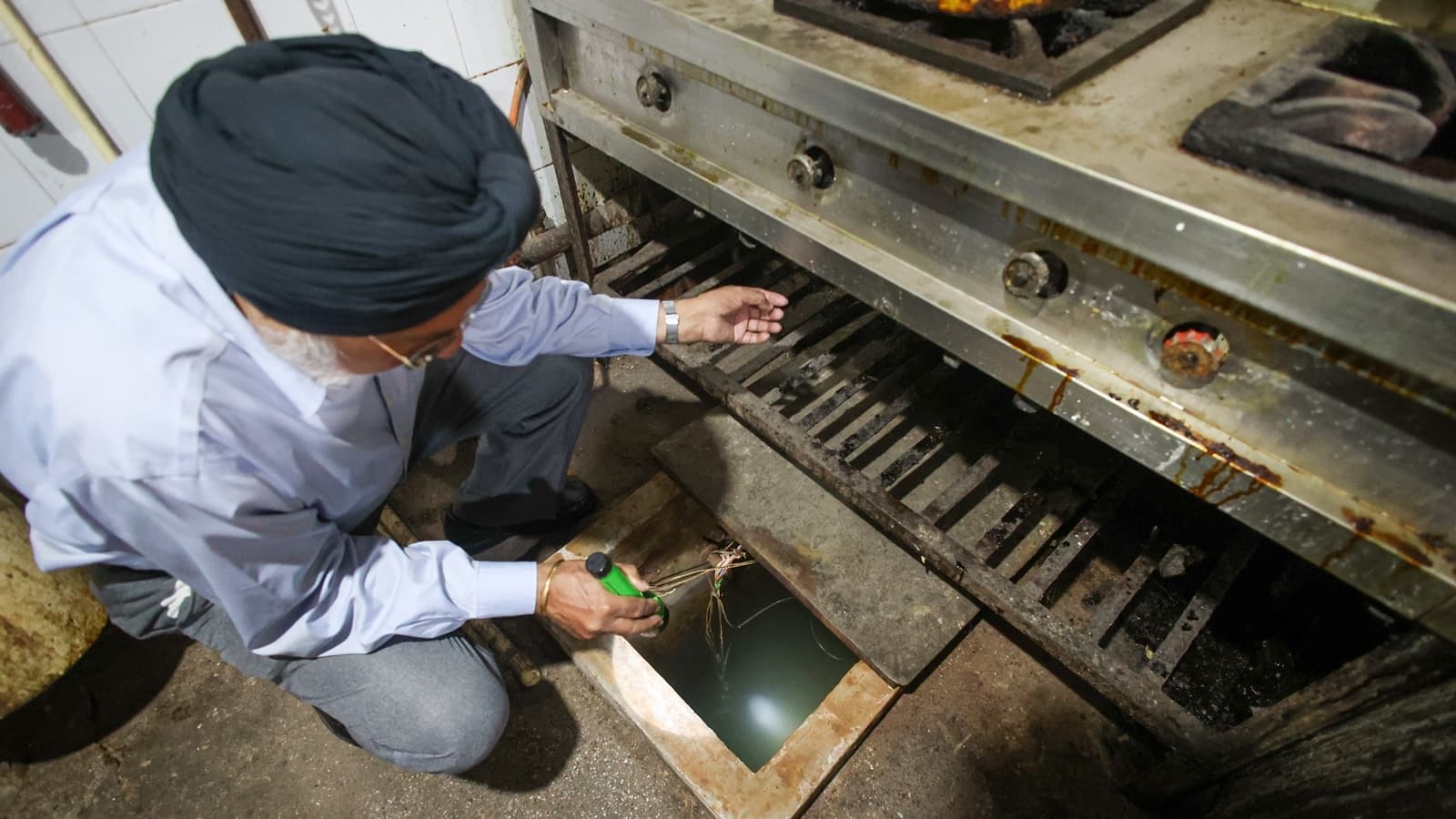
Delhi s recurring water contamination episodes highlight the limits of relying on emergency repairs and tanker supply. Experts say the city needs to shift from responding to breakdowns to preventing them - through real-time monitoring, updated maps of undergro
Delhi’s recurring water contamination episodes highlight the limits of relying on emergency repairs and tanker supply. Experts say the city needs to shift from responding to breakdowns to preventing them - through real-time monitoring, updated maps of underground networks, routine water testing and planned replacement of ageing pipelines. Without these changes, problems may remain undetected until residents begin reporting foul smells, illness or dirty water. First, on what is wrong and why. Why contamination happens Contamination usually occurs under three conditions. Read | Posh Delhi colony gets sewage in taps: How urban water systems fail, what needs to change First, there must be a pollution source close to a drinking water line – such as a leaking sewer, overflowing drain, polluted groundwater, sewage-laden stormwater, construction waste or stagnant contaminated water around the pipe. Second, there must be a pathway for entry: a corroded pipe, damaged joint, leaking valve, weak ferrule, abandoned pipeline, cross-connection or poor repair. Maintenance work underway in Hauz Khas in New Delhi on Saturday. (Express photo by Praveen Khanna) Third, there is often a hydraulic trigger - low pressure, back-suction or flow reversal. Household pumps and borewells can worsen the problem. In low-pressure areas, residents often use motors to draw water from the line. If pressure inside the main drops, those pumps can pull contaminated water through weak points in the network. Similar risks have been flagged in WHO guidelines and Ministry of Housing and Urban Affairs water-supply manuals. Dr Fawzia Tarannum, a water governance and sustainability expert and assistant professor at TERI, said water and sewer pipelines often run side by side. “If there is a burst in the pipeline or some compromise or breach in the sewer line, and the water line is not 24x7 pressurised, contamination can enter en-route,” she said. Continuous pressure, she added, largely prevents this. Read | Yamuna level low, water woes in Delhi to continue despite increase in supply from Haryana She said the contamination episodes must also be viewed alongside Delhi’s growing demand, rising density and ageing distribution network. As colonies add floors and commercial activity expands, the same water and sewer lines are carrying heavier loads. “There is a crisis of water,” she said, adding that nearly 40% of supplied water is lost as non-revenue water. “If they can plug these leaks…” Read | ‘Smells like sewage’: Gulmohar Park residents in Delhi complain of water contamination, illnesses Reducing losses, she argued, would improve both availability and pressure. In better-managed systems internationally, such losses are often closer to 5–10%, while higher levels point to deeper inefficiencies. A newly installed water analyser. (Express photo by Praveen Khanna) What can be done The solution, Tarannum said, lies in shifting from complaint-based detection to real-time monitoring. “IoT-based sensors are available. If there is any drop in pressure… the officials could know,” she said. She said water distribution should be integrated with Supervisory Control and Data Acquisition (SCADA) systems, which are already used in sectors such as energy transmission. Read | Crisis worsens at Delhi’s Gulmohar Park, water contamination spreads across several lanes “If the entire network is connected to a SCADA system, sitting in an office, remotely you can monitor what is happening on the ground,” she said. Such systems, she added, must be supported by accurate digital maps of water pipelines, sewer lines and vulnerable points. If ageing pipelines are replaced without parallel investment in monitoring and mapping, she said, the city risks carrying old weaknesses into new infrastructure.