Delhi Sarai Kale Khan Transport Hub Ncrtc Namo Bharat Connectivity
Indian Express
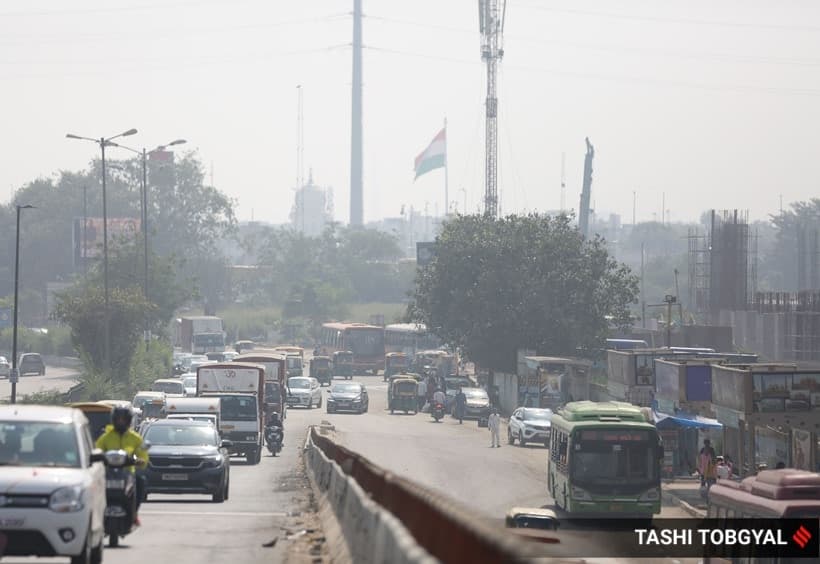
Sarai Kale Khan is one of Delhi's biggest transport hubs, where Hazrat Nizamuddin Railway Station, Delhi Metro's Pink Line, the Veer Haqiqat Rai Interstate Bus Terminal (ISBT), city bus services and the Delhi-Meerut Namo Bharat corridor converge within a relat
ively small area. Over the past months, the National Capital Region Transport Corporation (NCRTC) has been working on a series of projects: a foot overbridge, pedestrian pathways and a proposed staircase link, aimed at making transfers between these transport systems easier. The effort appears to be yielding results. According to NCRTC officials, ridership at the Sarai Kale Khan Namo Bharat station has increased by around 30 per cent since the commissioning of a foot overbridge connecting the station with Hazrat Nizamuddin Railway Station. The station is now handling around 7,000-8,000 passengers daily. Importance of integration Transport planners often argue that public transport works best when passengers can move easily between different systems. A commuter may be willing to take a train to Delhi and then switch to Metro or Namo Bharat services, but only if the transfer is convenient, safe and does not involve walking on broken footpaths or dodging oncoming rickshaws. If not, they might escape the public transport system and use private transport. At Sarai Kale Khan, the concentration of multiple transport facilities has historically led to pedestrians and vehicles competing for limited road space. Passengers moving between the railway station, Metro station, bus terminal, and surrounding roads often had to cross heavy traffic while carrying luggage or accompanying family members. FOB linking Namo Bharat and railway station Last month, the 280-metre-long foot overbridge connecting the Sarai Kale Khan Namo Bharat station with Hazrat Nizamuddin Railway Station became operational. The bridge is equipped with six automatic travelators, escalators and lifts. Hundreds of trains make their way through Hazrat Nizamuddin Railway Station, with lakhs of commuters boarding and de-boarding from this station. A large percentage of these commuters take the metro or Namo Bharat for their journey further in the city. Earlier, passengers travelling to and from the railway station were often compelled to cross busy roads and navigate through heavy traffic while carrying luggage and accompanying family members, officials said, adding that "apart from causing inconvenience, this frequently contributed to congestion and crowding outside the transit facilities. The commissioning of the FOB has addressed these challenges". Other infrastructure NCRTC has also developed a covered pedestrian pathway linking the Namo Bharat station with Delhi Metro's Hazrat Nizamuddin station on the Pink Line. The pathway is intended to provide a dedicated walking route between the two systems, allowing passengers travelling from Delhi, Ghaziabad, Modinagar and Meerut to switch between Metro and Namo Bharat services without relying on surrounding roads. The next stage of integration is expected to be a direct connection between the operational FOB and the Metro station. According to NCRTC officials, a tender has already been floated for the construction of a staircase and installation of escalators that would connect the Metro station with the existing FOB. Once completed, passengers would be able to move between the railway station, Metro station and Namo Bharat station through a more continuous interchange system. Beyond pedestrian movement The integration effort is not limited to pedestrian infrastructure. NCRTC officials said the station's entry and exit points were designed through service roads rather than directly from the main carriageway. Dedicated pick-up and drop-off areas have also been created within the station premises to reduce roadside vehicle stops. Officials said similar multimodal integration measures are also being implemented at Anand Vihar and Ghaziabad stations as part of the Delhi-Ghaziabad-Meerut Namo Bharat corridor.