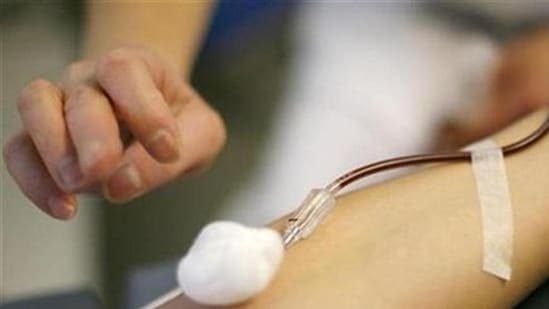
Blood is the irreplaceable lifeline of health care yet ensuring its safety and availability remains one of India s most complex challenges. Each year, the nation needs an estimated 14.6 million units of blood to meet patient need
Blood is the irreplaceable lifeline of health care—yet ensuring its safety and availability remains one of India’s most complex challenges. Each year, the nation needs an estimated 14.6 million units of blood to meet patient need. Encouragingly, growing awareness and a strong culture of voluntary donation have improved the voluntary blood donation status over the years. Observed every year on June 14, World Blood Donor Day is a reminder that safe blood begins with voluntary, regular, and informed donation. For patients undergoing surgery, cancer treatment, trauma care, or transfusion for conditions such as thalassemia, voluntary donors form the first and most essential link in the chain of survival. Despite the dedication of donors and health care workers, gaps in forecasting, storage, transport, and screening can compromise blood safety. These challenges underscore the importance of advanced technology and system-wide upgradation to strengthen every step of the transfusion process. A truly resilient blood ecosystem depends equally on ensuring that every donated unit is screened, processed, and delivered through the highest standards of safety and quality.The current mandatory blood testing methods leave room for improvement as despite these tests, some infections can go undetected during the window period. Transfusion-transmitted infections (TTIs) continue to pose serious risks, particularly for people who require regular transfusions, such as those living with thalassemia. In some recent cases in India, young patients have been infected with HIV or hepatitis through unsafe transfusions. Studies indicate that nearly 40% of multi-transfused patients have TTIs, with hepatitis C being the most frequent, followed by hepatitis B and HIV. This is where technology can make a life-saving difference. Nucleic Acid Testing (NAT), a molecular screening technique, can detect infections before they appear in conventional tests, acting as a critical safety net. As a doctor and secretary general of the Indian Society of Blood Transfusion & Immunohematology (ISBTI), I witness this impact every day. Every time NAT prevents an infection from entering the supply chain, it protects a patient—child or adult—and their family from years of anxiety and potential suffering. Recent evidence further strengthens the case for wider NAT integration. A cost-effectiveness analysis published in the Indian Journal of Hematology and Blood Transfusion found that integrating NAT alongside conventional serological screening could prevent an estimated 61,598 transfusion-transmitted infections annually, avert nearly 37,268 deaths, and save over 4.15 lakh disability-adjusted life years (DALYs) in India within a year. These findings reinforce an important reality: NAT is not merely a technological upgrade. It is a clinically consequential and economically prudent public health intervention that strengthens patient safety, reduces long-term disease burden, and advances India’s transition from health care access to health care assurance.While NAT protects individual patients, a broader, system-wide modernization is essential to make safe blood the norm. India must focus on five key priorities. First, advanced screening must be adopted at scale. Nationwide implementation of NAT and other molecular testing techniques will help ensure that every unit of blood is screened to the highest safety standards. Second, the blood supply chain must be strengthened. Safety does not end at screening; smart monitoring tools, digital tracking systems, and efficient transportation networks are essential to ensure that every unit reaches patients safely and efficiently. Third, standardised protocols must be implemented across the ecosystem. Uniform Standard Operating Procedures (SOPs) for public, private, and charitable blood banks will reduce variations in quality, enhance transparency, and strengthen public trust. Fourth, capacity building and training require sustained attention. Skilled professionals are the backbone of a safe transfusion system, and regular certification, integration of transfusion medicine into medical education, and national knowledge-sharing platforms can help build a competent and continuously updated workforce. Finally, data-driven oversight and stronger public health integration are critical. A national transfusion safety dashboard, routine audits, and the integration of blood services with maternal health, emergency care, and chronic disease programmes can create a proactive, equitable system that delivers safe blood to every patient, irrespective of geography or income.Improving India’s blood transfusion system is a matter of priority. With the right technology, enforceable standards, skilled personnel, and active public participation, we can ensure that every transfusion is safe. Public-private partnerships (PPPs) are equally critical—they combine government’s reach and supervision with private-sector’s expertise, infrastructure, and innovation to expand blood collection drives, standardise testing through advanced techniques like NAT, and streamline supply chains. Together, these efforts ensure that high-quality, safe blood reaches patients across urban and rural areas. Technology is not optional; it is the bridge between good intentions and truly safe transfusions.(The views expressed are personal)This article is authored by Dr Sangeeta Pathak, secretary general, Indian Society of Blood Transfusion & Immunohematology (ISBTI).