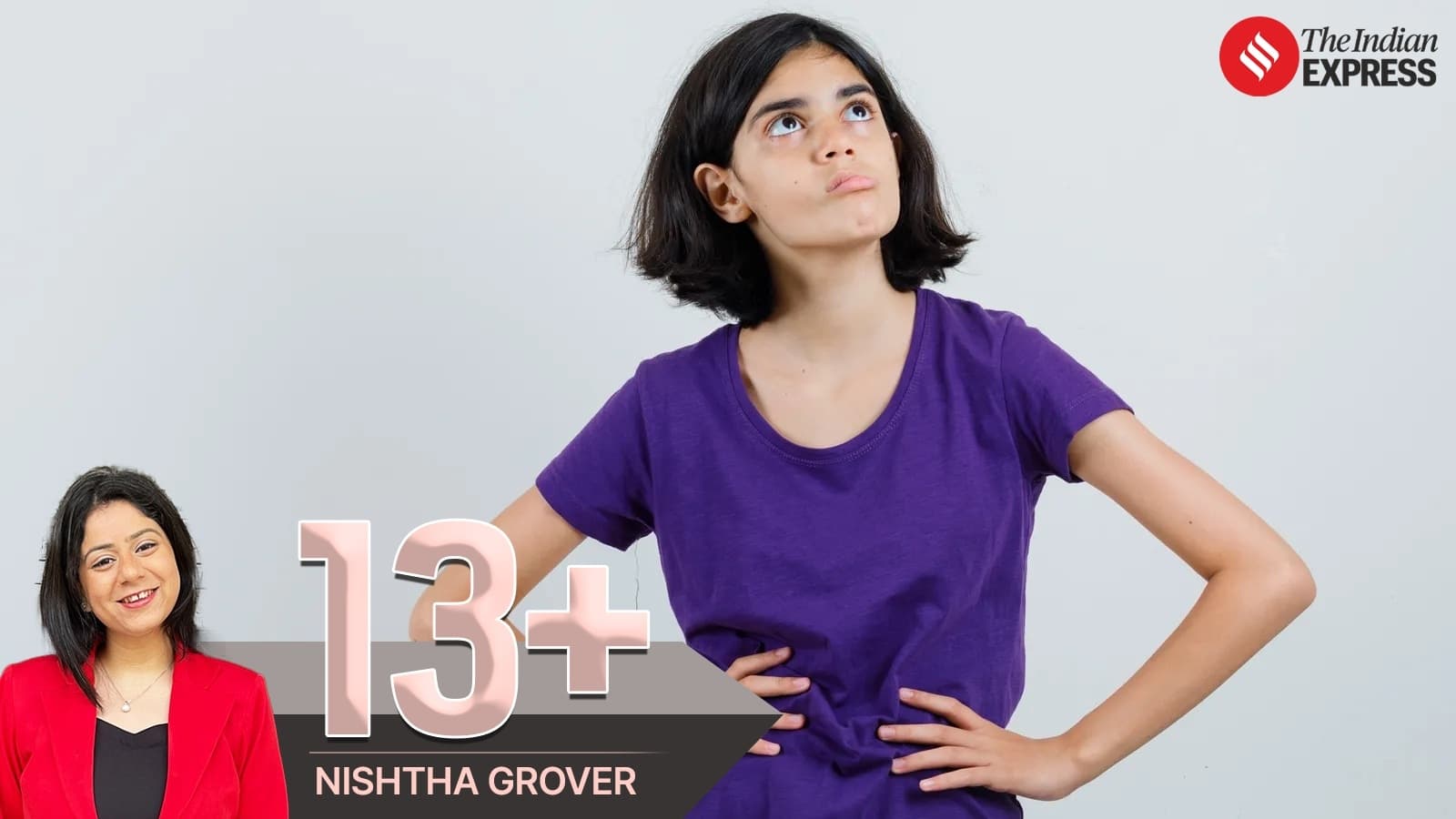
Few experiences unsettle parents more than watching a once-affectionate child become distant, withdrawn, and seemingly uninterested in family life. One day, they are eager to tell you about every
detail of their school day; the next, conversations are reduced to one-word answers. Parents often describe feeling shut out, confused and even hurt. “She barely talks to me anymore,” a mother recently told me. “It’s as if I have lost my daughter.”
As a parenting counsellor, I hear this concern almost daily. Yet what many parents interpret as rejection is often something very different.
The teenage years are marked by one of the most important psychological tasks of human development: the formation of identity. Adolescents are trying to answer fundamental questions about who they are, what they believe, and how they fit into the world. To do this, they must gradually separate from their parents emotionally, even while remaining dependent on them in many ways. This process may appear like coldness, but psychologically it is often a sign of growth rather than disconnection.
I remember working with the mother of a 14-year-old boy who had become increasingly withdrawn. Every evening, she would ask him about school, homework, friends, and future plans. Concerned by his silence, she questioned him more intensely, hoping to reconnect. Instead, he retreated further. Eventually, she tried a different approach. Rather than asking a series of questions, she simply spent time with him while he helped prepare dinner. For several days, they exchanged only a few casual remarks. Then one evening, he began talking about a disagreement with a friend. Over time, those conversations became more frequent. What changed was not the teenager’s personality but the emotional atmosphere. He no longer felt under examination.
This points to an important truth about adolescent psychology. Teenagers are highly sensitive to perceived judgment and control. The more they feel pressured to open up, the more likely they are to protect their privacy. Many parents unintentionally turn conversations into interrogations because their concern is driven by love. However, adolescents are often more willing to communicate when they feel they have a choice. A casual conversation during a walk, a drive, or a shared activity frequently achieves what repeated questioning cannot.
Another common mistake is rushing to solve every problem a teenager shares. Parents naturally want to protect their children from disappointment and distress. Yet adolescents are not always looking for solutions; often, they are looking for understanding. When a teenager describes a conflict with a friend or anxiety about exams, immediate advice can sometimes feel dismissive. They want to know first that their feelings make sense. Feeling understood creates emotional safety, and emotional safety creates connection.
A second case comes to mind. A 17-year-old girl appeared completely absorbed in her friends and social media. Her father felt increasingly irrelevant in her life. Then one night, after a painful argument with a close friend, she came to his room and talked for nearly an hour. Later, she explained that although she rarely showed it, she always knew he would listen without judging her. For months, he had mistaken her independence for indifference. In reality, his quiet availability had become one of her greatest sources of security.
Perhaps this is the lesson parents need most. Teenagers often express love and attachment differently from younger children. They may not seek constant conversation, affection or approval, yet they continue to rely on their parents as emotional anchors. Behind the eye rolls, closed doors, and distracted behaviour is usually a young person struggling to navigate a rapidly changing inner world. Their silence is not always a sign that they have stopped caring; sometimes it is simply evidence that they are wrestling with challenges they do not yet know how to put into words.
Parents cannot force teenagers to open up, but they can create conditions that make connection more likely. By remaining calm, listening more than lecturing, and respecting a teenager’s growing need for autonomy, they communicate a powerful message: “I am here when you need me.” In my experience, this message matters far more than any perfectly timed piece of advice.
The teenage years can make even the closest families feel uncertain. Yet parents should remember that a closed bedroom door is not necessarily a closed heart. More often, it is the door of a young person learning who they are. The challenge is not to push that door open, but to remain close enough that when it eventually opens, they know exactly where to find you.