Jaspal Rana Death Cardio Heart Attack Patients Procedure
Indian Express
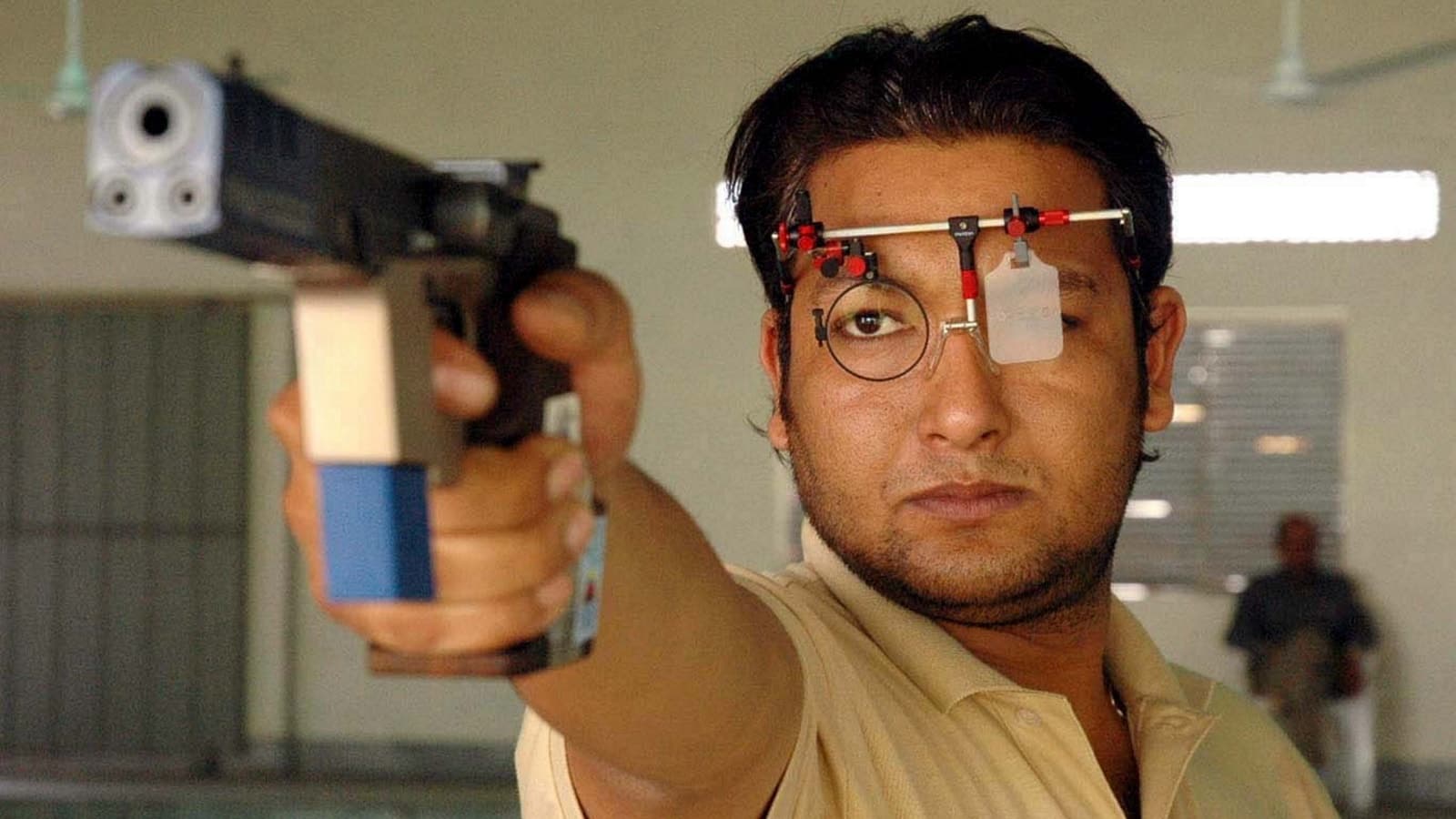
Shooting legend Jaspal Rana had undergone an angioplasty (an emergency procedure to open up a blocked artery that reduces blood flow to the heart) after he came to the hospital with a heart attack
. Given that his heart function was low, cardiologists decided to do a similar procedure in another partially blocked artery later. In fact, he was being prepared for discharge when he suffered a fatal cardiac complication, underlining the risks that can persist in patients who present late after a heart attack.
According to Dr Balbir Singh, Chairman, Cardiac Sciences, Max Hospital, Saket, Rana was brought to the hospital in a critical condition and was a “late-stage presenter” — a category of patients who seek medical attention several hours after the onset of a myocardial infarction or heart attack. Doctors found a blocked artery and performed an emergency stenting procedure to restore blood flow. However, despite the successful intervention, Rana remained in a high-risk category because the heart muscle had already sustained significant damage by the time treatment was initiated.
“He came to us in a sick condition. One artery was blocked, so we carried out a stenting procedure. He was a late-stage presenter, and the risk of sudden death is high in such patients. His heart pumping function was weak and he was in heart failure. In such a condition, the patient remains vulnerable to a secondary plaque rupture. That risk remains up to a month,” Dr Singh told The Indian Express. Excerpts:
While angioplasty and stenting can reopen a blocked artery, they do not immediately reverse the damage already inflicted on the heart muscle. In patients who arrive late after a heart attack, prolonged deprivation of blood supply can permanently weaken sections of the heart, reducing its ability to pump blood effectively. This condition, known as heart failure, is one of the strongest predictors of sudden cardiac death after a major myocardial infarction.
Heart failure patients are particularly vulnerable because damaged heart muscle can disrupt the heart’s electrical system, triggering potentially fatal rhythm disturbances or irregular heartbeats. This can lead to sudden cardiac arrest. The weakened heart is also less capable of responding to sudden physiological stress, making patients susceptible to abrupt collapse even when they appear clinically stable.
That’s why a patient continues to be at risk despite successful stenting. A previously untreated blockage may worsen or even a mild, unstable plaque may dislodge and rupture, forcing blood to clot over it and form a bigger blockage. Additional coronary lesions that initially appeared stable may also become unstable and compromise blood flow to the heart muscle.
Another risk is stent thrombosis — the formation of a clot within the newly implanted stent. The complication can result in a sudden and often severe heart attack, particularly if prescribed anti-platelet medications are interrupted. That’s why strict adherence to post-procedure medication schedules is important for every heart attack patient.
The heart’s oxygen requirements can also play a role. Conditions such as uncontrolled blood pressure, infection, severe anaemia, intense physical exertion or other physiological stressors can increase the heart’s demand for oxygen at a time when blood supply remains compromised by underlying coronary artery disease. This mismatch can precipitate further cardiac events.
Depending on the patient’s condition, the complexity of the blockages and the risks associated with a prolonged intervention, we usually opt for a staging procedure. So, the most critical blockage is treated first while additional stenting is planned for a later date once the patient has stabilised. The approach is aimed at reducing procedural risks, limiting exposure to contrast dye and radiation, and allowing doctors to reassess the patient’s condition before undertaking further intervention.
However, the period between procedures can still be a challenge as patients remain vulnerable to complications until all significant blockages are addressed and the heart has recovered as much as possible from the initial injury.
The first few weeks after a major heart attack represent a particularly vulnerable period. Plaque instability, clot formation, progressive heart failure, life-threatening arrhythmias and mechanical complications such as cardiac rupture can all occur despite apparently successful treatment of the initial blockage. Whenever you sense unease, pain and discomfort in the heart, do not delay, just rush to the nearest hospital.
Rinku Ghosh is the Health Section Lead at The Indian Express, where she oversees the publication’s comprehensive health, wellness, and medical science vertical. With years of experience in high-impact journalism, Rinku specializes in translating complex medical research into actionable insights for the public. Her reporting spans a wide spectrum—from deep-dives into childhood obesity and the effects of urban pollution to the frontiers of medical technology, such as the use of AI and nanobots in cancer treatment. Authoritativeness: As a veteran editor at one of India’s most trusted news organizations, Rinku has interviewed world-renowned experts, including cardiologists from the Mayo Clinic, oncologists from AIIMS, and researchers from the Indian Institute of Science (IISc). Her column often serves as a primary source for "Explained" features, where she breaks down global health trends, vaccine safety, and public health policy. Her work is recognized for bridging the gap between clinical data and the lived experiences of patients. Trustworthiness: Rinku’s editorial approach is rooted in the "Journalism of Courage" philosophy, prioritizing evidence-based science over healthcare myths. In an era of medical misinformation, she ensures that every piece of advice—whether regarding chronic disease management or nutritional supplements—is backed by peer-reviewed studies and verified by leading medical practitioners. ... Read More