The Concept Of Non Binary In Different Cultures
Indian Express
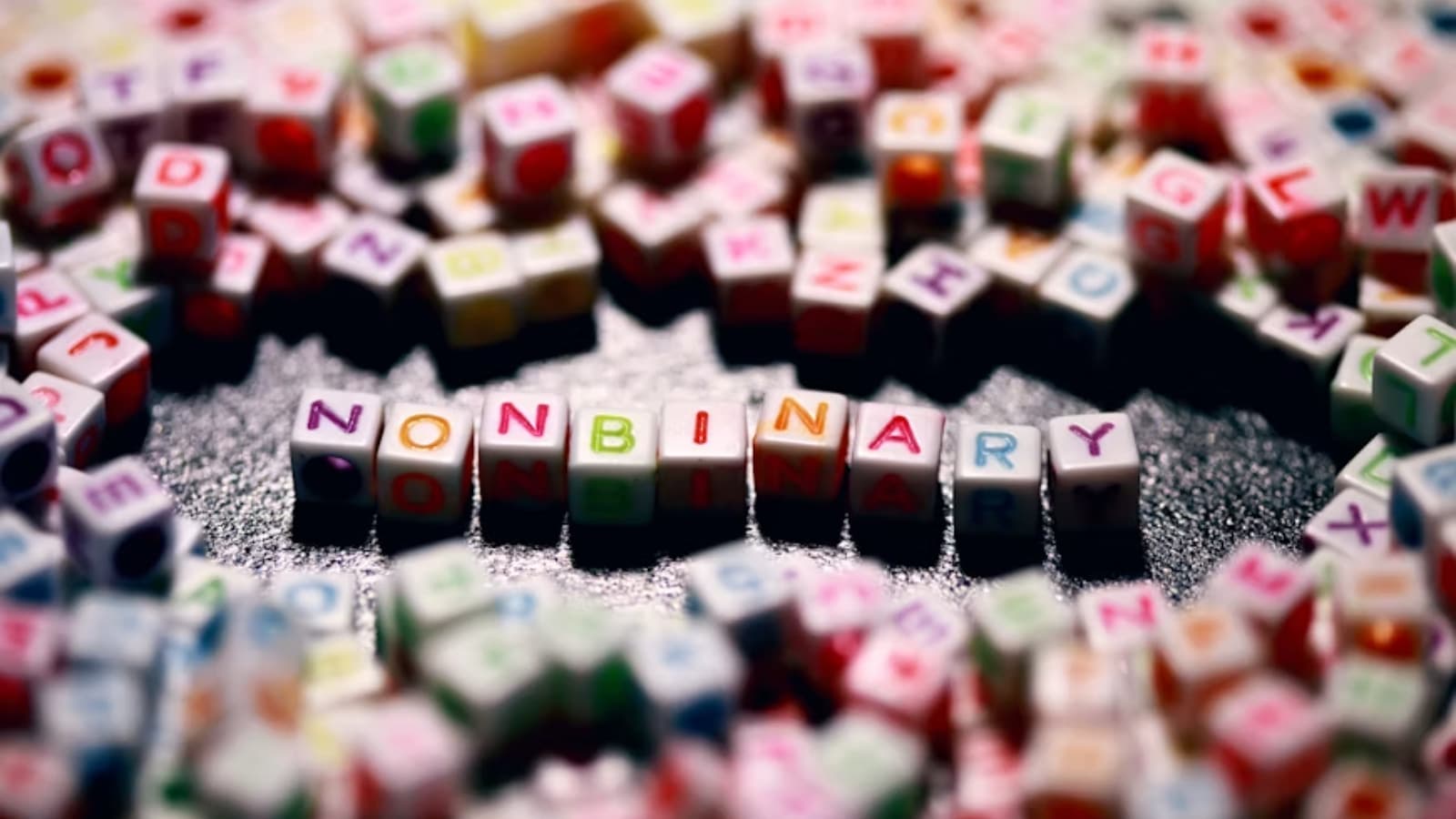
While the term "non-binary" is relatively modern, the idea that gender exists beyond a strict male-female binary is far from new. Across cultures and centuries, many societies have recognised
identities that do not fit neatly into two categories. These traditions highlight the diverse ways people have understood gender around the world. (unsplash)
Bissu (Indonesia): Among the Bugis people of Sulawesi, gender is traditionally understood through five categories. Bissu individuals are often viewed as transcending male and female roles and have historically served as spiritual leaders. (wikimedia commons)
Fa'afafine (Samoa): Fa'afafine are people assigned male at birth who embody both masculine and feminine traits. They have long been recognized as a distinct and respected part of Samoan society. (wikimedia commons)
Hijra (South Asia): Found across India, Pakistan, Bangladesh, and Nepal, Hijras have been recognized for centuries as a distinct gender community. They have historical roots in royal courts, religious traditions, and cultural ceremonies. (wikimedia commons)
Māhū (Hawaii and Tahiti): In Hawaiian and Tahitian cultures, Māhū individuals are often understood as embodying both masculine and feminine qualities and have historically served important social and cultural roles. (wikimedia commons)
Muxe (Mexico): Recognised within Zapotec communities in Oaxaca, Muxe people are often considered a third gender. They play significant roles in family, community, and cultural life. (wikimedia commons)