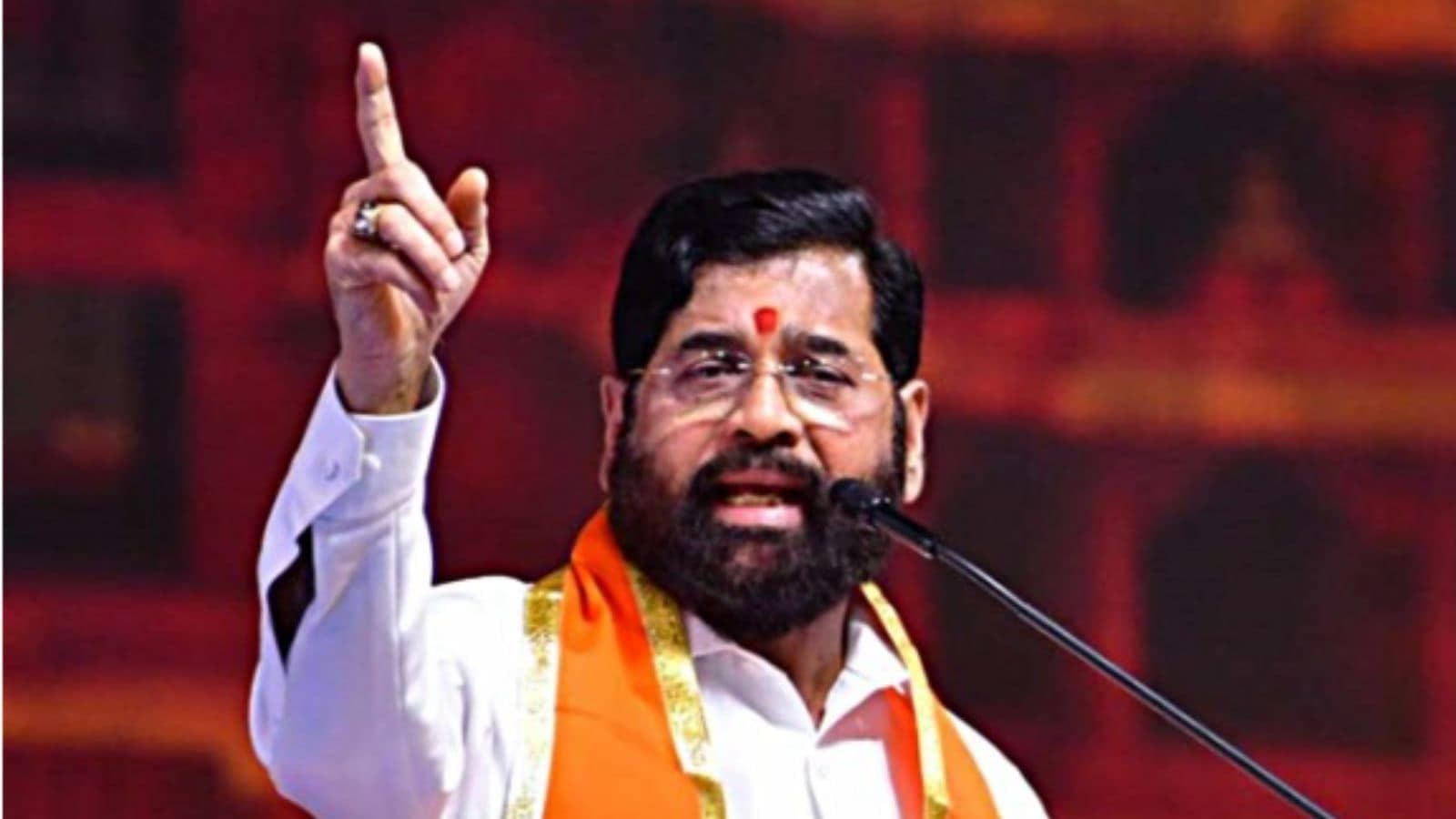
The rebellion within the Trinamool Congress (TMC) in West Bengal could have consequences far beyond the state s borders as it threatens to dilute the parliamentary leverage that Shiv Sena chief and
The rebellion within the Trinamool Congress (TMC) in West Bengal could have consequences far beyond the state’s borders as it threatens to dilute the parliamentary leverage that Shiv Sena chief and Maharashtra Deputy Chief Minister Eknath Shinde retained within the NDA even after the BJP’s sweeping victory in the 2024 Maharashtra Assembly election.
After the 2024 Lok Sabha elections, the Sena, with seven MPs, emerged as the NDA’s fourth-largest constituent of the alliance after the Telugu Desam Party (TDP) and JD(U). At a time when the BJP had fallen short of a majority on its own, Shinde’s MPs gave him influence that extended beyond Maharashtra.
That leverage acquired greater significance because of the changing power dynamics within the state too.
The 2024 Assembly elections dramatically altered the BJP-Sena equation. The BJP won 132 seats — more than double the Sena’s tally of 57 — and reclaimed the Chief Minister’s post with Devendra Fadnavis at the helm, while Shinde became Deputy Chief Minister.
With the BJP no longer dependent on the Sena for political survival in Maharashtra as it also enjoys the support of 41 MLAs of the Sunetra Paawar-led NCP, Shinde’s principal bargaining chip increasingly lay in Delhi.
It is this leverage that could now come under pressure.
A rebel bloc of around 20 TMC MPs backing the NDA would provide the BJP with an additional source of parliamentary support. While the BJP may not immediately require those numbers to sustain the government, the availability of an alternative bloc would reduce its dependence on existing allies and, consequently, their negotiating power.
For Fadnavis, the Bengal rebellion could bring an indirect political advantage. A BJP less dependent on allies in Parliament is also likely to be less constrained by them in state-level power equations.
Shinde’s own rise was made possible by a rebellion within a regional party that strengthened the BJP both in Maharashtra and at the Centre. “The Maharashtra model” created a new ally for the BJP while weakening a regional rival. Now, a similar rebellion in another regional party could produce the opposite effect for Shinde himself.
The importance of the Sena’s seven MPs extended beyond arithmetic. After the 2024 Lok Sabha elections reduced the BJP to 240 seats, every NDA ally acquired greater significance in Parliament.
The Shinde-led Sena supported several politically significant initiatives of the Modi government, including the Waqf (Amendment) Bill and the One Nation, One Election proposal. The support of Sena’s MPs contributed to the NDA’s parliamentary strength and reinforced Shinde’s standing as the head of one of the alliance’s key partners.
The relationship between Shinde and Fadnavis has been marked by uneasy coexistence since the 2022 split in the undivided Shiv Sena.
Although the BJP backed Shinde as CM after the rebellion, tensions over power-sharing never fully disappeared. The relationship became even more unequal after the 2024 Assembly election.
Since then, several disputes have highlighted friction within the Mahayuti alliance. One of the most visible confrontations emerged over the appointment of Guardian Ministers of Nashik and Raigad districts. The disagreement escalated to the point where appointments had to be put on hold, reflecting the depth of tensions between the BJP and Sena camps.
Differences have also surfaced over Cabinet berths, appointments to state corporations and boards, fund allocation, local body election strategies, and the BJP’s continued organisational expansion into areas traditionally dominated by the Sena.
Another flashpoint emerged during negotiations for MLC elections, when Shinde sought a larger share than the BJP was willing to concede based on Assembly strength. The issue eventually required intervention from the BJP’s central leadership.
Repeated complaints from Sena leaders that the BJP was attempting to poach local leaders and expand at the Sena’s expense have further fuelled perceptions of rivalry between the allies.
With an uneasy relationship in Maharashtra, Shinde’s parliamentary importance assumed greater political value.
Political observers viewed these interactions as more than routine courtesy calls. They reflected Shinde’s ability to bypass the Maharashtra BJP leadership and take his concerns directly to the party’s central command.
The arrangement suited both sides. The BJP leadership valued the support of a significant NDA ally in Parliament, while Shinde gained access to an alternative power centre beyond Mumbai and Nagpur. The TMC rebellion threatens to alter this equation.
“The issue is not whether the BJP needs Shinde’s seven MPs to survive,” a political observer said. “The real question is whether those seven MPs continue to provide the leverage that has helped Shinde retain influence despite his party’s shrinking position within Maharashtra.”
While several Sena leaders privately acknowledge the potential implications of the Bengal developments, a few others express confidence that the BJP will continue to adhere to coalition dharma and protect the interests of its allies.
Vallabh Ozarkar is a Senior Correspondent with The Indian Express' Mumbai bureau, reco... Read More