Metro 3 Commuters Mobile Connectivity Underground
Indian Express
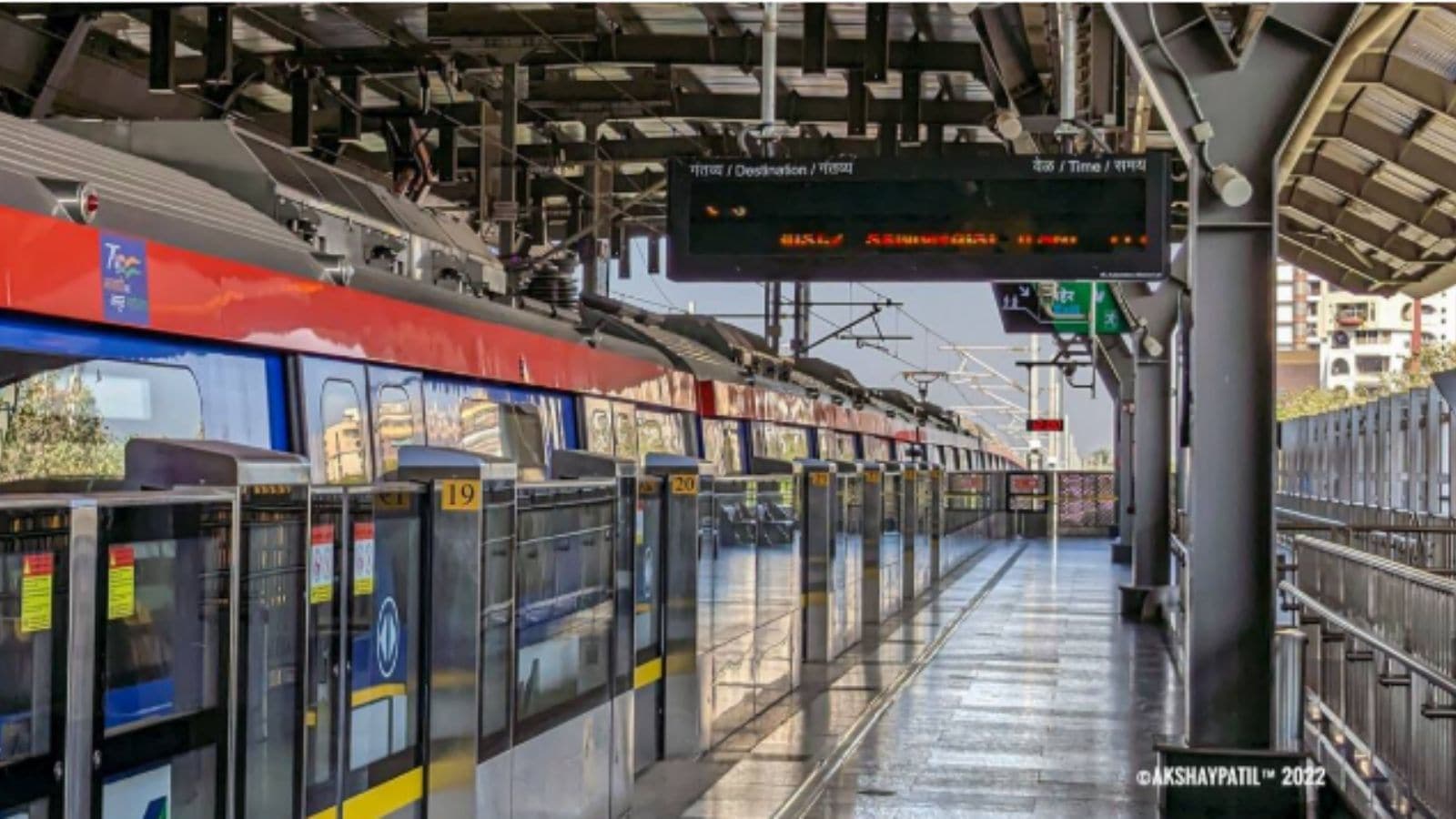
For the first time since Mumbai Metro 3 began operations, commuters are starting to get mobile connectivity inside the underground corridor. Airtel and Vodafone Idea (Vi) have begun rolling out
network services across parts of the line, allowing passengers to make calls, send messages and access the internet while travelling through tunnels where phones would previously lose signal.
The rollout is currently limited to stretches where telecom operators had earlier put in place temporary arrangements.
Vi subscribers can access connectivity across 16 stations, from Aarey JVLR to Acharya Atre Chowk in Worli. Airtel’s network is currently available on 10 stations between Aarey JVLR and BKC.
According to officials of the Mumbai Metro Rail Corporation (MMRC), services are being activated in phases and coverage will gradually expand across the corridor.
The remaining stretch of the line from Science Centre to Cuffe Parade is still being equipped with telecom infrastructure.
Vi said work is underway across the 11 stations on this section, and connectivity is expected to be rolled out in the coming weeks. Airtel is also expected to extend coverage as installation work progresses.
Unlike Airtel and Vi, Jio did not operationalise services during the initial phases of Metro 3. Sources said the operator will need to make fresh infrastructure arrangements across the corridor before it can begin offering connectivity, which is likely to take longer.
The delay stemmed from a prolonged dispute over the telecom infrastructure planned for the underground line.
MMRC had originally appointed ACES India to build and operate a neutral telecom network across Metro 3 stations. However, telecom operators objected to the charges proposed for using the infrastructure, arguing that the costs were too high.
The disagreement stalled the rollout for months before MMRC scrapped the arrangement and issued fresh tenders in March.
In May, MMRC signed a joint agreement with Airtel, Jio and Vi, allowing the operators to build and operate the telecom infrastructure themselves.
Under the agreement, the companies will jointly deploy in-building solutions (IBS) and shared telecom infrastructure across the underground corridor, which they will operate for the next 25 years.
Sources said operators are still working on laying fibre infrastructure across the network, a process that will involve civil works and could take several months. As a result, connectivity is expected to expand in stages rather than across the entire corridor at one go.
BSNL subscribers will have to wait longer still, with services expected to be introduced within the next six months.
Sabah Virani is a journalist with The Indian Express’ Mumbai bureau, covering infrastructure, housing and urban issues. In the realms of technical fields, she brings out human stories and the pace of change ongoing in the city. Expertise Specialised Role: Tracking infrastructure in Mumbai and the wider Mumbai Metropolitan Region (MMR), Sabah’s reporting tracks progress on various projects. From bridges to metros, she mixes technical details with resourceful information. Core coverage areas: Sabah keeps a close eye on the activities of the Mumbai Metropolitan Region Development Authority (MMRDA) and its projects across the MMR, including the metros, road projects, bridges, the bullet train, pod taxi, its role as a planning authority, and more. She also watches for developments from the Maharashtra State Road Development Corporation (MSRDC), City and Industrial Development Corporation of Maharashtra (CIDCO) and the GoM’s Urban Development department. Housing: Sabah also tracks developments in housing, particularly the workings of the Slum Rehabilitation Authority (SRA). She also keeps a keen watch on the big redevelopment projects ongoing in Mumbai, including the Dharavi Redevelopment Project, Motilal Nagar, Kamathipura, BDD Chawl redevelopment, among others. Occasionally, she reports on the environment, biodiversity, waste, arts and culture. Experience: Prior to working for the Indian Express, Sabah covered the municipality, civic issues and miscellaneous for Hindustan Times. Before that, she covered all things Mumbai for the online publication Citizen Matters. She has also worked as an editorial assistant at FiftyTwo.in. ... Read More