Iran Closes Strait Of Hormuz Us Strikes Bandar Abbas Qeshm Hegseth Negotiate With Bombs
Indian Express
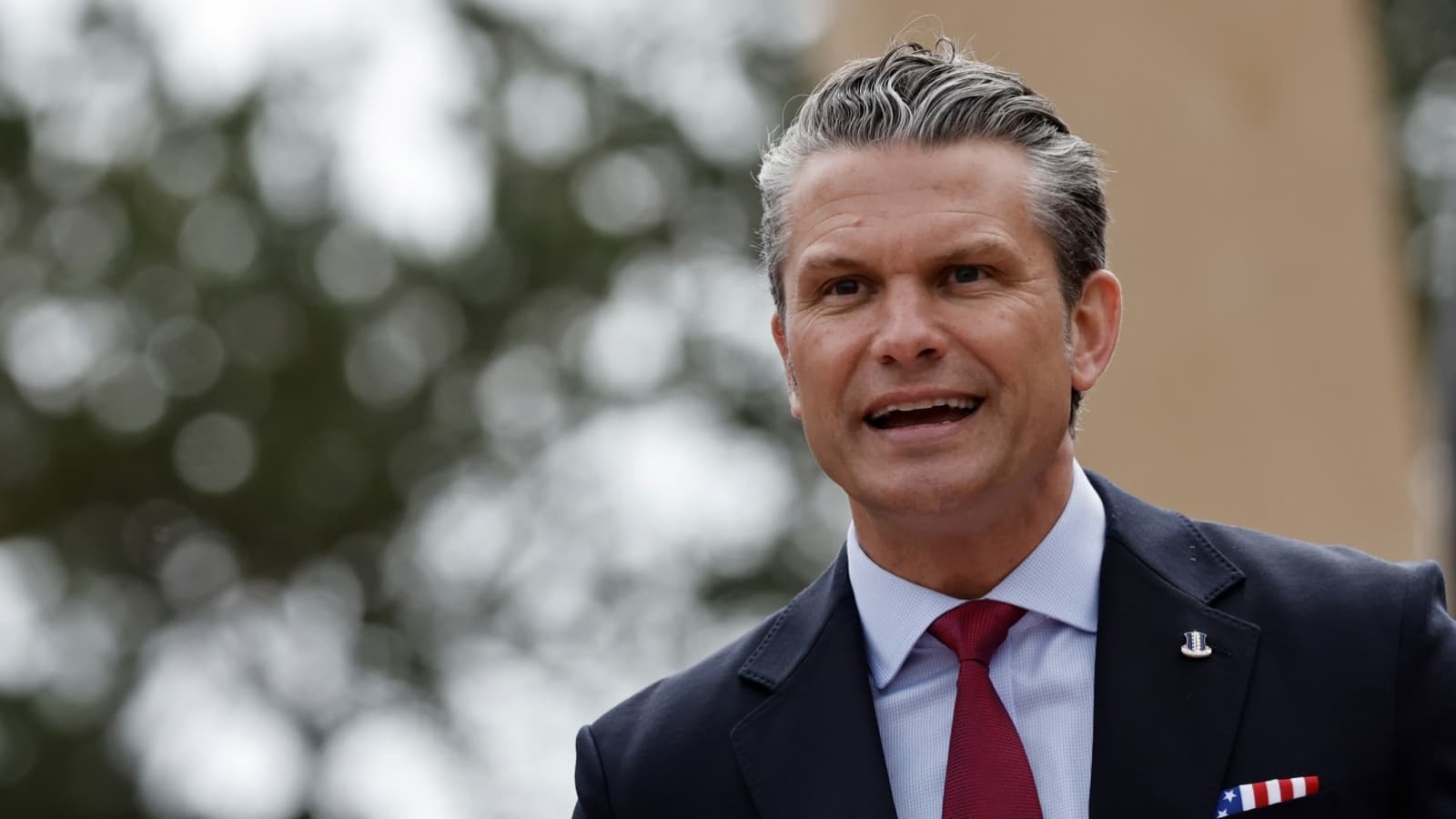
The US launched a new round of military strikes against Iran on Wednesday night, targeting what officials described as key facilities, as President Donald Trump s administration seeks to increase
The US launched a new round of military strikes against Iran on Wednesday night, targeting what officials described as key facilities, as President Donald Trump’s administration seeks to increase pressure on Tehran during stalled ceasefire and nuclear negotiations. Speaking outside the headquarters of US Central Command (CENTCOM) in Tampa, Florida, Defence Secretary Pete Hegseth confirmed the attacks and warned that further strikes could follow if Iran failed to meet Washington’s demands. "Those strikes that’ll happen tonight will be strong. They will be clear," Hegseth said, adding that operations could continue beyond a single night if necessary. "CENTCOM will be busy tonight because President Trump said we will be hitting Iran hard, and we will be," Hegseth said. Shortly after Hegseth’s remarks, the CENTCOM announced what it called “additional self-defence strikes” against Iran, saying that Tehran’s “continued aggression” was the reason for the operation. Iranian state media reported explosions in several locations, including Bandar Abbas, Qeshm, Gorgan and Hengam, while air defence systems were activated in parts of southern Iran. This strike is the second consecutive day of US military action against Iran, raising fears that a fragile ceasefire reached on April 8 may be collapsing. US links attacks to negotiations The Trump administration has framed the latest military action as a way to gain leverage in ongoing negotiations with Iran over its nuclear programme and sanctions relief. Hegseth accused Iran of delaying talks and suggested the strikes were intended to force progress at the negotiating table. “If we need to negotiate with bombs, we’ll negotiate with bombs,” he said, arguing that military pressure would help secure the agreement President Trump is seeking. Helicopter incident The latest escalation follows the crash of a US AH-64 Apache helicopter near the Strait of Hormuz earlier this week. Trump blamed Iran for the incident and vowed a response, despite reports that no American personnel were injured in the crash. The administration has repeatedly warned that Iran would face consequences if negotiations failed to advance, as per Al Jazeera reports. Questions over civilian targets The renewed attacks have raised concerns about the potential targeting of civilian infrastructure. When asked whether bridges, power facilities or other civilian sites could be hit, Hegseth rejected suggestions that such actions could amount to war crimes, accusing critics of questioning the motives of the US military. However, he stopped short of ruling out attacks on infrastructure linked to Iran’s economy and transportation network. Iran signals defiance Tehran has shown it is not prepared to back down. Iranian forces have reportedly carried out retaliatory strikes against US military facilities in Kuwait, Jordan and Bahrain since the latest phase of fighting began. The two sides remain divided over the future of Iran’s nuclear programme and the scope of sanctions relief, issues that have stalled diplomatic efforts.