Up Anti Radicalisation Cells Universities Illegal Conversions Yogi Adityanath
Indian Express
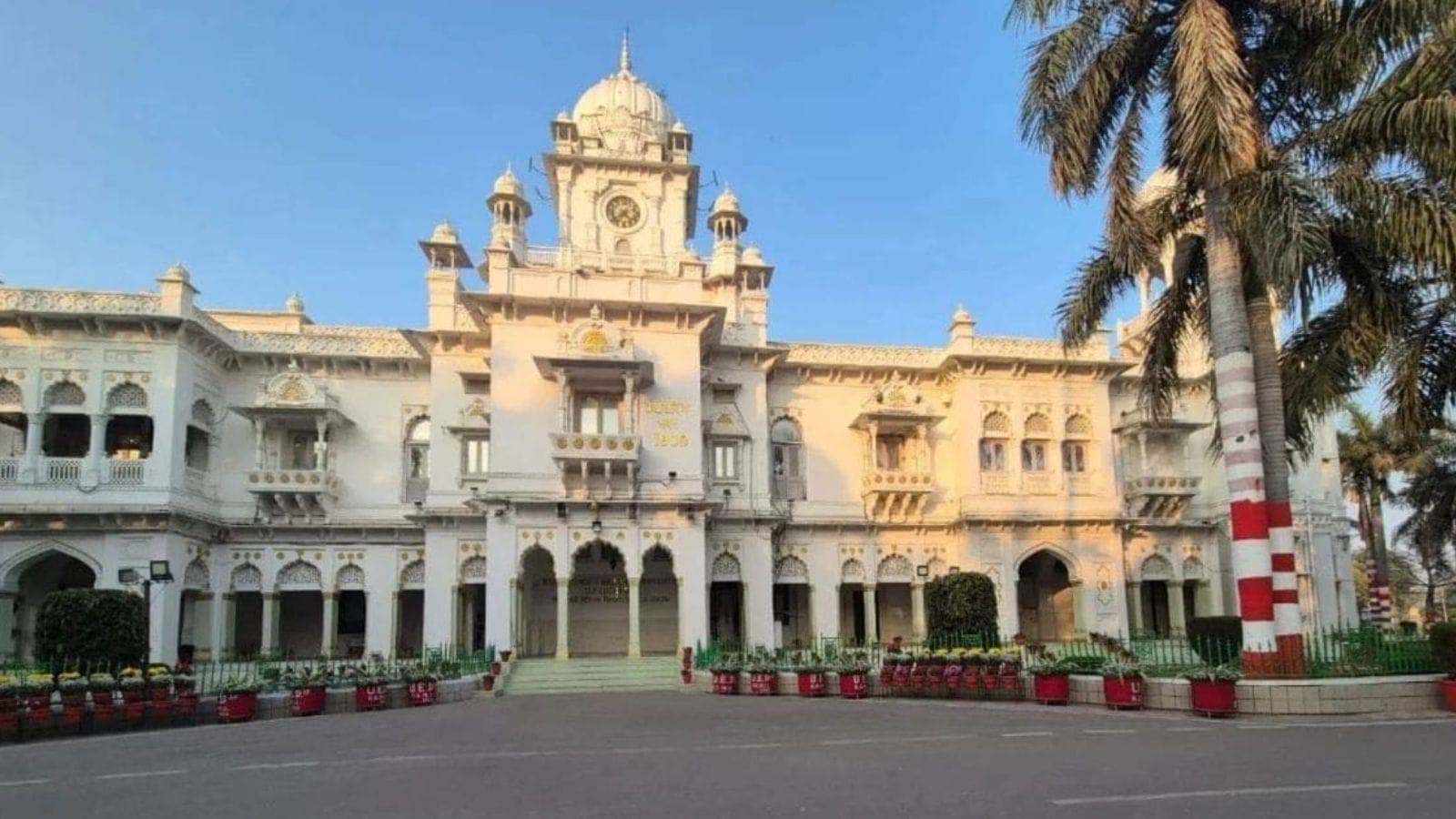
All state universities and higher educational institutions across Uttar Pradesh have been directed to set up anti-radicalisation units by the Uttar Pradesh Governor Secretariat to curb any attempts
All state universities and higher educational institutions across Uttar Pradesh have been directed to set up ‘anti-radicalisation’ units by the Uttar Pradesh Governor Secretariat to curb any attempts of “forced religious conversion” on campuses.
In December last year, the King George Medical University (KGMU) in Lucknow was rocked by claims that a “love jihad” network was running from its campus. A junior resident doctor had been arrested for alleged forced conversion and sexual exploitation.
In a letter dated May 29, sent by the office of the Governor-cum-Chancellor to vice-chancellors and directors of state universities and institutions, universities have been asked to immediately implement preventive measures aimed at curbing such cases.
The letter, issued by Dr Sudhir M Bobde, Special Executive Officer to the Chancellor, states that reports of attempts to convert students through inducements or psychological pressure are being received frequently. It said educational institutions must remain vigilant to ensure a “safe, religion-neutral and academic environment” and adopt strategies to eliminate such attempts.
The letter also states, “At the university and institutional level, ‘Anti-Radicalisation’ units or Student Welfare Cells should be made highly active”.
The communication emphasises that higher educational institutions are not only centres of learning and innovation but also play a crucial role in the moral, intellectual and social development of youth. It adds that any effort to influence students through fear, mental pressure or unethical inducements for religious conversion is “unacceptable, unethical and against the law”.
The communication, a copy of which is with The Indian Express, added, “Any kind of illegal or forced religious conversion attempt carried out by influencing students, instilling fear, creating mental pressure or offering unethical inducements is completely unacceptable, unethical and contrary to law.”
Among the measures outlined, universities have been directed to include discussions on the issue during mentor-mentee sessions and sensitise students about the subject.
Institutions have also been asked to use PTA meetings and informal interactions to keep track of students’ mental well-being and concerns.
The Governor Secretariat has further instructed institutions to establish counselling centres where students facing mental pressure, inducement or suspicious approaches can confidentially report concerns.
Hostels and other sensitive locations on campuses are to be placed under stricter surveillance, with universities directed to prohibit entry of unauthorised outsiders and conduct surprise inspections periodically.
The letter also calls for organising lectures and seminars on moral values, logical thinking and legal rights, while directing universities to immediately inform local administration and police if any organisation, group or individual is found engaging in suspicious activities linked to conversion attempts. Such cases, it said, should attract action under the state’s anti-conversion laws.
The directive comes as the Yogi Adityanath government has repeatedly highlighted alleged religious conversion as a law-and-order concern and has strengthened the Uttar Pradesh Prohibition of Unlawful Conversion of Religion Act in recent years. The latest communication places universities at the centre of efforts to detect and prevent such activities among students.
Speaking to The Indian Express, a senior faculty member at KGMU said, “We have received the directions from the Governor House. While we had already formed a cell to check any complaints of conversion, we would strengthen it further.”
He said following last year’s incident, a cell was formed, which led them to identify two instances of such forced conversion on campus, out of which one was a non-medico individual trying to act as a doctor and convincing girl students to join him in medical camps.
“A case was registered in both these incidents and arrests have been made by the police,” he said.
Maulshree Seth is an Assistant Editor with The Indian Express, based in Lucknow. With over 15 years of experience in mainstream journalism, she has built a formidable reputation for her on-ground reporting across Uttar Pradesh. Her expertise spans a wide array of critical beats, including state politics, governance, the judiciary, and rural development. Authoritativeness Maulshree’s work is characterized by depth and historical context. Her coverage of high-stakes state elections and landmark judicial rulings has established her as an authoritative voice on the intersection of law and politics in Northern India. She is frequently recognized for her ability to gain access to primary sources and for her nuanced understanding of the socio-economic factors that drive the world's most populous sub-national entity. Trustworthiness & Ethical Journalism Her reporting is rooted in rigorous fact-checking and a steadfast dedication to neutral, unbiased storytelling. By prioritizing field-based verification—often traveling to the most remote corners of the state—she ensures that her readers receive a truthful and comprehensive view of events. ... Read More