Marjane Satrapi A Girl Who Thought A Girl Who Resisted
Indian Express
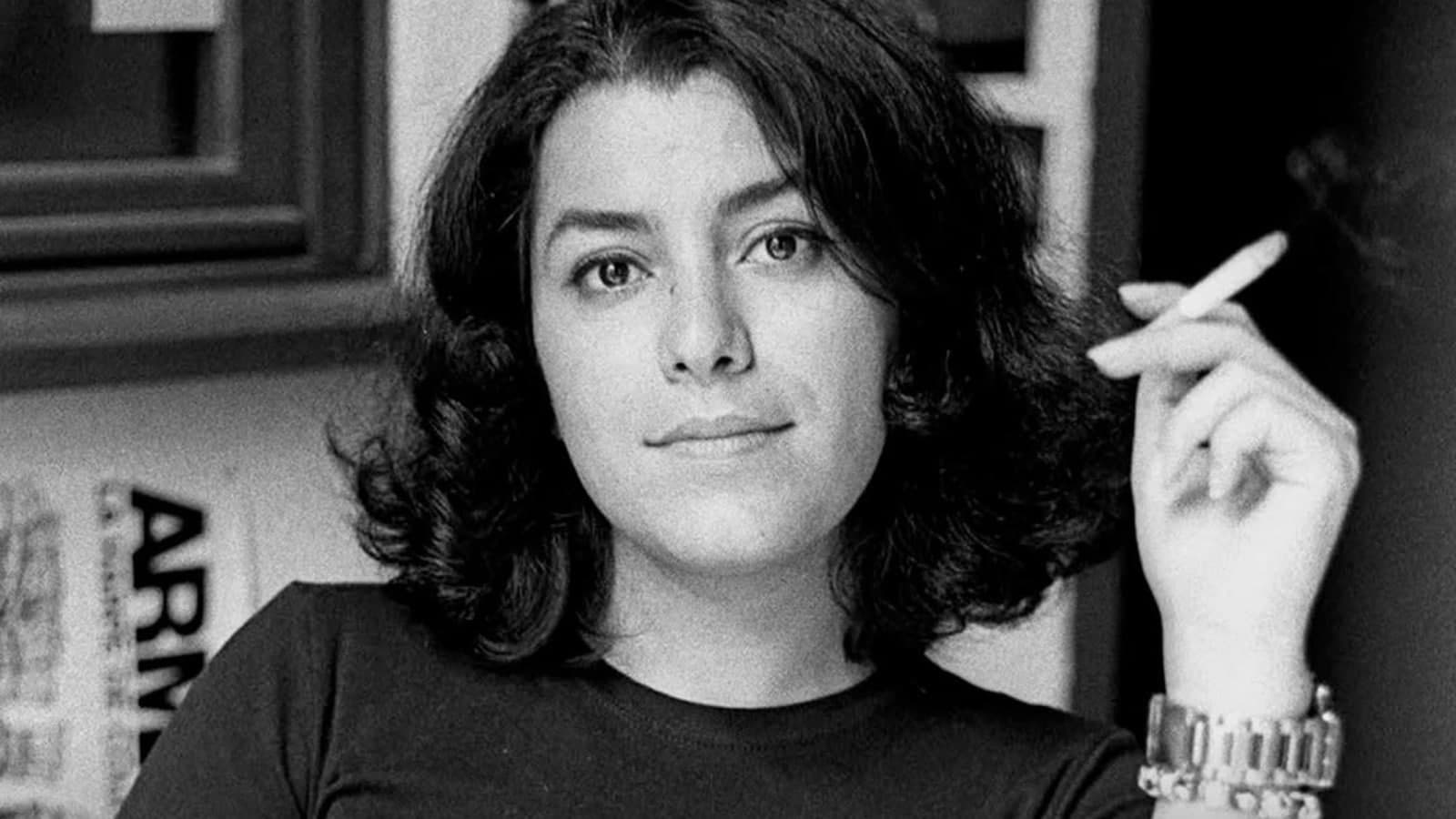
Marjane Satrapi, the Iranian-French graphic novelist and filmmaker who passed away on June 3, drew the world s most dangerous girl in her acclaimed memoir, Persepolis (2000): Someone opinionated and
Marjane Satrapi, the Iranian-French graphic novelist and filmmaker who passed away on June 3, drew the world’s most dangerous girl in her acclaimed memoir, Persepolis (2000): Someone opinionated and outspoken, who refused to turn a blind eye to injustice and fall in line, even when her life and safety depended on it.
Marji rebelled in the little ways she could. She wore pink sneakers and nail polish, had her parents smuggle Kim Wilde and Iron Maiden posters, bought cassettes on the black market, and sneaked out of school for burgers. When she defied teachers and refuted state propaganda in class, her parents sent her to Austria. Later, living in France, she created Persepolis to tell the West about the lived reality of Iranians, a complex nation reduced in the Western imagination to “fundamentalism, fanaticism, and terrorism”.
A girl who thinks is a girl who resists, and so repressive regimes have always been wary of them. Marji is not an anomaly or a fictionalised character. There are many more women in her tribe.
Is it any surprise that those in power fear girls who think? The machinery is the same across repressive regimes: Dismiss them, deny them education, and recruit the morality police to monitor them. May the tribe of Marji, Malala and Greta grow.
The writer is deputy copy editor, The Indian Express. aishwarya.khosla@indianexpress.com
Aishwarya Khosla is a senior editorial figure at The Indian Express, where she spearheads the digita... Read More