Bitesized Cruelties Charles Assisi On What We Re Getting Most Wrong At Restaurants
Hindustan Times
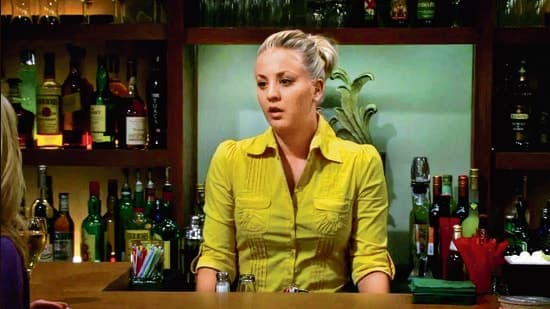
A friend of many years invited me to lunch at one of Mumbai s finest restaurants. The meal was excellent
A friend of many years invited me to lunch at one of Mumbai’s finest restaurants. The meal was excellent. The conversation wandered from work to family to mutual friends. It was one of those unhurried afternoons where nobody looked at their phone.
As we rose to leave, the young man who had looked after our table stood nearby. He had done everything one expects of a good server: remembered who ordered what, never left our water glasses empty for long, met requests before they became reminders.
After our meal, my friend walked past him without a word. He didn’t say “thank you” or even nod of acknowledgement. He left no tip. Now that he had no use for him, he treated the man as if he didn’t exist.
The incident called to mind another friend, Shashikant Shetty, who has worked for decades in the hospitality industry. He trained in hotel management, worked at five-star hotels, started restaurants of his own, and has represented the industry at various forums.
He says “please” every time he talks to a server; and “thank you”. He smiles at the people serving him, and tips generously.
“The practical answer to why,” he once laughed, “is that you had better be nice to people handling your food.” Then he became serious. He talked about what it was like to be the young man in the uniform. The hours were long. The pay was meagre. The work was gruelling and could be demeaning.
Customers expected him to smile through unreasonable demands, laugh at jokes that weren’t funny, and remain polite to people who believed paying for a meal entitled them to forget their manners. This went on for 10 to 12 hours a day.
“What I remember when I look back isn’t the rich guests. I remember the kind ones,” he said, Then he said something with hurt in his voice. “Most of us Indians don’t want service. We want servants.”
One sees this in the finger that summons a waiter from across the room, the voice that grows harsher with a security guard, the receptionist interrupted mid-sentence and the driver spoken to as though he is incapable of thought. We do not have a culture of dignity of labour, so instead we default to hierarchies of power, status (and sometimes caste).
We are courteous to people who have authority over us. We are polite to clients, senior colleagues, and officials behind government counters. But place someone in a position where they cannot afford to respond in kind, and courtesy suddenly becomes optional.
Many foreign guests, Shashikant says, routinely thank staff, make eye contact and treat service as a profession rather than a social rank.
His generosity follows the same logic. He tips restaurant staff, valets and taxi drivers as a way of recognising their service and their humanity, because he remembers what it was like to be in a similar position.
We disagreed about one thing. I habitually tip riders on platforms such as Swiggy, Zomato and Zepto, but he argues that digital platforms have already built the cost of delivery into what customers pay. Unless the circumstances are unusual, such as heavy rain or an exceptionally long trip, the transaction has already compensated the rider. Restaurant staff, he believes, live in a different economic reality.
We never resolved that argument. What interested me wasn’t who was right. It was that he had thought it through. His kindness wasn’t performative. It grew out of a sense of fairness and decency, as well as memory and experience.
“I don’t expect people to go out of their way to be nice,” was how he put it. “Just be human.”
That struck me because the smallest tests of character are rarely found in life’s grand moments. They happen in encounters that last less than a minute: a waiter who has made a mistake, a valet returning a car, a receptionist answering a question.
These are relationships in which power is, briefly, vastly unequal. Which is why they reveal so much about us.
Whether to tip is ultimately a personal choice. Looking another human being in the eye, thanking them and acknowledging their humanity, should not be.
(Charles Assisi is co-founder of Founding Fuel. He can be reached on assisi@foundingfuel.com. The views expressed are personal)