Oncologist Gives Cow Urine Minus 10 For Cancer Rates Giloy Turmeric Green Tea And Other Viral Remedies Out Of 10
Hindustan Times
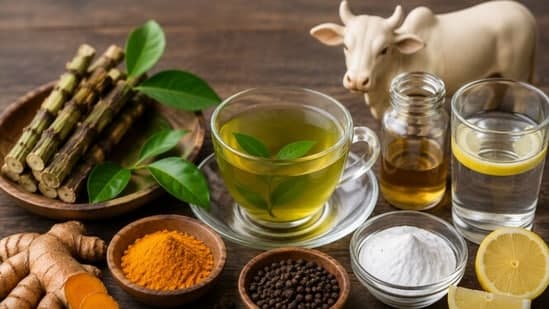
The doctor gave Giloy a 2/10, addressing the popular claim that it stimulates T cells and macrophages, key components of the immune system.
According to the surgical oncologist, while some animal (rodent) studies have suggested immune-modulating effects, there is currently no convincing evidence in humans that Giloy has anti-cancer benefits. The doctor also pointed to reports linking Giloy consumption with liver injury, advising people to consume it in moderation rather than assuming it is harmless.
Green tea received the highest score among the remedies discussed, earning 6/10. The doctor explained that green tea contains epigallocatechin gallate (EGCG), a compound that has shown promise in laboratory research by inhibiting the growth of blood vessels that feed tumours and affecting telomerase, an enzyme involved in cancer cell survival.
However, most of these findings come from lab and preclinical studies, and drinking ordinary amounts of green tea has not been proven to prevent or treat cancer in humans. The doctor added that consuming more than five cups a day may be required to achieve antioxidant levels studied in research, which is one reason the remedy did not receive a higher rating.
The surgical oncologist was particularly critical of cow urine, giving it a minus 10 out of 10. The doctor said that patients sometimes delay proven cancer treatments while relying on such remedies, which can reduce the chances of successful treatment. The claim that cow urine can cure cancer is not supported by scientific evidence.
Similarly, lemon with baking soda received 0/10. Addressing the popular belief that it makes the body's environment alkaline and therefore unsuitable for cancer cells, the doctor dismissed the claim, explaining that the human body tightly regulates blood pH within a narrow range. Significant changes in blood pH are a medical emergency and do not occur simply by consuming alkaline foods or drinks.
The doctor rated turmeric with black pepper 4/10. Curcumin, the active compound in turmeric, has shown anti-cancer potential in laboratory studies, and black pepper contains piperine, which may improve curcumin absorption. However, the surgical oncologist noted that human studies have not established turmeric as an effective cancer treatment or prevention strategy, which is why the remedy received a relatively modest score.
The doctor concluded by reminding viewers that while certain foods and plant compounds continue to be studied for their potential health benefits, none of these remedies should be considered a cure for cancer or used as a substitute for timely medical evaluation and evidence-based treatment.
Note to readers: This article is for informational purposes only and not a substitute for professional medical advice. Always seek the advice of your doctor with any questions about a medical condition.
This report is based on user-generated content from social media. HT.com has not independently verified the claims and does not endorse them.
Akanksha Agnihotri is a lifestyle journalist with over 3 years of experience. She is a psychology graduate and holds a postgraduate diploma in Radio and Television Journalism from the Indian Institute of Mass Communication, Delhi, where she graduated as a gold medalist. Originally from Bhopal, the beautiful capital of Madhya Pradesh, she draws inspiration from the city’s rich cultural heritage and layered storytelling traditions that subtly shape her narrative voice. She writes extensively about fashion, beauty, health, relationships, culture, and food, exploring everything from trending styles and runway moments to wellness routines and mindful living. Passionate about meaningful and candid conversations, she enjoys interviewing celebrities, doctors, designers, and film personalities, diving into discussions on fitness, beauty, mental health, and everything fun in between. With a keen eye for trends and a thoughtful understanding of human behaviour, she brings depth, sensitivity, and authenticity to her stories, ensuring they resonate with a wide and diverse audience. When she’s not working, you’ll usually find her lost in a book, planning her next mountain trek, or mapping out spontaneous travel escapes. She loves discovering new authors, revisiting old favourites, and spending quiet afternoons in museums soaking in art, history, and culture. An avid bird-watching enthusiast, she finds joy in early morning walks, spotting rare birds, and reconnecting with nature. Whether sipping coffee while journaling her thoughts or exploring hidden corners of a new city, she constantly seeks inspiration in everyday moments that often turn into compelling story ideas.Read More